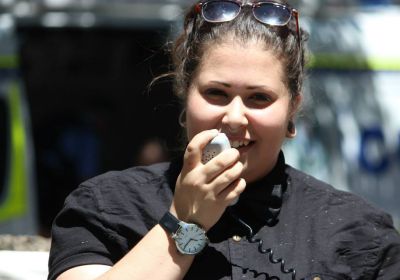
Protesters gathered outside SBS’ Artarmon office on April 27 to urge the multicultural broadcaster to boycott Eurovision 2019, which will be held in Israel.
Protesters gathered outside SBS’ Artarmon office on April 27 to urge the multicultural broadcaster to boycott Eurovision 2019, which will be held in Israel.
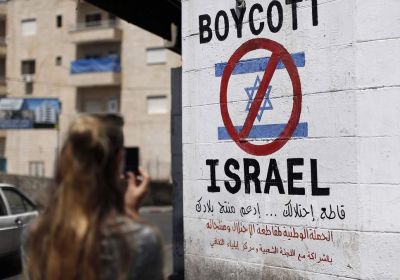
There is plenty of evidence that the boycott, divestment and sanctions (BDS) campaign targeting Israel, initiated by dozens of Palestinian civil society groups in 2005 in protest against Israel’s apartheid policies, is frightening the Israeli state, writes Lisa Gleeson.
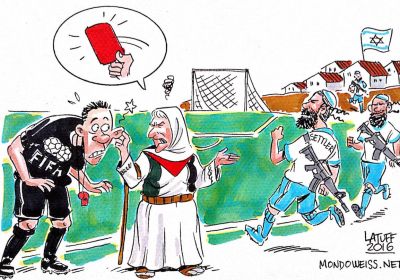
The situation for Palestinian and Arab football (soccer) players in Israel, the West Bank and Gaza has, for some time, been dire.
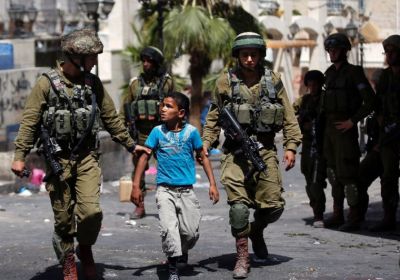
On one side of Israel’s Apartheid Wall, within the formal borders of Israel, segregated youth teams, racist abuse, and heckling — including charming chants such as “Death to the Arabs” — are frequent. On the other, in the Palestinian territories occupied by Israel since 1967, checkpoint detention, jailings, and the bombing of stadiums have become regular features of what is supposed to be the people’s game.
Given the powerful role that football plays as a point of community cohesion in the West Bank and Gaza, this everyday violence feels like a full-frontal attack on civil society, normalcy and hope.
 Justice for Palestine Brisbane activists branded former Queensland premier Peter Beattie a hypocrite on July 27 as they crashed a lunch at the Hilton Hotel at which he was the keynote speaker.
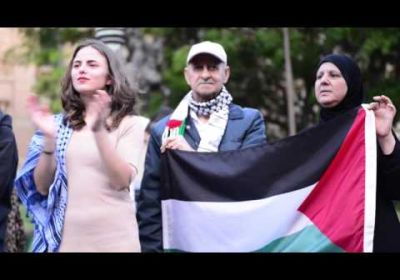
The Coalition Against Israeli Apartheid held a speak-out for Palestine in Melbourne on October 23. Among the demands were: end Israeli occupation now; dismantle Israeli apartheid; tear down the apartheid wall; lift the siege on Gaza; and end extrajudicial killings.