
Reza Shahabi and Saeed Torabian, two executive committee members of the Trade Union of the Tehran and Suburbs Vahed Bus Company, have been arrested and are held at unknown locations.
Shahabi, treasurer of the union, was arrested on June 12 as he clocked in at work. Four security agents then took him to his home. After a search, they confiscated his computer. Torabian, the union’s public relations officer, was arrested at his home in Tehran on June 9.
Security agents also tried to arrest union member Habib Rezapoor but he was not at home.
-
-
Multinational oil companies in Nigeria spill more oil every year than has been spilled by BP in the Gulf of Mexico. Unlike the gulf disaster, most people are unaware of this ecological crime. There have been major spills in Nigeria since BP’s Deepwater Horizon rig exploded on April 20, but they have received hardly any attention from the international media. A May 12 explosion at a Shell installation turned 39 hectares of the Niger Delta into an oil slick, BBC News said on June 15. Two weeks earlier, an Exxon Mobil oil pipeline ruptured. It spewed a million litres a day for a week.
-
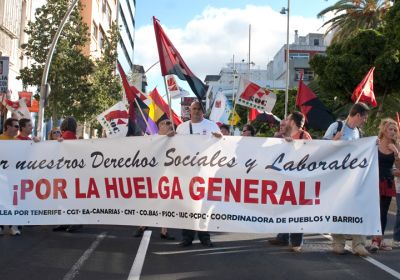 Two million Spanish workers participated in a public sector strike on June 8. A general strike in the Basque country has been called for June 29. Spanish unions have called a nationwide general strike for September 29 and the European Trade Union Confederation is currently attempting to organise a Europe-wide general strike to coincide with it.
 -
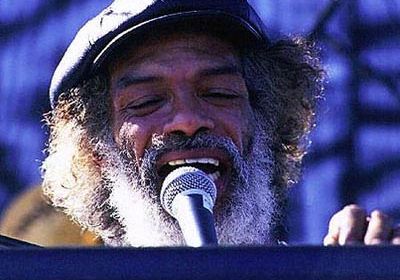 Israel stands increasingly isolated following its attack on the peace flotilla, in which nine Turkish activists on board the Mavi Marmara were murdered and many more wounded. The attack on the flotilla, like the siege of Gaza, is aimed at demoralising Palestinians and their supporters. But the global pressure was enough to force Israel to announce a token relaxation of the blockade of the 1.5 million people crammed into the tiny coastal strip.
 -
Ethnic violence against the Uzbek minority in the southern Kyrgyz cities of Jalalabad and Osh has created more than 400,000 refugees and internally displaced people. The official death toll is more than 200, but Kyrgyz President Roza Otunbayeva told the June 16 Washington Post that the real figure may be 10 times higher. Otunbayeva came to power in a mass uprising in April against former president Kurmanbek Bakiyev, who himself came to power through extra-parliamentary means in 2005. Before Bakiyev fled, his security forces killed 75 protesters.
-
On June 15, something amazing happened: British Prime Minister David Cameron apologised for the British army shooting Irish people. “It was wrong”, said Cameron, after a government inquiry found the British army was responsible for the killing of 14 unarmed civil rights demonstrators, seven of them teenagers, in the 1972 Bloody Sunday massacre in Derry. On January 30, 1972, up to 30,000 people marched in Derry, in the six Irish counties occupied by Britain, to demand an end to internment, a policy that allowed for the jailing of people without trial.
-
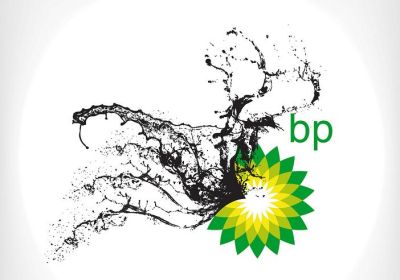 British Petroleum (BP) has admitted it may not stop the Deepwater Horizon oil spill in the Gulf of Mexico until August — at the earliest. But despite the catastrophe, the US government’s Minerals Management Service (MMS) has given BP new leases for deepwater drilling. The MMS has rubber-stamped 198 new deepwater drilling leases in the gulf since the BP spill began on April 20. It awarded BP 13 of these.
 -

The murder of international peace activists on the Gaza flotilla by Israeli commandos marks a turning point in the international standing of the state of Israel.
-
Many Australian football fans left Durban’s Moses Mabhida Stadium early on June 13 following Australia’s particularly dismal four-nil loss against Germany. Had they remained they would have witnessed scenes more dramatic than any that had unfolded on the field, when police violently attacked 500 stewards striking over a pay dispute.
-
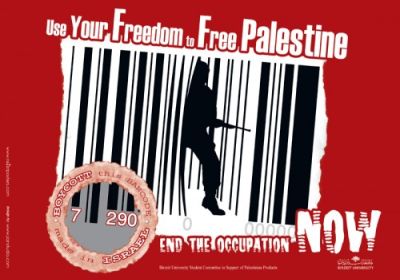
The Secretariat of the World Federation of Trade Unions has today decided to call a strike for three days at all ports of the world against Israel commercial vessels to or from Israel.
-
Following Israel’s May 31 kidnapping of six ships in the Freedom Flotilla bring humanitarian aid to Gaza, the Irish ship, MV Rachel Corrie, continued its path towards Gaza. The ship, named after a US activist killed by an Israeli bulldozer in 2003, was carrying building materials, 20 tonnes of paper and other supplies Israel refuses to allow into the Gaza Strip, FreeGaza.org said on June 4.
-
Venezuela foreign minister Nicolas Maduro said on June 2 that Venezuela’s announced cancelling of Haiti's debt of US$395 million with Petrocaribe was now official. Petrocaribe is a program under which the Venezuelan government offers discounted oil, to be paid back over long-term low-interest loans, to Caribbean and Central American nations. Maduro made the announcement after the World Summit on the Future of Haiti. The summit was held in the Dominican Republic with the participation of representatives from 50 countries.