
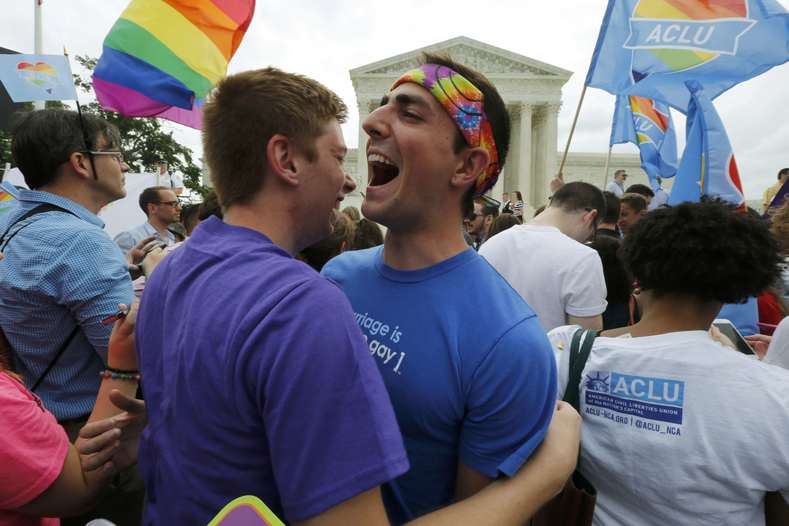
 The U.S. Supreme Court ruled on June 26 that same-sex couples had the right to marry under the Constitution. Same-sex marriage will now be legalised in all 50 states.
-
The U.S. Supreme Court ruled on June 26 that same-sex couples had the right to marry under the Constitution. Same-sex marriage will now be legalised in all 50 states.
-
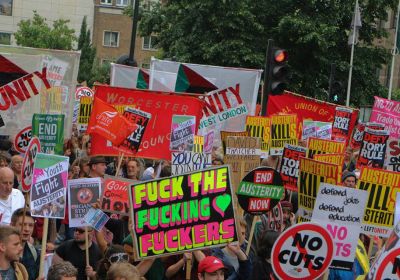
More than 200,000 people marched through central London on June 20 as people came from across the country to show their anger and opposition to further spending cuts.
-
The mass murder of nine African Americans in Charleston, South Carolina, by a white racist on June 17 has been widely denounced. But to understand this hate crime — a terrorist attack — it has to be put into the broader political context.
-
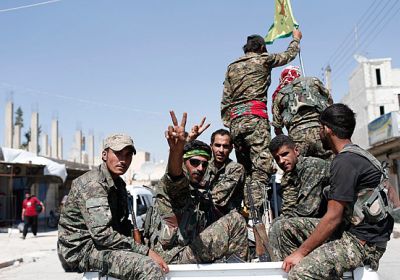 The Kurdish town of Kobane in northern Syria was attacked on June 25 by forces from the self-styled Islamic State (IS) terrorist group, which crossed from Turkey. This was the first significant IS attack on the town since a five-month siege was repulsed in January. The attack appears to be a Turkish-backed response to recent military gains made by the Kurdish-led forces of the Women's Defence Units (YPJ) and People's Defence Units (YPG).
 -
 Greek Prime Minister Alexis Tsipras announced on June 26 that a referendum will be called over the bailout deal being proposed for the country by Greece's creditors. The deal is pushed by the "Troika" of the European Union, International Monetary Fund and European Central Bank. Tsipras called an urgent cabinet meeting earlier that day, and later announced to the press plans for the a referendum on July 5. Citizens will be asked “yes” or “no” to creditors’ proposals. Tsipras has asked the Greek ministerial council to call the referendum.
 -
 Regional elections held in Spain on May 24 installed an historic pro-Basque state government in the Basque autonomous community of Navarre for the first time. It ended 16 years of rule by the pro-Spanish, centre-right Navarrese People's Union (UPN). The UPN won only 15 seats, down four from 2011. Its ally, the right-wing Spanish People’s Party (of Spanish Prime Minister Mariano Rajoy), won two, half of its quota in 2011.
 -
 Turkish-backed terrorists have massacred civilians in Kobanê. Photo: Kurdish Resistance & Liberation/Facebook.
-

After weeks of often-violent right-wing protests over proposed tax changes that would affect only a very small minority of affluent Ecuadorians, more than 15,000 leaders from Ecuador’s rural governments held an extraordinary assembly on June 25 in support of the government.
-
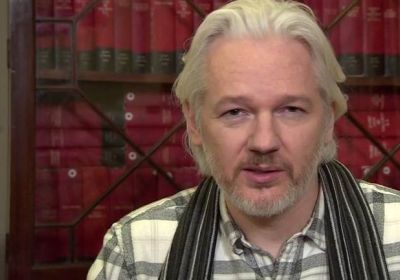 Julian Assange, founder and editor, of WikiLeaks had been a refugee in the Ecuadorian Embassy in London for three years as of June 19. The key issue in his extraordinary incarceration is justice. He has been charged with no crime. The first Swedish prosecutor dismissed the misconduct allegations regarding two women in Stockholm in 2010. The second Swedish prosecutor's actions were and are demonstrably political. Until recently, she refused to come to London to interview Assange - then she said she was coming. Then she cancelled her appointment.
 -
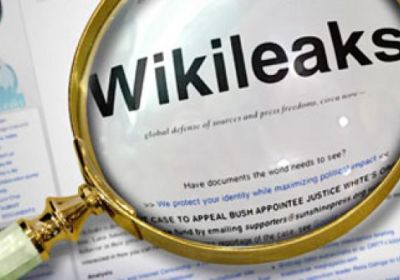 WikiLeaks chose the the third anniversary of its founder’s stay in the Ecuadorian Embassy in London on June 19 to release thousands of cables about Saudi Arabia. Among the revelations contained in the files, believed to have been leaked by a group calling itself the Yemen Cyber Army, are details about the country’s focus on its strategic rival, Iran, and the revolution in Egypt.
 -
 French president Francois Hollande called for an emergency meeting with his defence council on June 24, after WikiLeaks released documents showing the United States has been spying on all France's presidents since 2006. “The French people have a right to know that their elected government is subject to hostile surveillance from a supposed ally,” said WikiLeaks founder Julian Assange.
 -
More than 5000 people rallied in Brussels on June 21.