

An email by a former leading climate scientist at oil giant Exxon Mobil suggested the company knew about the risks fossil fuels posed for climate change back in 1981. Yet the company instead spent millions on supporting climate change deniers.
“Exxon first got interested in climate change in 1981 because it was seeking to develop the Natuna gas field off Indonesia,” Lenny Bernstein, a 30-year industry veteran and Exxon’s former in-house climate expert, wrote in the email. “This is an immense reserve of natural gas, but it is 70 percent CO2.”
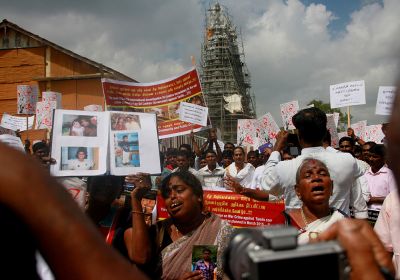
 Up to 10,000 people attended the March for Jobs, Justice, and the Climate in Toronto on July 5, climate action group 350.org said.
The mass march came ahead of the Climate Summit of Americas, held in the city over July 7-9.
Up to 10,000 people attended the March for Jobs, Justice, and the Climate in Toronto on July 5, climate action group 350.org said.
The mass march came ahead of the Climate Summit of Americas, held in the city over July 7-9.
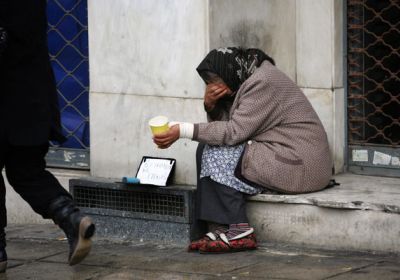
 Supports of the 'no' vote celebrate in Athens on the night of July 5.
Leaders of Latin American left-wing governments have congratulated the Greek government and its people after Greece's historic July 5 referendum. Voters rejected debt austerity proposals by Greece's European lenders.
Venezuelan President Nicolas Maduro said: “The ‘no’ vote in Greece is a victory against the financial terrorism carried out by the International Monetary Fund (IMF).”
Supports of the 'no' vote celebrate in Athens on the night of July 5.
Leaders of Latin American left-wing governments have congratulated the Greek government and its people after Greece's historic July 5 referendum. Voters rejected debt austerity proposals by Greece's European lenders.
Venezuelan President Nicolas Maduro said: “The ‘no’ vote in Greece is a victory against the financial terrorism carried out by the International Monetary Fund (IMF).”

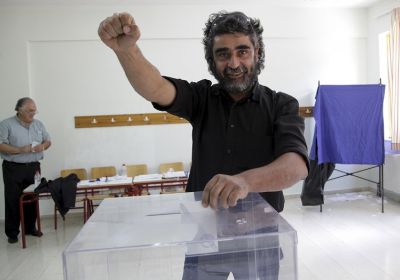

 Cuba is a world leader in healthcare. Photo: socialmedicine.org.
Cuba became the first country in the world to be recognised by the World Health Organization (WHO) for officially eliminating mother-to-child transmission of HIV and syphilis on June 30.
“This is a major victory in our long fight against HIV and sexually transmitted infections, and an important step towards having an AIDS-free generation” said Margaret Chan, WHO Director-General.
Cuba is a world leader in healthcare. Photo: socialmedicine.org.
Cuba became the first country in the world to be recognised by the World Health Organization (WHO) for officially eliminating mother-to-child transmission of HIV and syphilis on June 30.
“This is a major victory in our long fight against HIV and sexually transmitted infections, and an important step towards having an AIDS-free generation” said Margaret Chan, WHO Director-General.