Australia managed its way through the Global Financial Crisis (GFC) in better shape than most countries, mostly due to two factors.
The first was $83 billion in Australian government stimulus spending, the third largest in the world as a percentage of GDP, behind the US and South Korea.
The second was resilient demand for iron ore and coal exports to China which came from an initial US$4 trillion in Chinese stimulus spending organised through the country’s banks.
 Venezuela's president, Nicolas Maduro, speaks to the National Assembly in Caracas about the Guyana border dispute. Photo: AVN.
Venezuelan President Nicolas Maduro says the giant oil company Exxon-Mobil and other oil lobbies have been working to undermine his nation's relations with the Caribbean, especially neighbouring Guyana.
Venezuela's president, Nicolas Maduro, speaks to the National Assembly in Caracas about the Guyana border dispute. Photo: AVN.
Venezuelan President Nicolas Maduro says the giant oil company Exxon-Mobil and other oil lobbies have been working to undermine his nation's relations with the Caribbean, especially neighbouring Guyana.
 Up to 10,000 people attended the March for Jobs, Justice, and the Climate in Toronto on July 5, climate action group 350.org said.
The mass march came ahead of the Climate Summit of Americas, held in the city over July 7-9.
Up to 10,000 people attended the March for Jobs, Justice, and the Climate in Toronto on July 5, climate action group 350.org said.
The mass march came ahead of the Climate Summit of Americas, held in the city over July 7-9.
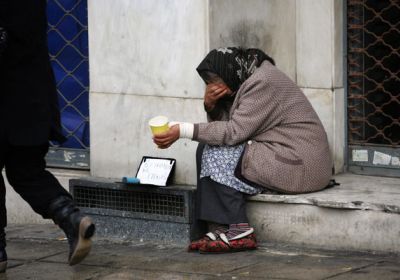
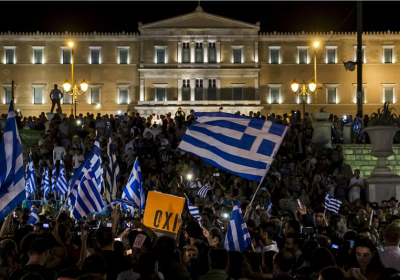
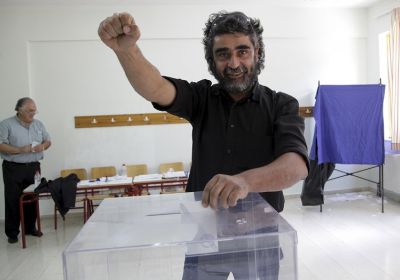
 Supports of the 'no' vote celebrate in Athens on the night of July 5.
Leaders of Latin American left-wing governments have congratulated the Greek government and its people after Greece's historic July 5 referendum. Voters rejected debt austerity proposals by Greece's European lenders.
Venezuelan President Nicolas Maduro said: “The ‘no’ vote in Greece is a victory against the financial terrorism carried out by the International Monetary Fund (IMF).”
Supports of the 'no' vote celebrate in Athens on the night of July 5.
Leaders of Latin American left-wing governments have congratulated the Greek government and its people after Greece's historic July 5 referendum. Voters rejected debt austerity proposals by Greece's European lenders.
Venezuelan President Nicolas Maduro said: “The ‘no’ vote in Greece is a victory against the financial terrorism carried out by the International Monetary Fund (IMF).”