-
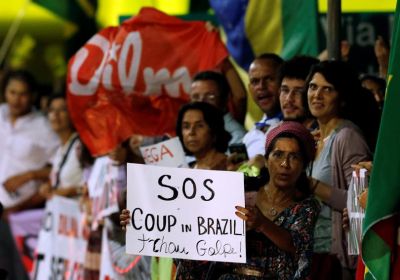
United States State Department spokesperson John Kirby said on August 31 that Brazil's democratic institutions had acted within the country's constitutional framework when the Senate voted to oust elected president Dilma Rousseff and install Michel Temer as the new leader. The US defence of the process that removed Brazil's elected president stands in contrast to many critics, including several Latin American governments, who have labelled it an institutional coup. -
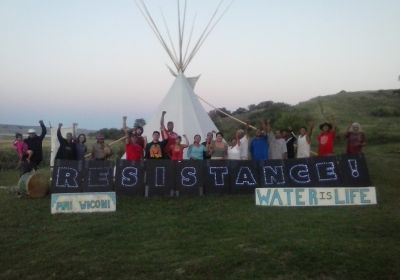
Growing in number and spirit, the Standing Rock Sioux protest against the Dakota Access Pipeline is swiftly gaining strength, as a federal hearing delayed a decision on the controversial project on August 24.
-
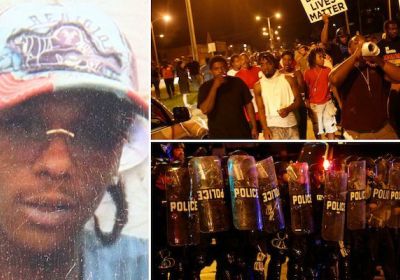
With the media awash 24/7 with the charges and counter-charges between the two candidates for president from the major capitalist parties, police murders of African Americans and protests against them continue apace — receiving only cursory media attention.
-
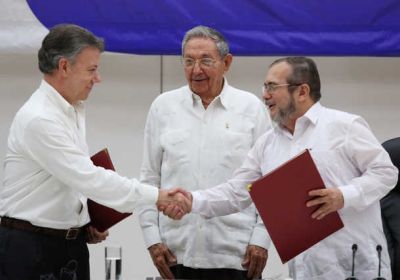
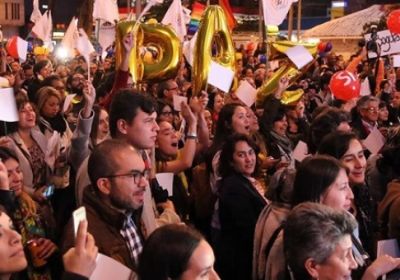
After the historic announcement on August 24 that negotiations have concluded in the Colombian peace process between the Colombian government and the left-wing Revolutionary Armed Forces of Colombia (FARC), here are the five key points that have been agreed on.
-
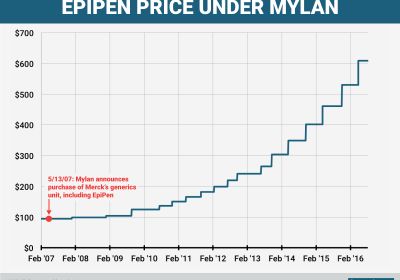
The CEO of a former Fortune 500 company, who is also the daughter of a U.S. senator, is under fire for jacking up the rates of life-saving anti-allergy device known as the EpiPen.
-
There are correlations between hydraulic fracturing, or fracking, and a range of health issues for Pennsylvania residents, according to a study released on August 25 by the Johns Hopkins University in Baltimore. The problems include nasal and sinus problems, migraines and fatigue The report, Environmental Health Perspectives, is the school’s third study over the span of the past year focusing on the adverse health effects of the controversial method for extracting gas from solid rock deposits, increasingly used in Pennsylvania. -
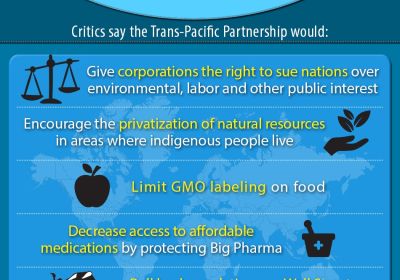
Nobel Prize-winning economist Joseph Stiglitz has reiterated his opposition to the Trans Pacific Partnership (TPP), saying on August 23 that United States President Barack Obama’s push to get the trade deal passed during the upcoming lame-duck session of Congress is “outrageous” and “absolutely wrong”. The TPP is a huge proposed trade deal involving 12 Pacific Rim nations, including Australia. It encompasses 40% of the world’s GDP. It was negotiated in secret, but draft chapters published by WikiLeaks confirmed anti-TPP campaigners’ worst fears of a huge power grab by corporations. -
On the surface, it seems the war against ISIS in Syria is going well. On August 12, the town of Manbij was taken by forces of the Manbij Military Council (MMC) and the Syrian Democratic Forces (SDF). Then on August 24, the nearby border town of Jarablus was occupied by Turkish tanks and troops. Turkish forces were joined by Syrian fighters claiming allegiance to Islamist and other groups affiliated with the Free Syrian Army (FSA). In both instances, the US provided air cover. However, there the similarities end. -
Coca-Cola, McDonald's, Visa and the rest of the corporate sponsors of the August 5–21 Olympic Games in Rio de Janeiro won't be paying any taxes on the money they earn due to a tax exemption law that is set to cost Brazil hundreds of millions of dollars.
-
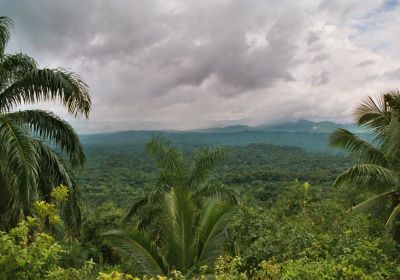
Forests in Cuba now make up 30.6% of the country’s land area, thanks to a reforestation initiative carried out by the socialist government, a new report has found.
-
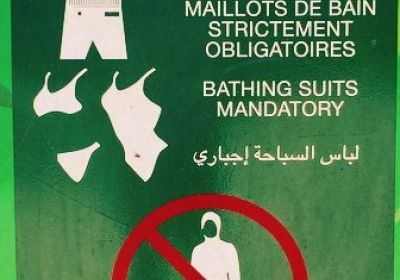
Since the announcement of an ordinance banning the wearing of burkinis on the beaches of the French Mediterranean city of Cannes in late July, France has been swept up in a new wave of Islamophobia. A further 17 municipalities have announced their own ordinances banning the burkini — the full-body swimsuit worn by some Islamic women. These bans have been endorsed not only by France’s far right, but by the Socialist Party Prime Minister Manuel Valls. -
A groundbreaking peace deal has been signed between the government and left-wing Revolutionary Armed forces of Colombia (FARC) rebels. But while the more than 50-year-long war is finally over, difficult times still lay ahead to fully realise the promise of peace in the South American nation.