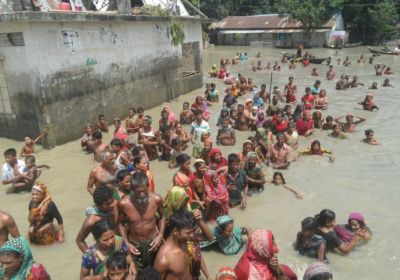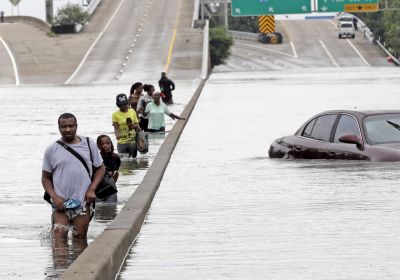
Now is exactly the time to talk about climate change and all the other systemic injustices — from racial profiling to economic austerity — that turn disasters like Harvey into human catastrophes.
Now is exactly the time to talk about climate change and all the other systemic injustices — from racial profiling to economic austerity — that turn disasters like Harvey into human catastrophes.
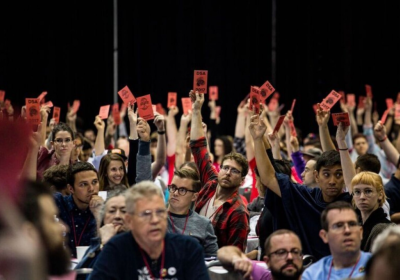
In his response to my August 1 (GLW #1148) piece on the strategy of US Senator Bernie Sanders, Danny Fairfax writes in GLW #1150 on why he thinks the Democratic Party can be reformed.
One error the comrade makes is his view of the primary system in the United States. He thinks it gives roughly the same chances for “grassroots movements to defeat entrenched [Democratic] party elites” as the structure of the Labour Party in Britain allowed Jeremy Corbyn’s rise to the leadership. It doesn’t.

Two articles and a video presentation looking at Russia's two revolutions in 1917, Marx and Engels on ecology and Lukacs' views on alienation and class consciousness
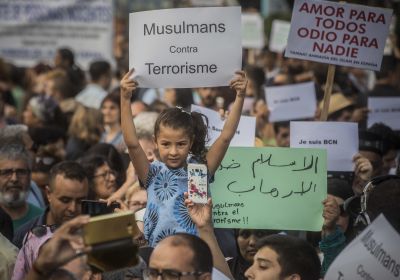
Thousands of Muslims voiced their rejection of jihadi extremism on August 21, marching through central Barcelona with banners reading “Terrorism has no religion”, Morning Star Online said.
It came in the wake of the August 17 terrorist attacks in Catalonia, which killed 13 and was claimed by Islamic State.
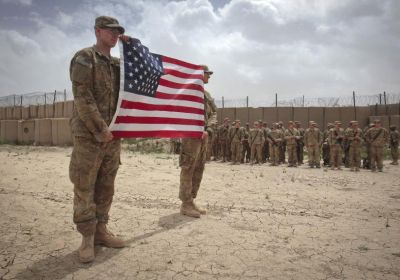
United States President Donald Trump announced that the US would continue the ongoing war in Afghanistan, which is already the longest war in US history, Democracy Now! reported on August 22.
The Pentagon is likely to deploy about 4000 more US troops to Afghanistan in the coming months. In recent months, the US has intensified its air war in Afghanistan. During June, the US carried out 389 airstrikes in Afghanistan — the highest monthly total in five years.
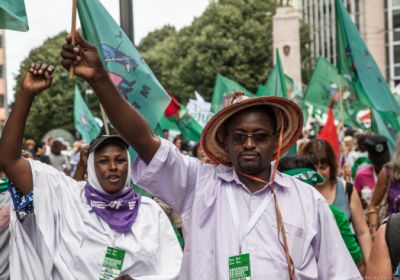
Peasants across Africa are intensifying their struggles against land grabs and other harmful policies that promote industrial agriculture. At a recent international conference organised by the world’s largest peasant movement, Via Campesina, African peasants had opportunities to share their experiences of struggle and to learn.
“It is amazing to see how linked our struggles are,” said Nicolette Cupido from the Agrarian Reform for Food Sovereignty Campaign (FSC) in South Africa.