-
-
-
-
-
-
-

Crop varieties have been selected and reproduced over thousands of years by farmers, creating great diversity. India, for example, used to have 200,000 varieties of rice. Seeds were kept each year for replanting and exchanging in what was a free or low-cost system for many farmers.
-
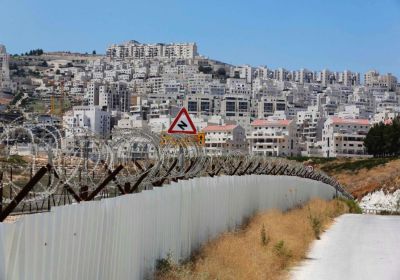
Israel’s fight against the global boycott, divestments and sanctions campaign (BDS) has taken another turn with its attempt to prevent the publication of a database of companies operating in its illegal West Bank settlements.
-
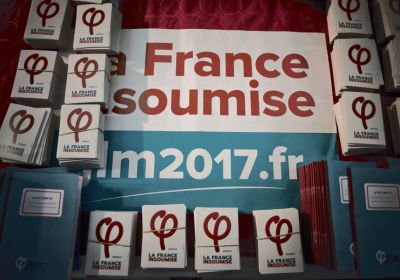
More than 1600 delegates gathered for the third annual conference of La France Insoumise, the radical left political project that has stormed onto the stage of French politics, over November 25-26 in the city of Clermont-Ferrand.
The group’s name defies a neat translation, often rendered as France Unbowed, Unsubmissive or Untamed. Only launched in February last year, the group is widely seen as the only real and effective opposition to President Emmanuel Macron. Founding spokesperson and former presidential candidate Jean-Luc Melenchon is recognised in opinion polls as the effective leader of the opposition.
-
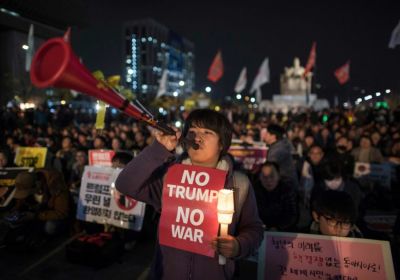
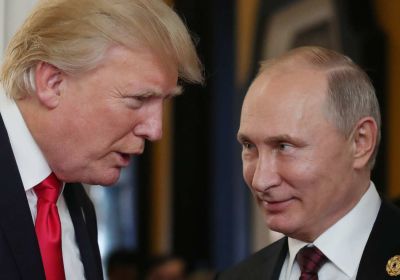
Will a verbal war between a senile dotard and a little rocket man result in an actual war? Probably not, but at the moment, the risk is unprecedented.
The reason it remains unlikely is simply because the consequences of any actions are so catastrophic. Right now, this is the only deterrent to war.
-
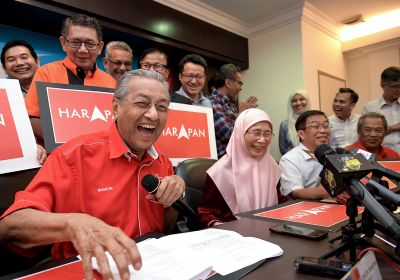
Riding the crest of a powerful Bersih (“clean”) democracy movement in the streets, Malaysia’s Pakatan Rakyat (People's Pact) opposition alliance won 53% of the popular vote in the 2013 general election. Gerrymandered electorates, however, ensured they took only 40% of the seats.
Yet as a new general election approaches, likely early next year, the incumbent Barisan Nasional (National Front, BN) government looks set to easily hold on the power.
-
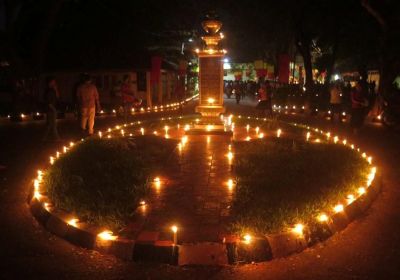
On November 27, known to Tamils as Heroes Day, those who died fighting for an independent Tamil homeland were commemorated at ceremonies throughout the north and east of Sri Lanka.
World
World