-
-
-
-
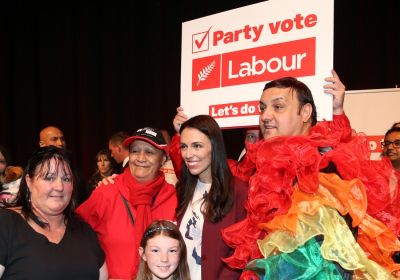
The Labour-led coalition government in New Zealand was formed in October after the welcome usurping of nine years of rule by the neoliberal National Party.
However, Labour was only able to form government with the help of two minor players — the populist, anti-immigration New Zealand First and the Greens.
-
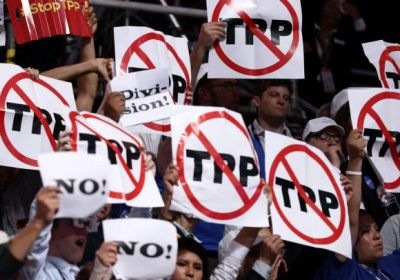
OK, it’s (almost) official. The zombie Trans-Pacific Partnership, widely criticised as a huge, undemocratic corporate power grab, has been restored to life
What’s the latest move and is it irreversible?
-

Afrin invasion: Turkey attacks northern Syria’s democratic revolution — with Russian and US approval
Three years after Kurdish-led forces liberated the northern Syrian city of Kobane from ISIS — after a months-long siege that captured the world’s imagination — the democratic, multi-ethnic and feminist revolution in Syria’s north is facing a new assault.
-

Mass protests have been taking place across Iran since December 28, 2017, despite heavy security and state repression.
The protests are against widespread poverty, the skyrocketing cost of living, vast official corruption and brutal political repression.
-
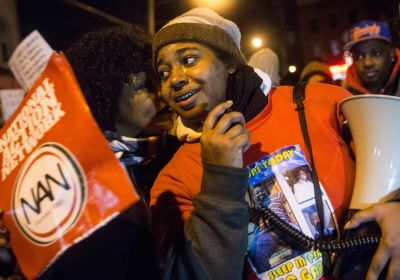
Erica Garner, Black Lives Matter activist and daughter of African American victim of police murder Eric Garner, died on December 30 aged 27.
The proximate cause of death was a heart attack, extremely rare in one so young. The underlying cause was the trauma-induced stress (PTSD) she and her family suffered because of Eric’s murder in 2014, the exoneration of the killer cops, and the callous way the Garner family was treated by city authorities, including Democratic Mayor Bill de Blasio.
-
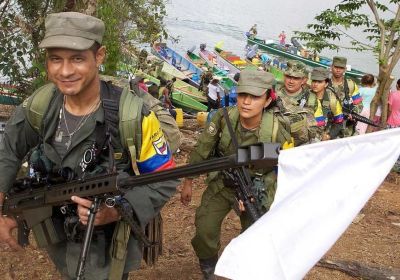
In November 2016, as the Colombian government and the Revolutionary Armed Forces of Colombia (FARC) met in Bogota’s Colon Theatre to sign an agreement – for the second time – to bring the country’s long-running armed conflict to an end, it was clear that peace-building in Colombia faced a myriad of challenges and obstacles.
-
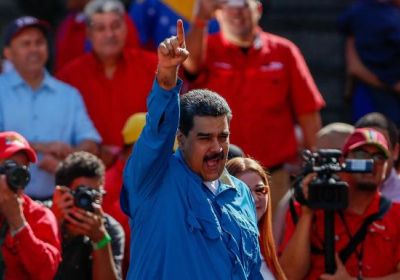
Venezuela’s National Constituent Assembly (ANC) has approved a proposal to hold presidential elections before April 30.
The move came a day after the European Union announced sanctions targeting seven Venezuelan senior state officials on January 22.
-
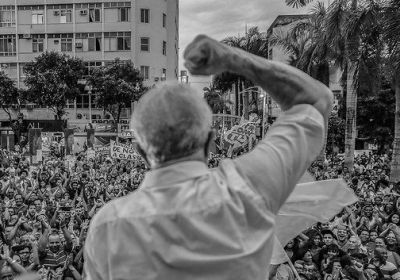
Brazilian professor and researcher Sabrina Fernandes discusses former president Luiz Inacio “Lula” da Silva’s January 24 corruption trial and the country’s forthcoming October presidential election.
-
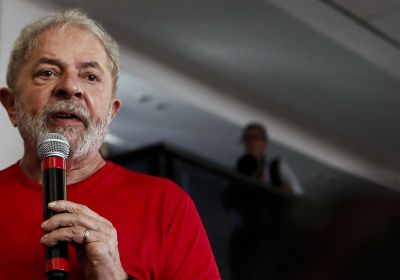
Former Brazilian president Luiz Inacio “Lula” da Silva has lost his appeal against 2017 corruption conviction last year in a major blow to his chances of regaining office.
The judgment was reached on January 24 after two of the three appeal court judges in the case voted to uphold the decision of a lower court. While Lula can still take his appeal to a higher court, the court's decision could rule him out of October's presidential election.
World
World