-
-
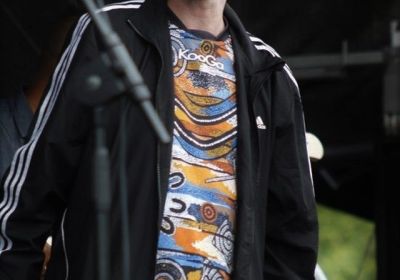
Mark Munk Ross is hip-hop guru Munkimuk — whose beats, rhythm, sense of humour and hard hitting themes have earned him the coveted title of “Grandfather of Indigenous hip hop”.
Mark has been working in a remote Aboriginal community at Brewarrina in north-western New South Wales, regenerating age-old fish traps that are the oldest known human-made structures, dating back farther than the pyramids of Egypt.
He spoke to Green Left Weekly about his recent projects.
-
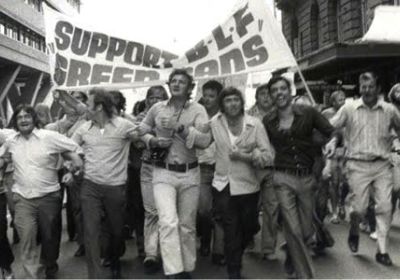
In the early 1970s, an unlikely alliance of builders labourers, environmentalists, residents and LGBTIQ activists united to support the Green (and Pink) bans which helped save huge swathes of Sydney, and other parts of New South Wales, from the wrecking ball.
-
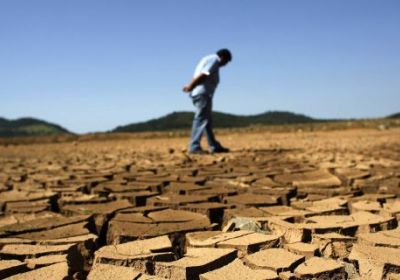
Four new books on climate change, neoliberalism and movement strategy for ecosocialists compiled by Ian Angus, the author of A Redder Shade of Green and editor of Climate and Capitalism.
-

-
-
-
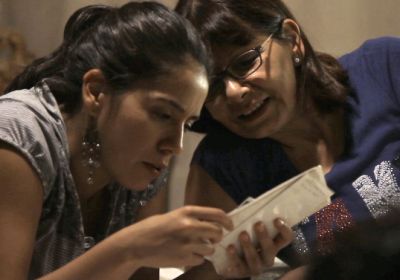
While Adriana’s Pact director Lissette Orozco reflects on the role her aunt, Adriana Rivas, played during the Augusto Pinochet dictatorship, Roberto Calzadilla's El Amparo focuses on one of a number of state-sponsored massacres of civilians that occurred during the 1980s in Venezuela as a prelude to the bloodbath that would occur in the February 1989 Caracazo uprising.
-
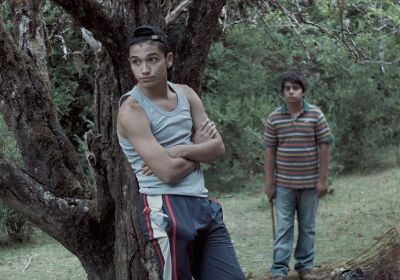
The Sydney Latin American Film Festival (SLAFF) is on again for the 12th year running. Featuring a specially curated program of captivating contemporary Latin American cinema, the festival has several films that progressive filmgoers won’t want to miss.
An important feature of this year’s program is that 50% of the films feature female directors, festival programmer Lidia Luna said.
-
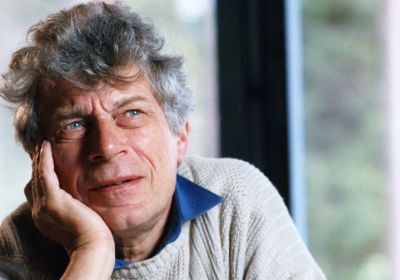
The Seasons in Quincy: Four Portraits of John Berger portrays British Marxist cultural commentator John Berger over a period of five years.
-
-
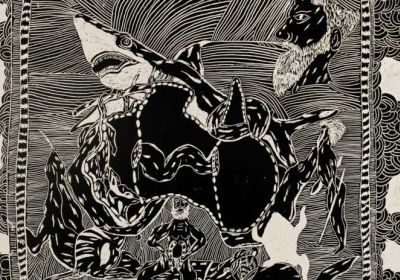
Two very different exhibitions communicate critical evidence about the Aboriginal experience of the 1967 referendum, through which the Australian constitution was amended to remove the racist provisions of sections 51 and 127.
That victory certainly did not end racism in Australia, but opened up the possibility of a broader, unfinished struggle.
Culture
Culture