-
-
Nobody better reflects the military and political elites’ cavalier attitude to nuclear weapons than Sir William Penney, the architect of Britain’s hydrogen bomb program.
Asked how destructive the new weapons were in meetings in 1961 between US Democrat President John F. Kennedy and British Conservative Prime Minister Harold Macmillan, Penney casually answered by saying: “It would take twelve to destroy Australia, Britain five or six, say seven or eight, and I’ll have another gin and tonic, if you would be so kind”.
-
Apocalyptic futures are common plot lines these days, but few as starling as this one. It has all of the big-ticket items like global warming and alien invasion, but with the added element of passionate and physical acting.
-
-
Chris Owen has produced an exhaustive history of colonial Western Australia pastoralists and the police who served their interests in the Kimberley region. It shows that, at best, they considered Aboriginal people as convenient slave labour and at worst pests who were to be exterminated.
-
What’s the fate of Cuba in the age of Trump? It is not an easy question to unravel, but Canadian author and journalist Arnold August provides some answers in his latest book, Cuba-US Relations: Obama and Beyond.
-
As a kid, the way I was taught about Indigenous people was terrible. For one thing, the understanding of the Indigenous economy and technology was non-existent.
I had this picture of people living in homes basically made of a bit of bark and maybe grass and sticks leaned up against a tree trunk. The impression was they spent their time wandering around and occasionally spearing a kangaroo or goanna for dinner.
Over the years I picked up bits and pieces of a more realistic and less insulting picture of Indigenous life, but it wasn’t really until I read Dark Emu by Bruce Pascoe that it all fell into place such that I can maybe imagine in some detail how people lived.
-
-
-
Over the years, it's often been hard to find enough political music to fill this monthly column. But this year, as Donald Trump became US president, it seemed every artist suddenly wanted to call themselves political. Here, we highlight those who truly had something to say.
-
Two decades ago, barely anyone called themselves an ecosocialist. Yet today the term is widespread on the left.
This comes from an awareness that any viable alternative to capitalism must do away with the current destructive relationship between human society and the wider natural world. It also stems from a recognition that too many socialists in the 20th century failed to take environmental issues seriously.
-
Serenading Adela: A Street Opera is a major new community theatre event now in rehearsal.
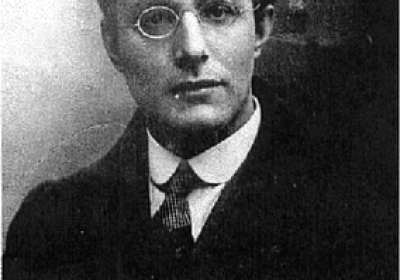
It celebrates a colourful protest on January 7, 1918, when, on a hot summer night during World War I, supporters of British-born suffragette and anti-war militant Adela Pankhurst gathered outside the bluestone walls of the Women’s Prison at Pentridge in the Melbourne suburb of Coburg.
Culture
Culture