There would have been no Enlightenment without Avicenna and his successor, Averroes – who Bloch sees as forming an “Aristotelian left” trend, writes Barry Healy.
There would have been no Enlightenment without Avicenna and his successor, Averroes – who Bloch sees as forming an “Aristotelian left” trend, writes Barry Healy.

Climate and Capitalism editor Ian Angus looks at new books for green lefts on how the richest drive climate change; planning from below; the Scottish clearances; slime; and eco-socialism and practical utopias.

This unmissable play, starring Colin Friels, is a eery reminder of the still pervasive power of religion over science and the tensions between the pursuit of knowledge and the power of official ideology.

In Risking Together, Dick Bryan and Mike Rafferty look at how the financialisation of the global economy has swept up the lives of ordinary people who had nothing to do with playing the financial markets. In the process, their lives have come to mirror the risks of stock exchange, derivative and currency market speculation.
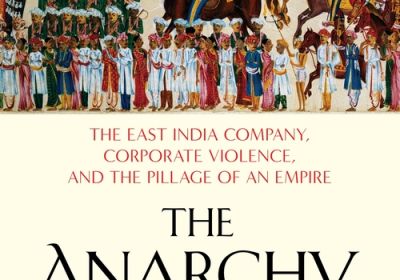
The English word “loot” is derived from the Hindi word lut, which means to steal, especially by plunder in time of war.

For more than 30 years, African American woman Marion Stokes recorded everything on multiple TVs around her apartment in the United States. That is, every single minute of every US channel, 24 hours a day, 365 days a year.
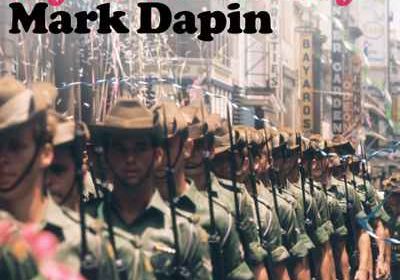
August 18 is Vietnam Veterans’ Day in Australia. Every year we can rely on right-wing commentators to trot out the now-familiar stories of Vietnam vets being abused when they returned to Australia.

The role of individuals in history has been a long-standing bone of contention within the Marxist tradition.

Goodes’ story shows that racism is well and truly alive.
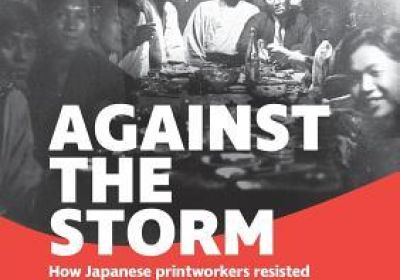
While researching Japanese working-class resistance to World War II, Kaye Broadbent discovered in a Japanese university archive Masao Sugiura’s 1964 memoir, detailing the formation and activities of the Shuppanako Kurabu (Print and Publishing Worker’s Club). Based upon Sugiura’s 1981 second edition, the English translation of Against the Storm provides an inspiring account of how Sugiura and his comrades were able to organise and sustain links between workers, despite increasing wartime repression by the Japanese military regime.