-
-
-
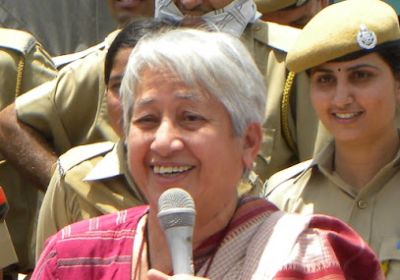
Veteran Communist Party of India-Marxist-Leninist (CPI-ML) leader Comrade Srilata Swaminathan passed away in Udaipur (Rajasthan) in the early morning of February 5. She was 74.
-
-
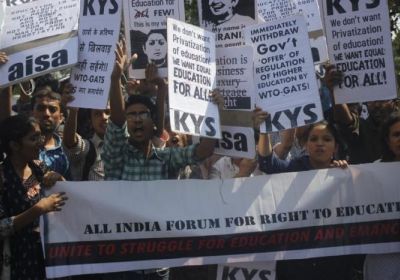
The All India Forum for the Right to Education (AIFRTE) has just released a documentary about its struggle against the privatisation of education in India.
-
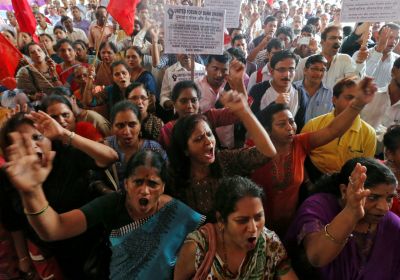
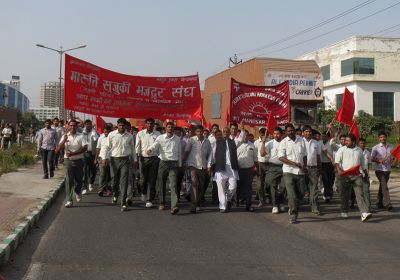
Tens of millions of public sector workers in India went on strike to protest Prime Minister Narendra Modi's push for privatisation and other right-wing economic policies.
-
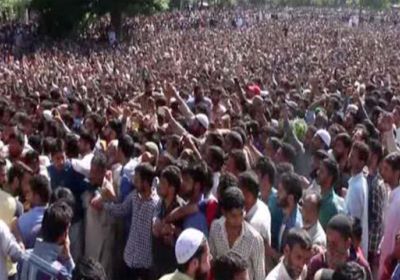 Since the extra-judicial killing of Burhan Wani, a Kashmiri independence fighter, by Indian security forces in a village in south Kashmir on July 8, hundreds of thousands of Kashmiris have once again taken to the streets in protest. Kashmir is occupied by India and the territory is also claimed by Pakistan. Many Kashmiris, however, are struggling for independence.
 -
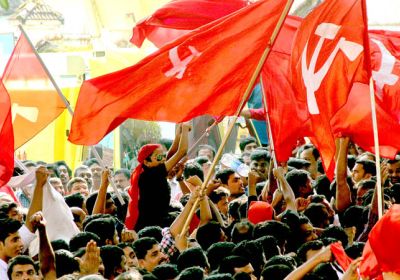 A long political campaign in the south Indian state of Kerala has again been played out according to the pattern followed for the last few decades. The Communist party of India-Marxist (CPI-M)-led Left Democratic Front (LDF) defeated the incumbent Indian National Congress-led United Democratic Front (UDF) in May 19 elections. The elections continued the state’s recent history of swinging between the UDF and the LDF. The two fronts have alternated in power since 1982.
 -
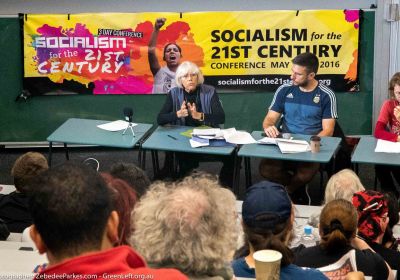 Sydney University campus came alive with political discussion, talks and workshops for three days during the Socialism for the 21st Century Conference, held over May 13–15. The conference had more than 30 sessions and 50 speakers, including international special guests Marta Harnecker, Michael Lebowitz and Ian Angus. Local and international activists shared their experiences of struggle and discussed the necessity of building alternatives to capitalism today. Up to 400 conference-goers faced the task of choosing from a range of stimulating sessions on offer.
 -
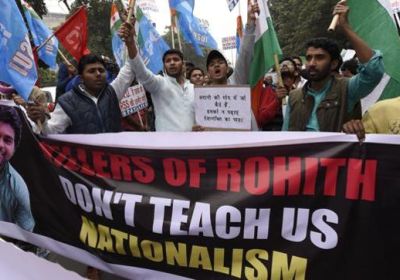
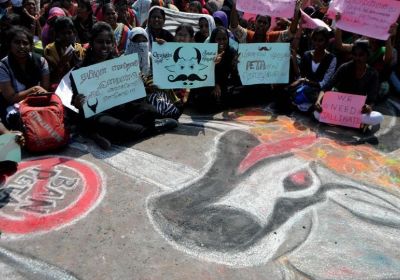
India has been hit by a wave of student unrest, centred on Jawaharlal Nehru University (JNU), which has been spurred by government attacks. These attacks include demonising protesters and arresting activists simply for criticising the actions of the Indian state. JNU student union president Kanhaiya Kumar is among several activists charged with sedition.
-
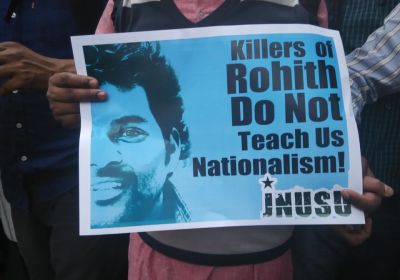
The article below is abridged from an editorial in ML Update, published by the Communist Party of India (Marxist-Leninist) Liberation. ***
-
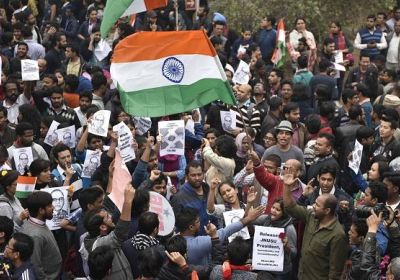 Students, journalists and teachers protested at Jawaharlal Nehru University (JNU) in New Delhi on February 16, demanding the release of an arrested student leader and denouncing violence by Hindu supremacists. The dispute has sparked new allegations that Prime Minister Narendra Modi's government and his Bharatiya Janata Party (BJP) are cracking down on political dissent in the name of patriotism.
India
India