

Filipino socialist activist and Party of the Labouring Masses (PLM) chairperson Sonny Melencio speaks with Federico Fuentes about global imperialism and the Filipino left’s response to the threat of a US-China war.
Filipino socialist activist and Party of the Labouring Masses (PLM) chairperson Sonny Melencio speaks with Federico Fuentes about global imperialism and the Filipino left’s response to the threat of a US-China war.
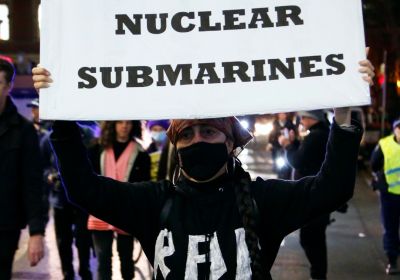
In seeking to justify its decision to enter the AUKUS alliance, the federal government has referred to values shared by the United States and Britain. But are they the values most Australians share, asks Tony Smith?
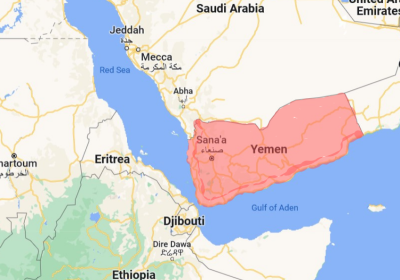
The eight year long Saudi war on Yemen looks, at long last, within reach of a resolution, reports Rupen Savoulian.
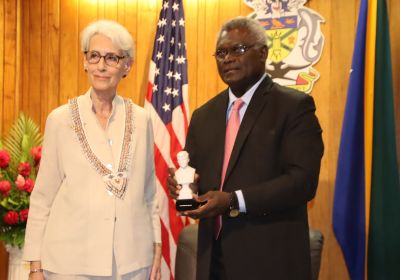
There has been a flurry of visits by United States' officials to the Pacific over the past year in a bid to shore up imperial hegemony in the region. Binoy Kampmark reports.
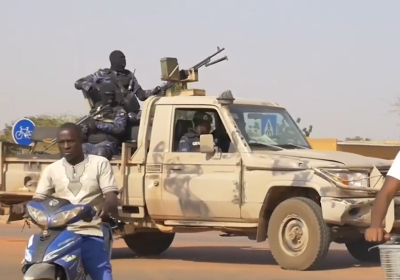
Burkina Faso’s government decided on January 18 to ask French military forces to leave the country within a month, reports Vijay Prashad.

Choo Chon Kai, a leading activist in the Socialist Party of Malaysia, has been building solidarity with democracy activists in China for many years. He discusses the recent protests in several cities in China.
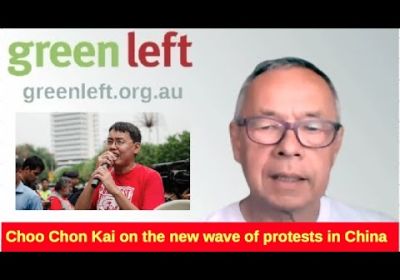
Peter Boyle spoke about the new wave of protests sparked by harsh anti-COVID-19 restrictions with Choo Chon Kai, who is working with the movement for democracy in China.
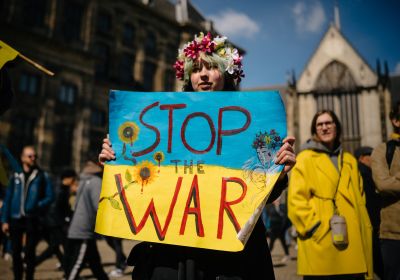
Socialist Alliance (Australia) adopted the following resolutions, on September 18, condemning Russia's attack on Ukraine, opposing NATO expansion and rejecting the war drive on China.
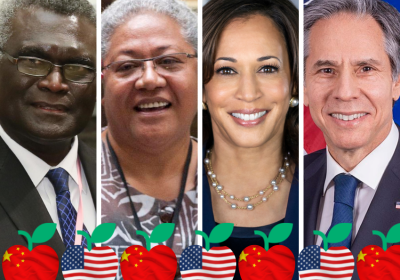
If ever there was a blatant statement of realpolitik masquerading as friendliness, the latest United States-Pacific Island declaration must count as one of them, writes Binoy Kampmark.

John Pilger asks, isn’t it time those who are meant to keep the record straight declared their independence and decoded the propaganda?
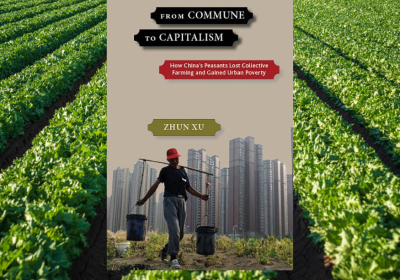
Chris Slee reviews Zhun Xu's book on the history of China's agricultural collectivisation.
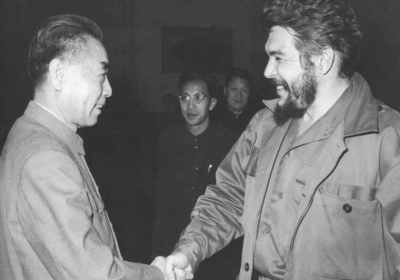
Cuba and China have recently agreed to expand and strengthen relations, reports Ian Ellis-Jones.