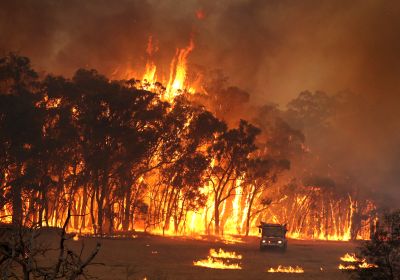
Catastrophic fires in New South Wales and Queensland have come early in the fire season, which usually starts in October. Climate scientists and frontline fire fighters agree: they are a consequence of climate change.
Catastrophic fires in New South Wales and Queensland have come early in the fire season, which usually starts in October. Climate scientists and frontline fire fighters agree: they are a consequence of climate change.
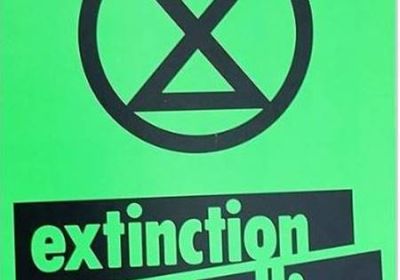
What began as a series of symbols with cryptic messages about climate change plastered on poster poles in the suburbs and protests by as few as 20 people, has evolved into a broad movement that is mobilising thousands of people committed to mass civil disobedience in response to the climate crisis and fears of a mass extinction.
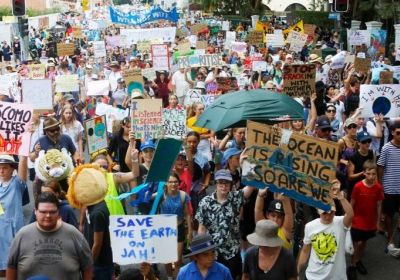
The global #ClimateStrike movement is more than just a call for genuine climate action. It is also a recognition that governments have failed to take the action that was both possible and necessary to avert catastrophe.
The Australia Institute (TAI) released its latest annual Climate of the Nation 2019 report on September 10. The annual report, first produced by the Climate Institute and for the past two years by TAI, has been tracking attitudes on climate change for more than a decade.
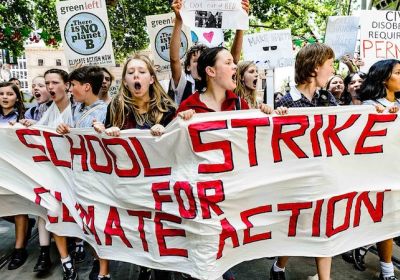
Support for the September 20 student-led global Climate Strike is growing in Australia as the big day nears. Councils, unions and churches are declaring their support and more strikes are being organised every day in what is building up to be the biggest day of protest since the 2003 anti-Iraq war mobilisations.

As the climate crisis worsens, the fires that are currently raging across New South Wales and Queenslandse are becoming the new normal.
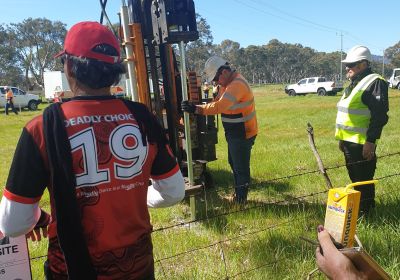
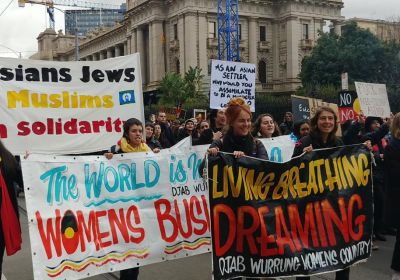
A red alert was issued by the Djab Wurrung Heritage Protection Embassy on September 11 after police and VicRoad workers arrived near the protest camp sites set up by Traditional Owners to protect sacred trees from a $672 million highway duplication project in south-western Victoria.
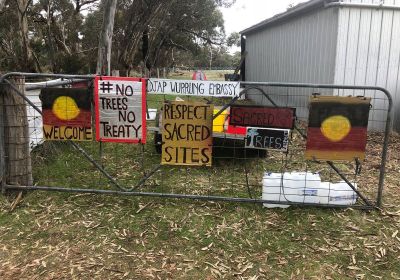
The struggle of the Djab Wurrung people to protect their sacred lands from a proposed duplication of the Western Highway in south-western Victoria, continues to garner support.
On September 10, dozens of academics and researchers released the following open letter calling on Victorian premier Daniel Andrews to intervene to save the sacred Djab Wurrung trees.
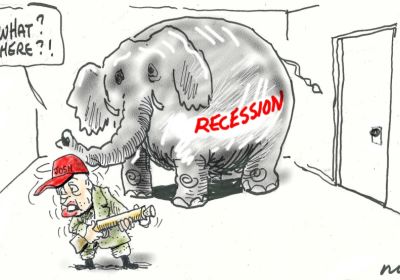
National accounts figures released by the Australian Bureau of Statistics (ABS) on September 4 show economic growth was slower over the 2018–19 financial year than at any time in the past 10 years.

Shaun Micallef’s Mad as Hell on the ABC is marvellous comedy that combines humour with current affairs analysis.