-
-
-
-
-
-
-
-
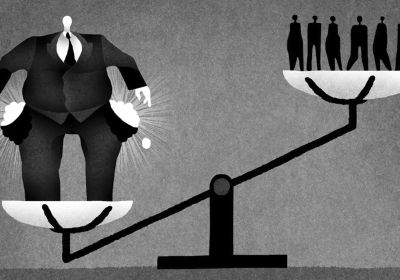 Last month I read an article that first appeared in the Huffington Post titled "X Marks the Spot Where Inequality Took Root: Dig Here". It explains how real wages in the US shadowed growth in productivity in the years after World War II. But in the mid-1970s wages growth completely stalled. If wages had continued to shadow productivity growth they would now be double what they are today. This explains a lot about contemporary US society: all the gains of increased productivity have been absorbed by the rich.
 -
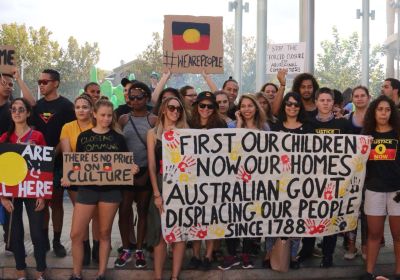
 The Fremantle Council voted 10-1 to drop its annual Australia Day fireworks on August 24 in recognition of how sensitive this date is for many First Nations peoples. It is worth restating the obvious: modern Australia, like Canada, the US, New Zealand and South Africa, began as a colonial-settler state founded on the violent dispossession of its Indigenous peoples. But Australia is the only one to hold its national day on the very date that marks the beginning of that dispossession.
 -
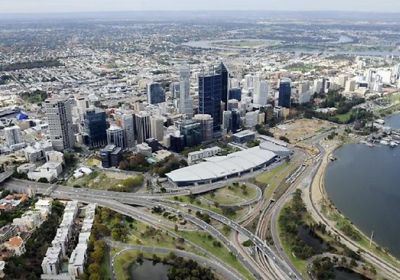 Australia's largest cities are urban planning disaster zones. Two facts in particular bear this out. First is the ongoing housing affordability crisis, which shows no sign of abating. Second is the relentless march of car-dependent urban sprawl, which continues to devour remnant native vegetation and good farming land. You get an eyeful of this latter problem as you approach Perth by plane, by some accounts the second-biggest metropolis in the world by surface area.
 -
 In the discussion about Pauline Hanson's election to the Senate and her recent appearance on ABC's Q&A there have been appeals by some commentators to go easy on her because: "She is just saying what a lot of people are thinking". Well, dopey racist ideas need to be condemned for what they are, regardless of how many people share them. This defence of Hanson is like the completely false idea that the degrading treatment of asylum seekers by Labor and Coalition governments is just responding to what the voters want. This of course puts the cart before the horse.
 -
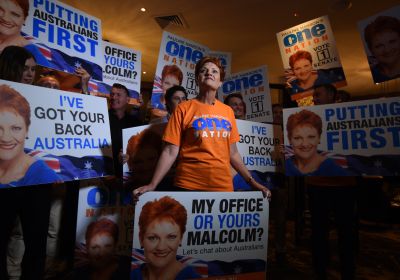 The 2016 federal election has confirmed the continuing decline of Australia's two-party system. The relative stability that characterised the decades after World War II was shaped by a phase of unprecedented economic growth, record low unemployment and mass home ownership. But that is long gone, in fact it was an aberration. Our system of single member electorates helped paper over the current period of rising economic insecurity, but inevitably politics is catching up.
Sam Wainwright
Sam Wainwright