-
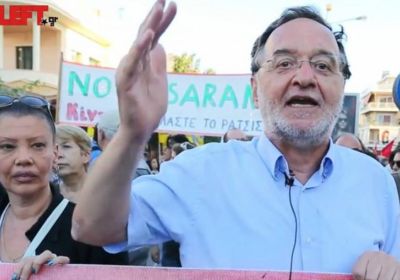
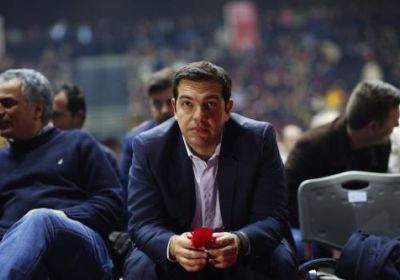
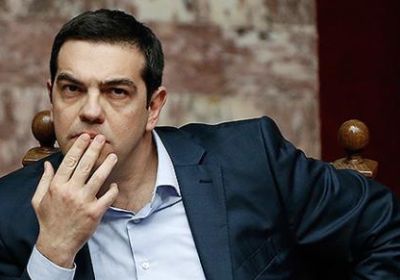
By any logic, Greece's SYRIZA-led government should be sinking in the opinion polls. At the Brussels Eurosummit of Eurozone leaders on July 12, SYRIZA Prime Minister Alexis Tsipras agreed to a set of draconian preconditions for obtaining a third €86 billion bailout. The decision effectively reversed the opposition to austerity on which SYRIZA was elected in January. -
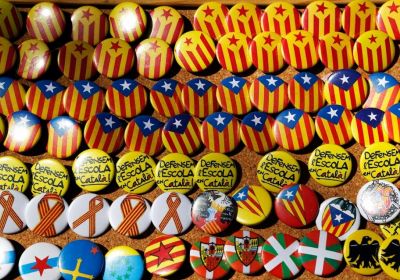
If a Catalan Rip Van Winkle were to wake up today after a sleep of only six years, his disorientation with Catalonia would be as great as that of the original Rip Van Winkle after he dozed right through the American War of Independence. “Am I hallucinating?” he might ask, struggling to find the right answer to questions like:
-
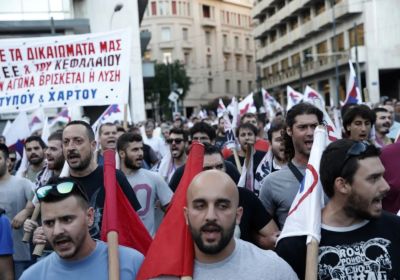
In the early hours of July 16, Greek parliament voted to accept the punitive July 12 funding deal put forward by eurozone lenders.
-
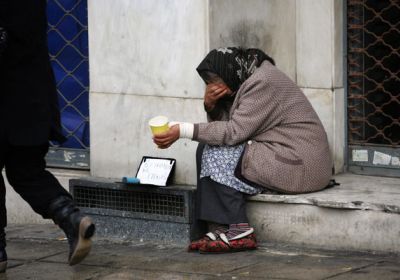
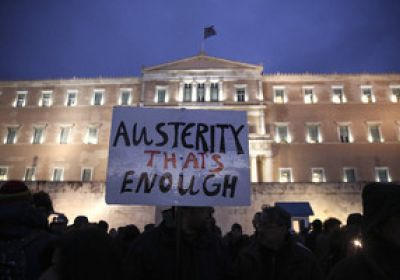
Regardless of the result of the latest round of negotiations between the SYRIZA-led government of Greece and the heads of the 28 members of the European Union, one thing is certain: in coming years, the Greek people are going to need all possible solidarity because their struggles and sufferings are bound to continue. The best imaginable deal with the EU will mean six years of Troika-imposed austerity grinding along to one degree or another. Forced Greek exit from the eurozone will drive the country deeper into recession, further contracting an economy that has shrunk by 25% since 2008. -
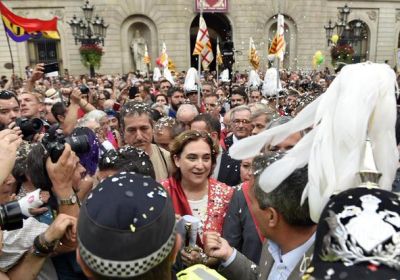
The squares in front of scores of town halls across the Spanish state were jam-packed with enthusiastic crowds on June 13. Tens of thousands had gathered to celebrate the inauguration of progressive administrations elected in a leftward swing in the May 24 local government elections for Spain’s 8144 councils. -
For a while in late May, it looked as if negotiations over terms for releasing the last €7.2 billion owed to Greece under its second bailout package with the “Troika” of the European Union, European Central Bank and International Monetary Fund might have some chance of success. The commentary from the SYRIZA-led Greek government's negotiators and from its creditors was of “fruitful discussions” and “meaningful progress”. Greek government spokespeople even spoke of reaching an agreement “within a week or two”, at the latest by the June 18 meeting of the eurozone finance ministers. -
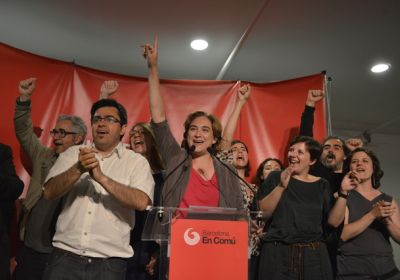
It was clear early on that something special was happening in the May 24 local government and regional elections across the Spanish state. In Spanish elections, the voter participation rate gets announced at 1pm and 6pm — while voting is still taking place. Well before the polling stations closed, the news was that participation was up about 5% in Catalonia and about 8% in the working-class districts of Barcelona.
-
Will Greece's SYRIZA-led government reach a last-minute deal with its creditors, the European Union (EU), European Central Bank (ECB) and International Monetary Fund (IMF) - the “Troika” - to release the last €7.2 billion owed to the country under Greece's second bail-out agreement? -
A commentator for the mainstream Barcelona daily La Vanguardia reported on May 9 on a conversation he overheard in a lift between two “executives of a certain age”. They were talking about an opinion poll giving the radical, movement-based ticket Barcelona Together the lead in the March 24 election for Barcelona City Council. Executive A: “Have you seen that [incumbent Barcelona mayor Xavier] Trias is losing?” Executive B: “Yes, [lead candidate for Barcelona Together Ada] Colau is winning.” -
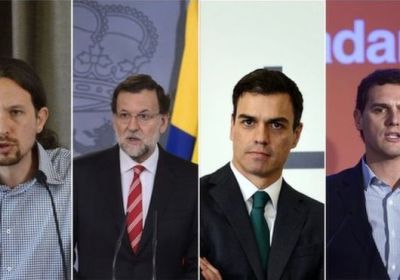
For three months, from November to February, the Spanish economic and political establishment was in a state of barely suppressed panic. In national opinion polls, support for the “reds” - in the form of radical new force Podemos - had overtaken that for the establishment parties, the ruling People’s Party (PP) and the opposition Spanish Socialist Workers Party (PSOE). -
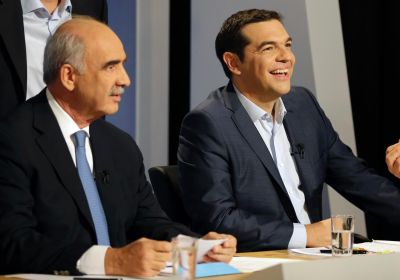
In a three-hour appearance on private TV channel Star TV on April 27, Greek Prime Minister Alexis Tsipras spoke extensively about the challenges confronting the anti-austerity government led by the Coalition of the Radical Left (SYRIZA). The program began with a grilling of Tsipras by interviewer Niko Katsinikolao and ended with questions from a 50-strong audience. A lot of questions reflected growing concern that talks with the country’s creditors — mainly the “Troika” of the European Union (EU), European Central Bank (ECB) and International Monetary Fund (IMF) — were stalled. -
A central pillar of the Spanish economic and political establishment came crashing down on Paril 16. Rodrigo Rato, former deputy prime minister in the 1996-2004 People’s Party (PP) government of Jose Maria Aznar and head of the International Monetary Fund from 2004 to 2007, was detained on suspicion of tax evasion, concealment of assets and fraud.