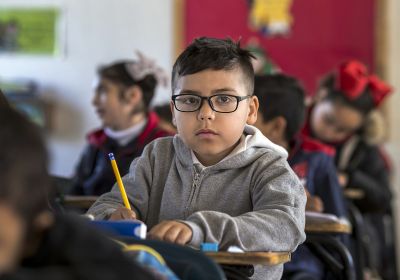
The federal Coalition government is exerting a lot of pressure on states to make schools re-open. But it should only happen if schools are safe for teachers and students, argue Mary Merkenich, David Linden and Vivian Messimeris.
The federal Coalition government is exerting a lot of pressure on states to make schools re-open. But it should only happen if schools are safe for teachers and students, argue Mary Merkenich, David Linden and Vivian Messimeris.
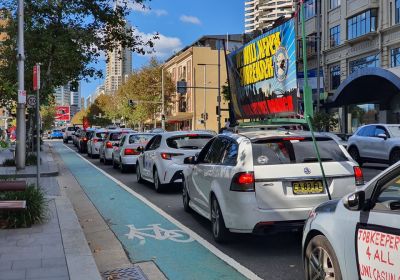
About 100 vehicles joined a car convoy in Sydney on May 1 to mark May Day, the international day of workers’ solidarity, reports Jim McIlroy.
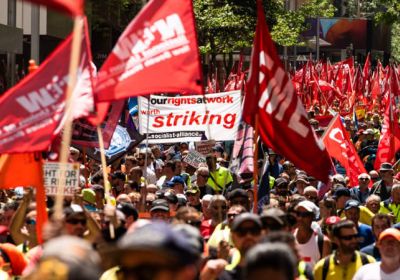
The Socialist Alliance has produced a set of campaign demands as a contribution to the union movement's discussion about how to fight back during the COVID-19 pandemic, while ensuring no worker is left behind.

Why is the federal government budgeting its JobKeeper program on the basis of 6 million workers needing support while the projected unemployment rate without JobKeeper would be an extra 700,000 workers, asks Michael Bull.
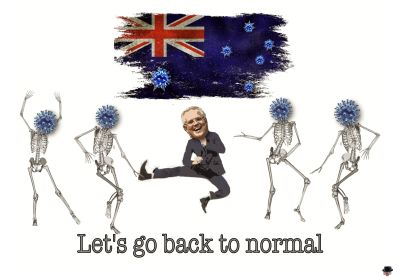
“Normal” was so broken, we don't want to go back to that. But, as Sam Wainwright argues, we're going to have to build a movement strong enough to transform Australia’s economy.

Maritime Union of Australia national safety and training officer Jake Field speaks about the day workers commemorate the lives of their workmates, loved ones and friends who have been tragically killed or injured at work.

Community mental health services in a large regional hospital have been severely reduced, just as they are needed more than ever, reports Kerry Smith.
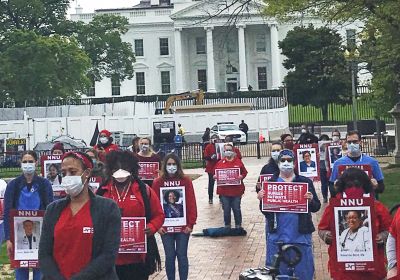
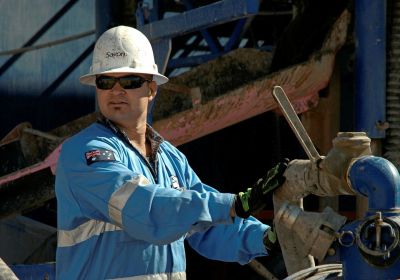
Workers are increasingly being pressured to expose themselves to COVID-19 to save businesses and the economy, writes Pip Hinman.
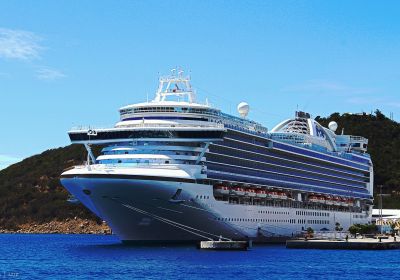
Ruby Princess crew members are still aboard the virus-ridden ship, reports Jim McIlroy, but the Maritime Union of Australia is fighting for their rights.
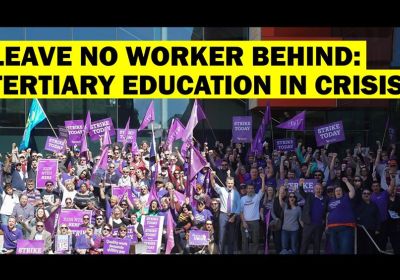
Jonathan Strauss writes that many university workers are questioning the National Tertiary Education Union's leadership during the COVID-19 crisis, sparking a debate among members about the union's strategy to protect workers' conditions.
Attorney-General Christian Porter has made it easier for employers to take advantage of the economic crisis brought on by COVID-19, writes Lisbeth Latham.