
 The United Socialist Party of Venezuela (PSUV) is held its primaries on June 28. Photo: TeleSUR.
The latest study from polling firm Hinterlaces shows that 62% of Venezuelans want the ruling United Socialist Party of Venezuela (PSUV) to stay in government.
The United Socialist Party of Venezuela (PSUV) is held its primaries on June 28. Photo: TeleSUR.
The latest study from polling firm Hinterlaces shows that 62% of Venezuelans want the ruling United Socialist Party of Venezuela (PSUV) to stay in government.
-
The United Socialist Party of Venezuela (PSUV) is held its primaries on June 28. Photo: TeleSUR.
The latest study from polling firm Hinterlaces shows that 62% of Venezuelans want the ruling United Socialist Party of Venezuela (PSUV) to stay in government.
-
 President Rafael Correa called a rally on July 2 in defence of democracy and the pro-poor Citizens' Revolution his government leads after plans by the right-wing opposition for a violent coup were exposed. “We are ready to defend the revolution against the coup plotters,” Correa told thousands of supporters gathered outside the Presidential Palace on the evening of July 2. “We will remain firm in defending the revolution against the ultra-right.” he added.
 -
Across Africa, western Asia and Latin America in the 1980s, the growth of per capita GDP was brought to a halt. This was not a recession, it was a severe depression. And its cause was reckless lending by banks in the ’70s.
-
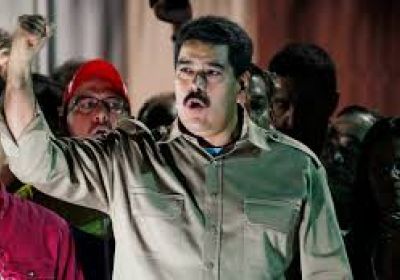 Venezuelan President Nicolas Maduro voiced solidarity with the Greek government of Alexis Tsipras on June 30 after Greece failed to pay US$1.8 billion to the International Monetary Fund (IMF), Venezuelanalysis.com said on July 1. “I want to officially express solidarity to Prime Minister Tsipras and the Greek people on behalf of Venezuela,” Venezuela's socialist leader said on his weekly television program shortly after the IMF deadline.
 -
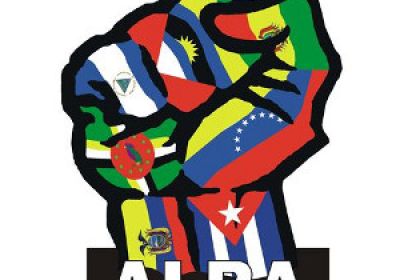 The ALBA bloc, comprised of 12 Latin American and Caribbean nations, expressed its support to Greece, as the Mediterranean country continues to renegotiate its debt with eurozone lenders. In a statement June 28, the bloc, which calls itself a “People’s Trade Treaty,” said it stands with the Greek people and the SYRIZA government against the "destructive consequences of neoliberal transnational capital," which regional organization said looks to subvert Greek democracy through financial measures.
 -
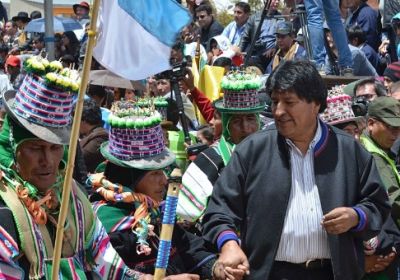
Bolivia's President Evo Morales highlighted the importance of social movements in driving the changes and the economic growth experienced by the South American country in recent years.
-
 Jaime Nebot. Photo: ANDES.
Ecuadorian President Rafael Correa singled out opposition politician Jaime Nebot, who has been calling for protests against the government, as a clear example of the progress the country has made with respect to the collection of taxes.
Correa came to power in 2007. He said in 2006, Nebot paid just US$1994 in income taxes, but by last year the opposition leader was paying US$66,593.
Jaime Nebot. Photo: ANDES.
Ecuadorian President Rafael Correa singled out opposition politician Jaime Nebot, who has been calling for protests against the government, as a clear example of the progress the country has made with respect to the collection of taxes.
Correa came to power in 2007. He said in 2006, Nebot paid just US$1994 in income taxes, but by last year the opposition leader was paying US$66,593.
-
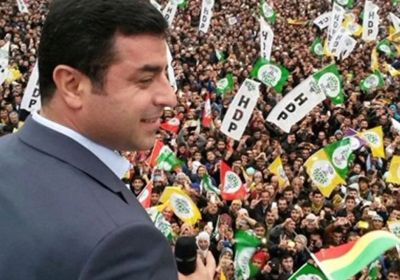
A delegation of six elections monitors sponsored by the Peace in Kurdistan Campaign to observe the June 7 Turkish election witnessed a stunning result took the left-wing Kurdish-based Peoples Democratic Party (HDP) into parliament for the first time.
-
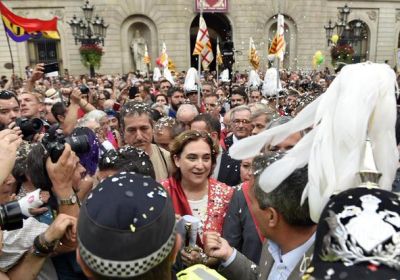 The squares in front of scores of town halls across the Spanish state were jam-packed with enthusiastic crowds on June 13. Tens of thousands had gathered to celebrate the inauguration of progressive administrations elected in a leftward swing in the May 24 local government elections for Spain’s 8144 councils.
 -
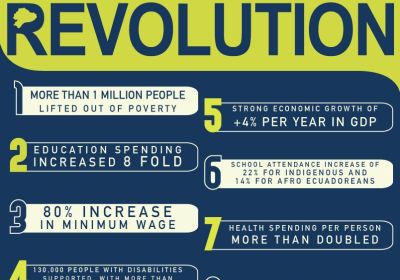 Violent right-wing protests erupted in Ecuador on June 8, sparked by plans for a new inheritance tax law that would target the richest 2% of the population. In response, President Rafael Correa agreed to temporarily halt two planned laws to carry out a nationwide debate on inequality and wealth redistribution – challenging the opposition to prove his government's laws would hurt the poor. On June 18, Correa took to social media to start the debate, asking: “How can we call a country a 'democracy' if less than 2% of families own 90 percent of big businesses?”
 -

Ecuador's left-wing President Rafael Correa has called for dialogue with his country's right-wing opposition amid a wave of protests over proposed reforms aimed at taxing the rich.
-
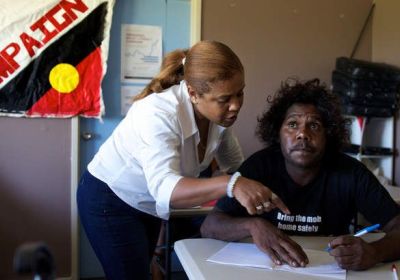 Kenia Serrano, president of the Cuban Institute for Friendship with the Peoples (ICAP) and a member of Cuba's National Assembly, attended the recent national consultation of the Australia-Cuba Friendship Society. Green Left Weekly's Denis Rogatyuk spoke with her about recent developments of the Cuban Revolution. *** Cuba has just been removed from the list of state-sponsors of terrorism. How do you think this will affect Cuba’s relations with the United States?