-
Bill Gates was set to deliver the July 17 annual Mandela Lecture in Johannesburg, justifying his philosophy of market-oriented, technology-centric philanthropy. Last year, French economist Thomas Piketty’s speech on inequality attracted healthy debate — with even business notables endorsing his concerns — given South Africa’s intense social conflict. To illustrate, South Africa’s Gini Coefficient measuring inequality is the world’s highest (at 0.77 on a scale of 0 to 1, in terms of income inequality from employment). Since 2000, social protests have numbered on average 11 per day. -
“The Party of the European Left declares its solidarity with the friends and families of the more than 80 people killed in the incomprehensible attack on July14 in Nice,” the group of left-wing parties across Europe said in a statement that day. “On its national day, France witnesses another violent attack despite all its anti-terrorist security measures. -
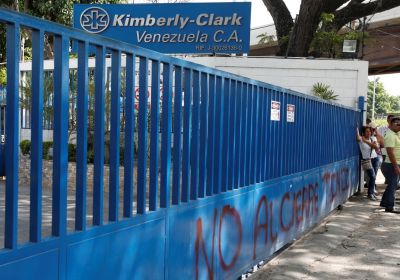
The Venezuelan government announced on July 11 that it had seized a factory of the US company Kimberly Clark Corporation — producer of numerous personal, feminine, and baby care brands including Huggies, Kotex, and many others, TeleSUR English said that day.
-
Destruction wrought by Turkish state in Diyarbakır.
Three-hundred-and-fifty thousand. That is the number of people displaced since the Kurdish-Turkish “resolution process” was interrupted by the Turkish government of President Recep Tayyip Erdoğan last year.
-
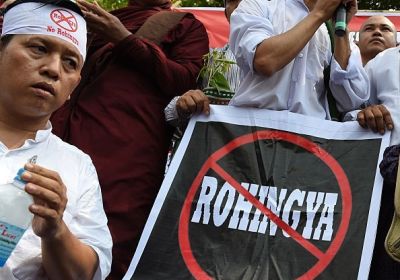
The entire population of Burma supported Aung San Suu Kyi when she fought to get rid of the military dictatorship of Burma (Myanmar) during the 1990s. She received tremendous support from all communities, including non-Buddhist ethnicities and Muslim communities. No one considered what her policy on other religions and ethnic areas was. People just wanted to get rid of the regime. -
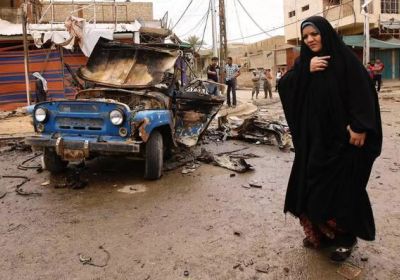
A truck bomb exploded in Baghdad on July 3, killing at least 292 people and wounding hundreds of others. The bombing, for which ISIS claimed responsibility, had the highest death toll of any terrorist bombing in Iraq since the US, Britain and Australia invaded the country in 2003.
-
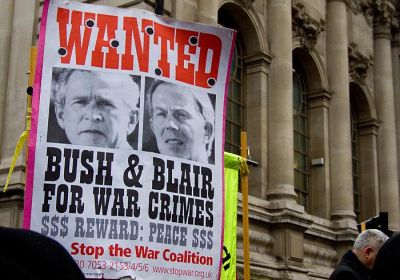
The release of the Chilcot Report on July 6 has led to renewed calls for former British Prime Minister, Tony Blair, to be prosecuted at the International Criminal Court (ICC) for his role in starting the Iraq War.
-
For some people, it was impossible to believe that this day would come. Seven years after John Chilcot started to take evidence in a British inquiry into the Iraq War and 12 years after the previous inquiry into the war, many anti-war protesters could be forgiven for being sceptical about what the report would say. First impressions, announced over microphones and megaphones while being read from mobile phones, were met with a militant response. There was a sense of vindication for those of us who opposed the war from the outset and has renewed our determination. -
The media-backed attempted coup by right-wing Labour Party MPs against Labour leader Jeremy Corbyn has failed, amid large demonstrations and public meetings across Britain defending the left-wing leader.
-
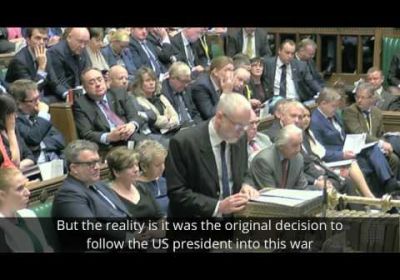
British Labour leader Jeremy Corbyn said on July 6 that public opposition to the war in Iraq had been “vindicated” — and called on politicians who ignored pleas for peace to “face up to the consequences”.
-
The article below was published by Tony Norfield on his Economics of Imperialism blog in the lead up to the June 23. It looks at the impact of British imperialism on all sides of the 'Brexit' debate.
-
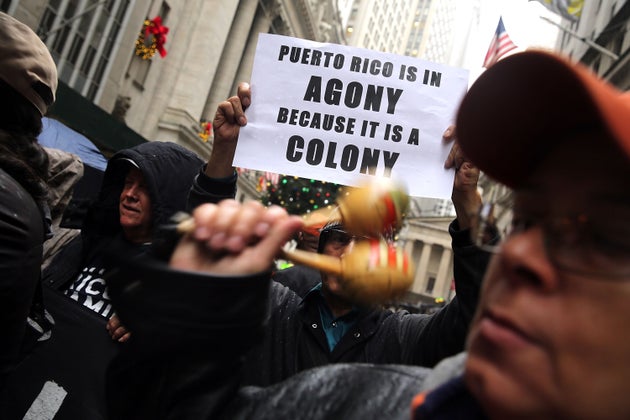
The Congressional, executive and judicial wings of the United State government recently clarified for all — despite Washington's claims to the contrary — that Puerto Rico is a US colony.
A law known as PROMESA was passed by Congress with bipartisan support and signed by President Barack Obama on June 30. It creates an unelected seven-person control board that has sweeping powers to take over Puerto Rico's economy.