

A passionate crowd of 1000 mostly Afghan-Australians and young people marched on Parliament House, calling for peace in Afghanistan. Anne McMenamin reports.
A passionate crowd of 1000 mostly Afghan-Australians and young people marched on Parliament House, calling for peace in Afghanistan. Anne McMenamin reports.

The situation in Afghanistan is critical, writes Malalai Joya. For ordinary people, especially for women, this means more suffering. Progressives are in more danger than ever.
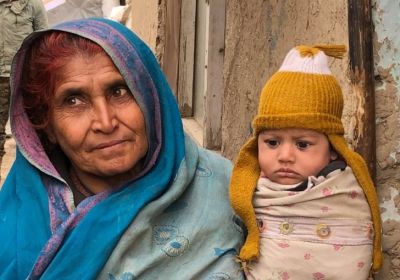
Scott Morrison probably never intended to rescue Afghans who had helped Australia’s occupation forces, but he is being forced to. Sue Bolton argues that he must be forced to do a lot more.
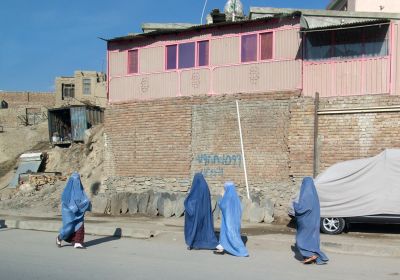
The US “war on terror” was portrayed as a just response to the September 11, 2001 terrorist atrocity, writes Rupen Savoulian. This rationale stands exposed as utterly hypocritical.

The Taliban's victory is not a sign of peace but a message of perpetual civil war, writes Farooq Tariq.

Afghan refugee Riz Wakil says Western warmongers were never in Afghanistan to bring democracy or protect ordinary Afghans; they orchestrated the occupation of Afghanistan and other parts of the Middle East.
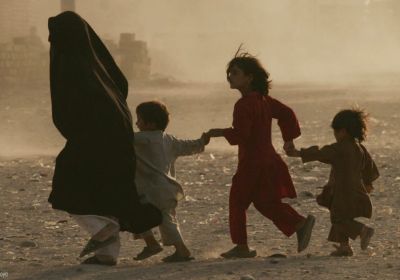
If any proof was needed that the Afghan government was a puppet of Washington, it was shown by its quick collapse, writes Malik Miah.

For the "crime" of truth-telling, WikiLeaks founder Julian Assange is being relentless pursued by the United States government, determined to secure his extradition at any cost, writes John Pilger.

Chris Slee reviews David Brophy's new book, which looks behind the fear campaign about China, and the issues of human rights, the US-Australia alliance and economic rivalries.

United States president Joe Biden has imposed further sanctions on Cuba — targetting two leaders of the Cuban national police as well as the organisation as a whole, reports Ian Ellis-Jones.

The Cuban government gave the green light, on August 6, for the creation of micro, small and medium-sized enterprises (MSMEs), reports Ian Ellis-Jones.

Multinational beverage companies have been profiting off Mexico's precious drinking water resources for decades, while local communities have gone without. But communities in the state of Puebla have had enough, reports Tamara Pearson.