
In the wake of Russia’s invasion of Ukraine, anti-war and progressive groups have responded with calls for Russia’s immediate withdrawal and for a diplomatic resolution of the crisis, reports Susan Price.
In the wake of Russia’s invasion of Ukraine, anti-war and progressive groups have responded with calls for Russia’s immediate withdrawal and for a diplomatic resolution of the crisis, reports Susan Price.
Left parties and anti-war groups internationally have added their voices to calls for a peaceful negotiation to end the Ukraine crisis, reports Susan Price.

Instead of running documentaries, statements or messages on how war might be averted, the message of conflict has become inexorably clear in the mainstream media, argues Binoy Kampmark.
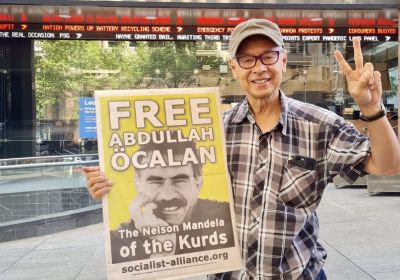
Every year since the imprisonment of Kurdish leader Abdullah Öcalan 23 years ago, an international peace delegation has collected evidence on the treatment of political prisoners in Turkey, reports Peter Boyle.
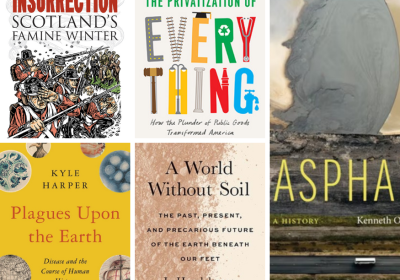
Climate and Capitalism editor Ian Angus presents reading matter for reds and greens.
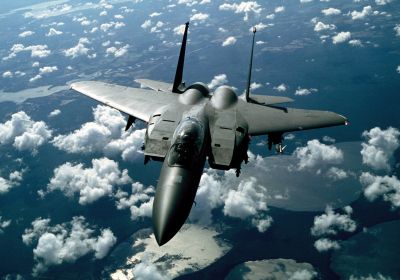
It is more than a century since Edward Bernays, the father of spin, invented “public relations” as a cover for war propaganda, writes John Pilger. What is new is the virtual elimination of dissent in the mainstream.
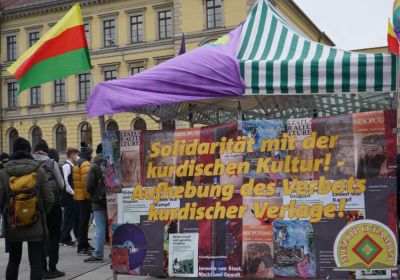
A landmark appeal against a 2019 ban imposed on a leading Kurdish publisher and music distributor failed in the German Federal Administrative Court on January 26, reports Kerry Smith.
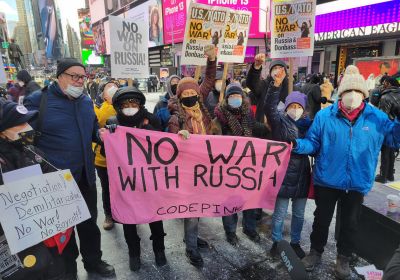
The United States and its backing of far-right forces in Ukraine is the biggest impediment to peace, writes Barry Sheppard.
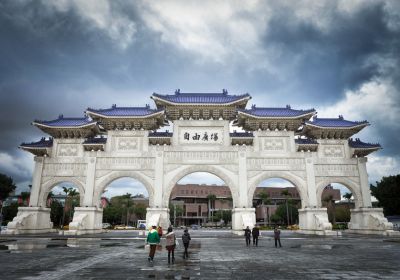
The sabre rattling of the United States and its allies grows as capitalism’s crisis sharpens, writes William Briggs.
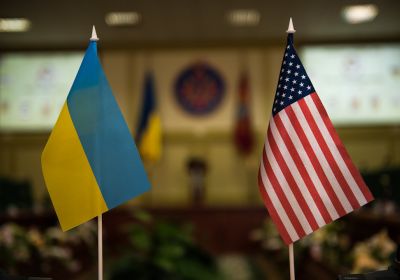
The current United States-Russia crisis has its roots in Washington’s betrayal of its well-documented promise to Soviet General Secretary Mikhail Gorbachev in the early 1990s to not move NATO eastward, write Malik Miah and Barry Sheppard.
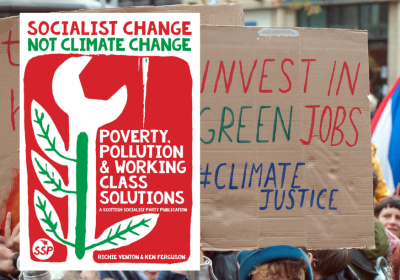
Alex Miller reviews a new booklet from the Scottish Socialist Party that makes the case for a socialist green new deal.

On January 30, 1972, British soldiers massacred 14 civilians — six of them teenagers. Stuart Munckton looks at the roots of the British crime and the ongoing struggle for justice 50 years later.