-
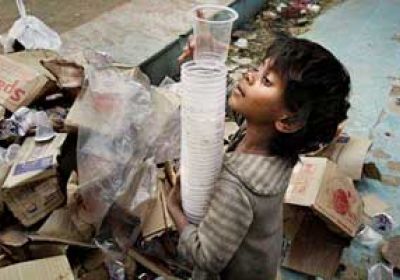
Venezuela's rate of extreme poverty has continued to decline despite what the government has described as an “economic war” by right-wing opposition-aligned business sectors. TeleSUR English said on January 17 that the latest official figures showed about 4.78% of Venezuelans now live in extreme poverty. That figure is slightly lower than those reported in November, which put the extreme poverty rate at 4.9%. -
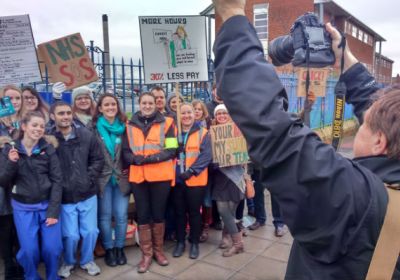
For the first time in 40 years, tens of thousands of junior doctors took to their picket lines on January 12 to oppose government plans to attack Britain's public National Health System (NHS).
-
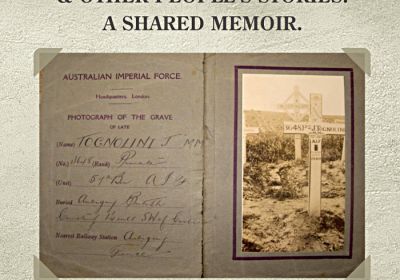
A History Man’s Past & Other People’s Stories: A Shared Memoir. Part One: Other People’s Wars By John Tognolini 2015, 160 pages pb $24, ebook $5 Order the book -
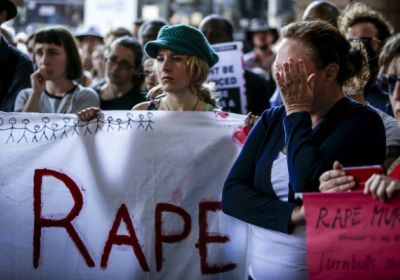
An immigration department review into the forcible removal of Save the Children Fund workers from the Nauru immigration detention centre, released on January 15, recommended that they be paid compensation. The nine charity workers were ordered to leave Nauru by the Australian government in October 2014 after they claimed that women and children at the detention centre were being sexually abused. -
Oxfam's new report, An Economy for the 1%, is a damning indictment of capitalism. It presents chilling data showing that global inequality has reached “new extremes”. The aid organisation has calculated that just 62 people have the same amount of wealth as half the world. -
Captain Arthur Phillip took formal possession of the colony of New South Wales and raised the flag for the first time in Sydney Cove on January 26, 1788. In the early 1880s the day was known as “First Landing”, “Anniversary Day” or “Foundation Day”. In 1946 the Commonwealth and state governments agreed to unify the celebrations on January 26 and call it “Australia Day”. -
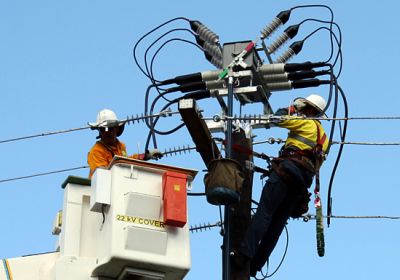
Ergon workers in Bundaberg walked off the job in response to the company's plans to axe front line jobs in the region and across the state. This follows a similar walkout in Atherton on January 15 over the same issue. Electricians and linesmen from the Bundaberg depot walked off the job on January 20 in response to the company's decision to outsource more work at the expense of permanent frontline positions. -
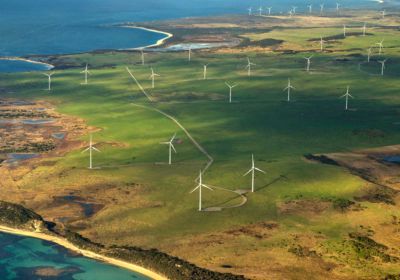
Tasmania is in the grip of an energy crisis as drought reduces output from its hydro-electric dams and the undersea power cable — which had been providing up to 40% of its power needs from Victoria — is shut down. Basslink is planning a major operation to repair its undersea power cable, which was shut down after a fault was discovered about 100 kilometres off the Tasmanian coast. -
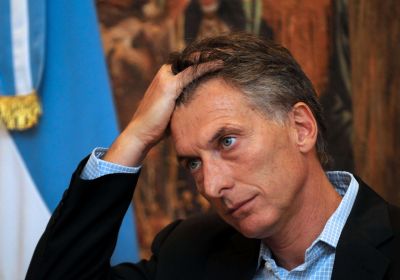
Every year from around Christmas through to February, Argentina is wrapped in a summer trance. The usual, frenzied pitch of city centres is muffled as if by vast blankets of cotton and sticky heat. Families find reprieve from work by travelling to the coast and mountains, visiting distant family and towns in the interior. This lull often translates into a dialling-down of class struggle. There are fewer and smaller mobilisations, strikes and political activism. -
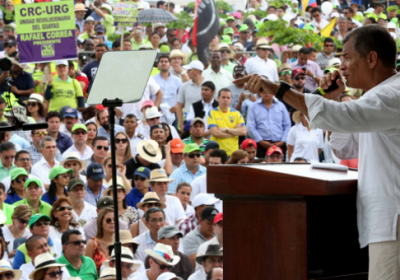
“We are celebrating nine years of reborn hope, of fulfilled promises and of homeland for all,” Ecuadorean President Rafael Correa told crowds at an event marking the ninth anniversary of the start of the country's “Citizen's Revolution”.
-
British-Tamil musician M.I.A.'s video for her new song "Borders", which expresses solidarity with refugees seeking to flee to safety, has caused controversy. French football team Paris Saint-Germain has requested the video, directed by the artist herself, be taken offline because M.I.A. is seen in the video wearing a modified version of the club's shirt.
-
The dramatic declines on financial markets at the start of the new year have revived fears that another economic slump could be in the cards for 2016 — even though working people around the world are still suffering the effects of the Great Recession the last time around.