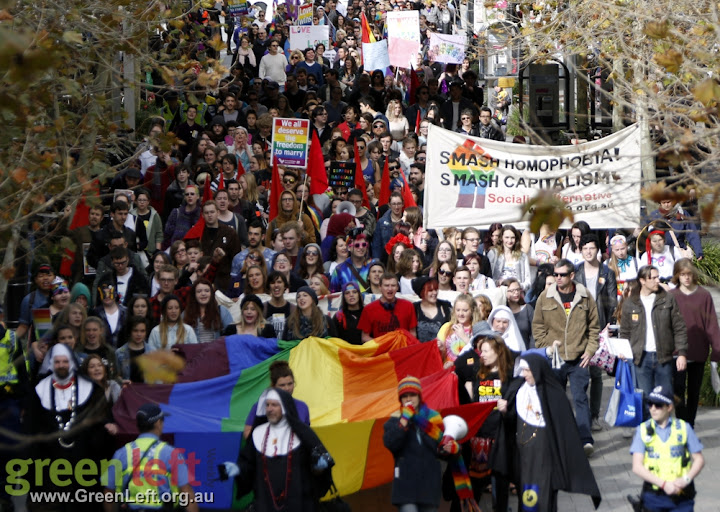
 'Put the bill, pass the bill' was the message as 700 people marched through the streets of Perth in support of marriage equality on August 9.
The rally began with a new song by Luke John O'Dell and featured speakers including Joey Cookman from Playgroups with Pride, trans activist Jayne McFadyen and Greens parliamentarian Lynn MacLaren.
'Put the bill, pass the bill' was the message as 700 people marched through the streets of Perth in support of marriage equality on August 9.
The rally began with a new song by Luke John O'Dell and featured speakers including Joey Cookman from Playgroups with Pride, trans activist Jayne McFadyen and Greens parliamentarian Lynn MacLaren.
-
'Put the bill, pass the bill' was the message as 700 people marched through the streets of Perth in support of marriage equality on August 9.
The rally began with a new song by Luke John O'Dell and featured speakers including Joey Cookman from Playgroups with Pride, trans activist Jayne McFadyen and Greens parliamentarian Lynn MacLaren.
-
 CONALCAM brings Bolivia’s main indigenous and popular organisations together with state representatives to coordinate and debate economic policies.
The small Andean nation of Bolivia has received praise from many quarters due to the economic transformation it has undergone over the past decade.
CONALCAM brings Bolivia’s main indigenous and popular organisations together with state representatives to coordinate and debate economic policies.
The small Andean nation of Bolivia has received praise from many quarters due to the economic transformation it has undergone over the past decade.
-
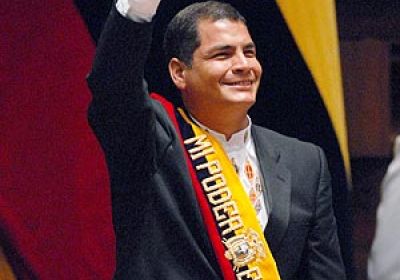 Ecuador: Correa says Latin American left faces 'new Cold War' Ecuadorian President Rafael Correa said on August 5 that left-wing governments in Latin America are facing “a new Cold War” that seeks to “annihilate them” through strategies of political destabilisation. The statements of the socialist leader come as opposition groups, including many from the far right, are planning a new series of protests against his government.
 -
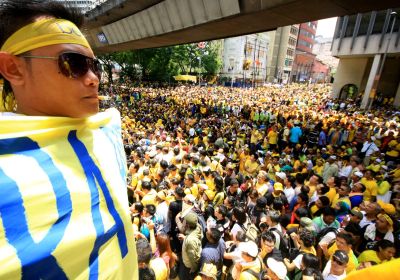
The Malaysian democracy movement, Bersih, has called its fourth major mobilisation — named Bersih 4.0 — for August 29-30 amid increasingly desperate and repressive attempts by the Barisan Nasional (BN) government of Prime Minister Najib Razak to suppress investigations of his alleged involvement in a multi-billion dollar corruption scandal involving the debt-ridden state investment fund 1Malaysia Development Bhd (1MDB).
-
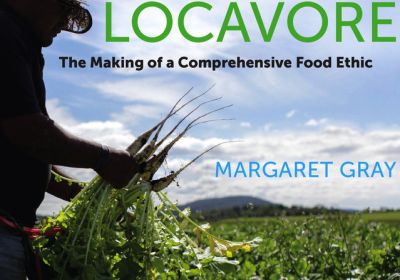
Over the past few decades there has been a rapid growth of interest in buying food that does not come from large-scale industrial farms. Concerns exist over their use of large amounts of commercial fertilisers, pesticides and genetically modified organisms, and inhumane treatment of farm animals.
-
 Anti-water charge protests in Letterkenny, County Donegal on November 1.
The Irish government’s unpopular public utility, Irish Water, has been dealt a body blow. It failed two key tests within the space of a fortnight — gifting a huge victory to opposition parties and the huge anti-water charges movement.
Anti-water charge protests in Letterkenny, County Donegal on November 1.
The Irish government’s unpopular public utility, Irish Water, has been dealt a body blow. It failed two key tests within the space of a fortnight — gifting a huge victory to opposition parties and the huge anti-water charges movement.
-
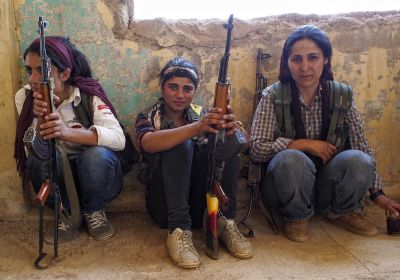 The July 23 deal between the US and Turkey — which gives the US access to Turkey's Incirlik airbase and officially brings Turkey into the US-led “war on ISIS” — makes one thing clear. For Turkish President Recep Tayyip Erdogan and his ruling Justice and Development Party (AKP), the real enemy is not the terrorist group calling itself the Islamic State — more commonly known as the Islamic State of Iraq and Syria (ISIS). It is the Kurdish freedom movement and the Turkish left.
 -
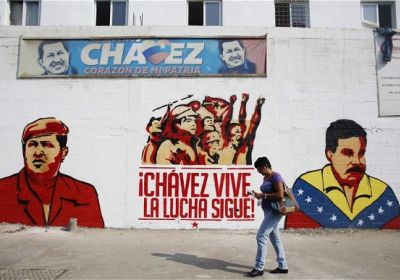
Had Hugo Chavez not passed away in 2013, the former Venezuelan president and revolutionary socialist would have turned 61 on July 28. However, though Chavez is gone, his indelible imprint on Venezuela’s political landscape endures.
-
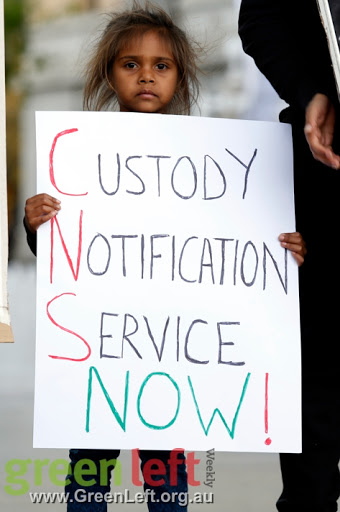 The anniversary of the death in custody of 22-year-old Aboriginal woman, known as Julieka Dhu, was marked around Australia on August 4.
Dhu died while in police custody in Western Australia’s Pilbara region for non-payment of fines that totalled about $1000.
The anniversary of the death in custody of 22-year-old Aboriginal woman, known as Julieka Dhu, was marked around Australia on August 4.
Dhu died while in police custody in Western Australia’s Pilbara region for non-payment of fines that totalled about $1000.
-
 Turkish police repress protests against Erdogan's renewed war.
The outcome of Turkey’s June 7 parliamentary elections promised so much.
Turkish police repress protests against Erdogan's renewed war.
The outcome of Turkey’s June 7 parliamentary elections promised so much.
-
-
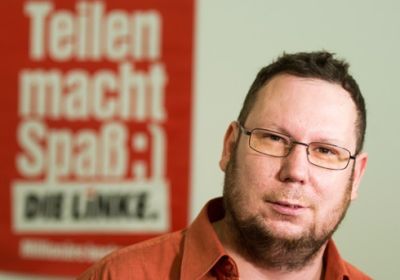 Just after midnight on July 27, a bomb exploded in the car of left-wing politician and refugee activist Michael Richter in the town of Freital on the outskirts of Dresden in eastern Germany. Richter, a 39-year old town councillor for the socialist party Die Linke (The Left) was not in the car. No one was harmed by the blast, which also damaged a nearby car. Police are yet to assign blame, but Richter is certain the attack came from right-wing groups in the area, who have threatened him repeatedly in recent months over his campaigning work for refugees.