
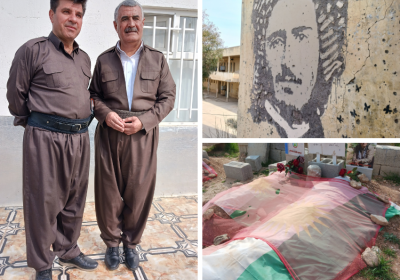
Marcel Cartier recently spent time with leading figures of the Democratic Party of Iranian Kurdistan (PDKI), on a visit to Iraqi Kurdistan.
Marcel Cartier recently spent time with leading figures of the Democratic Party of Iranian Kurdistan (PDKI), on a visit to Iraqi Kurdistan.
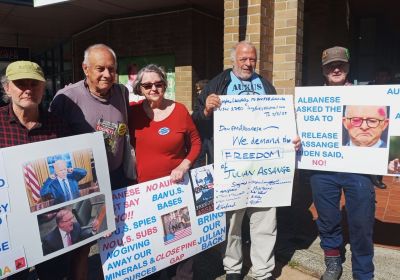
A giant letter demanding Anthony Albanese push harder to have Julian Assange released from Belmarsh Prison was read out, outside the Prime Minister's electorate office. Stephen Langford reports.

Green Left journalists Isaac Nellist and Chloe DS go through the latest news from across the continent and around the world.
Ten million workers are struggling but Australia’s national net wealth, if redistributed, could end the crushing poverty which directly accounts for at least 10% of the suicide toll. Gerry Georgatos reports.

Suzanne James asks if Australia can really find its way back to Whitlam-style free education policy when so many are ensnared in a hunger-games economy, driven by the greed of the privileged, privately-educated few?
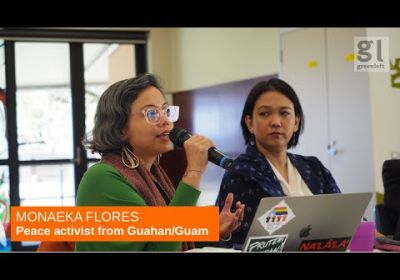
Guahan (Guam) peace activist Monaeka Flores explains why she fights United States militarism and the expanding bases on her Pacific island nation and around the world.

One of the concerns of First Nations activists in the progressive No camp is that the Voice will not be truly representative. They have reason for concern, argues Peter Boyle.
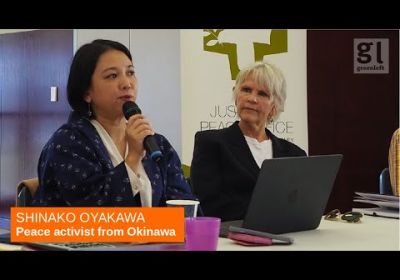
The expansion of United States military bases in Okinawa, other islands in Japan, Guahan/Guam and Australia is a deadly threat to peace and to indigenous communities, warns Okinawa peace activist Shinako Oyakawa.

The Sydney Climate Coalition organised a well-attended full-day conference to discuss how to build a strong enough climate movement to force Labor to act. Jim McIlroy reports.
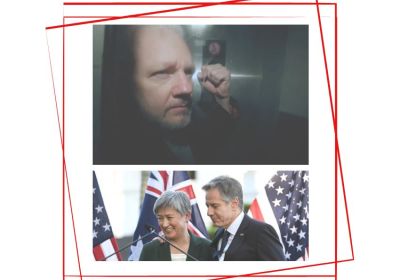
The recent AUSMIN talks showed up just how fast Australia is being a client state of the United States, argues Binoy Kampmark.
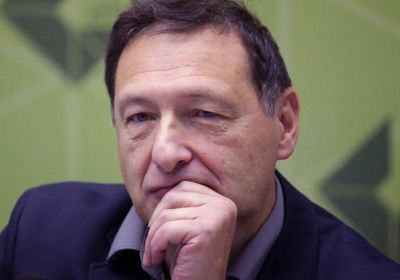
Socialist Alliance adds it voice to the growing international chorus demanding the immediate release of Russian socialist Boris Kagarlitsky and the dropping of the trumped-up charge of “justifying terrorism”.
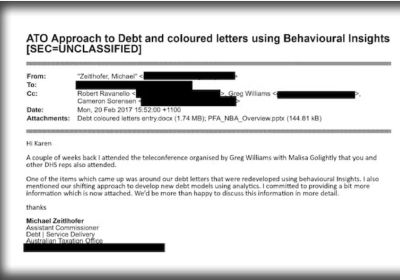
The Robodebt letters were deliberately designed without a phone number for people to call, the intention being that they quietly pay up online. Peter Martin reports on the sinister science behind such decisions.