
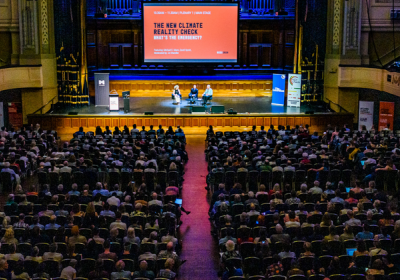
While many radicals attended the National Climate Emergency Summit, they were not asked to present which, as Hans A Baer writes, meant it showcased the market wing of the climate movement.
While many radicals attended the National Climate Emergency Summit, they were not asked to present which, as Hans A Baer writes, meant it showcased the market wing of the climate movement.
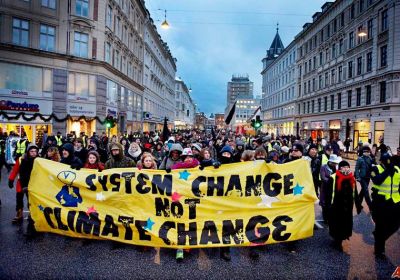
More people are saying “politics is broken” and it is not hard to see why. But, as Alex Bainbridge argues, fixing the situation will require breaking the enormous power fossil fuel corporations have over the major parties.
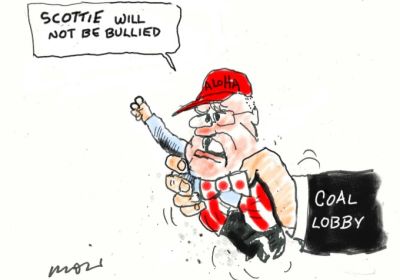
Bullying is never okay, and certainly not from the “lunatic fringe” inner city or “scientists”, writes Carlo Sands.
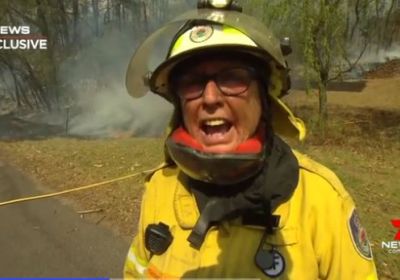
Rural Fire Service volunteer Robynne Murphy, who has been on the bushfire frontline since November on behalf of her local community on the NSW south coast, told Green Left: "I want this government brought down because they have no solutions".
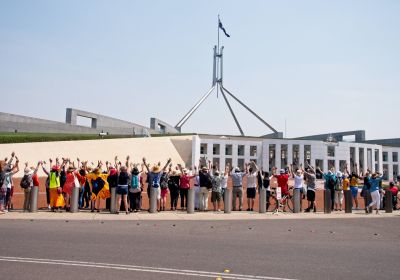
While political elites would have us believe that everything is under control, a political shift is taking place as a result of the bushfire emergency and lack of preparation by state and federal governments, writes Pip Hinman.
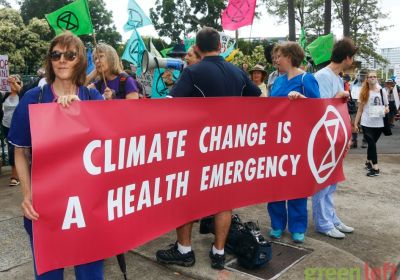
Extinction Rebellion organised a small but lively disruption of the opening of Queensland state parliament on February 4, reports Alex Bainbridge.
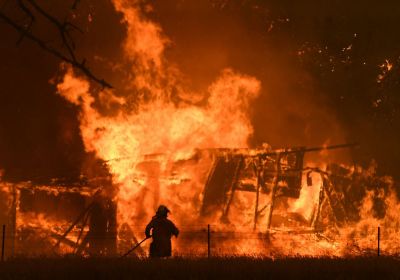
The sheer scale of the recent bushfires and their timing (during the summer school holidays) have had a crippling impact on many working people, including small business owners, and put the ongoing sustainability of rural communities at serious risk, writes Graham Matthews.
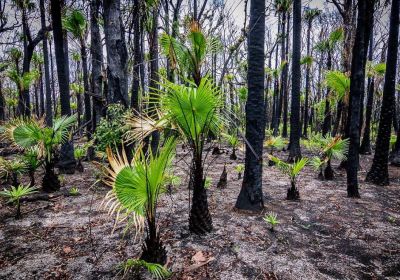
The federal government is pouring billions of dollars into its attempts to deal with the worst impacts of a climate crisis it prefers to ignore. Yet, as Elena Garcia explains, this money will never achieve its stated aim nor reach those who need it most.

The burden of responsibility for the climate crisis is often placed on poorer nations. But, as Chloe DS argues, the main culprits continue to be the rich and powerful 1%.

Animal rights activist in Melbourne have harmed the climate movement and their own cause by attempting to stack meetings and ram through demands, argue Jacob Andrewartha and Sue Bolton.
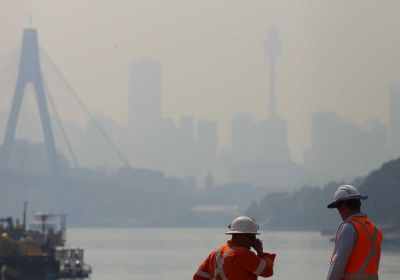
Leo Crnogorcevic takes a look at how Prime Minister Scott Morrison’s business-as-usual approach on the climate crisis is increasing risks for workers who are already inadequately protected when it comes to extreme weather conditions.

Speaking at the National Press Club on January 29, Morrison said: “I want households and businesses paying less for their electricity and I want to continue to get emissions down — this deal does both.”
But, as Margaret Gleeson argues, there is no evidence it will do either.