-
In 2000, renewable energy made up just 6.3% of Germany's electricity. By last year, it had risen to 31%. Cloudy Germany became a leading innovator in solar energy. It did so not by subsidising large power utility companies, but by mobilising hundreds of thousands into energy cooperatives. The two legs of this democratic energy transition are Germany's commitment to phase out nuclear power and its feed-in tariffs, which allowed small renewable energy producers to sell their electricity. -
Climate change is not just a scientific or technical problem, nor can it be solved in the “usual” way. Instead, people need to get organised and develop solutions that improve lives and communities as well as protect the environment. This was the central theme behind the “Creating a climate for change” public meeting held on August 11 in the Northcote Town Hall. The meeting was organised by the Melbourne Playback Theatre Company and Darebin Climate Action Now. -
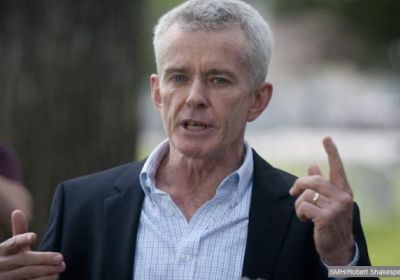
Some would have seen One Nation Senator-elect Malcolm Roberts' performance on ABC's Q&A on August 15. He went hammer and tong repeating ad nauseum that academics are doctoring the science, that the major science bodies are corrupt and that the science on climate change is anything but settled. Here is one small excerpt from his exchange with British physicist Brian Cox: Roberts: “I'm saying ... two things. First of all, that the [climate] data has been corrupted and we know that the 1930s were warmer than today.” -
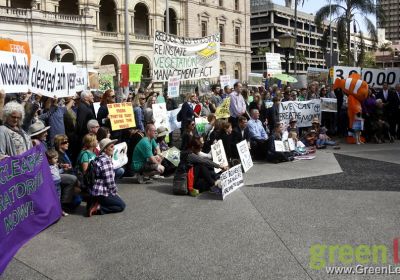
At least 170 people protested against land clearing outside the Queensland parliament on August 17 ahead of a bill which would have required landholders to prove they had not illegally bulldozed their land.
-
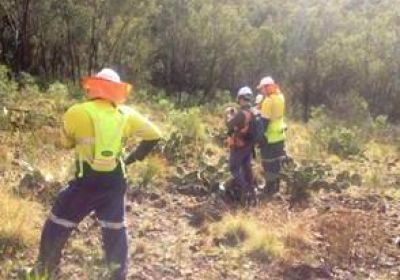
Korean state-owned miner KEPCO and its contractor Worley Parsons were prosecuted by the NSW Department of Industry's Division of Resources and Energy (DRE) in March, after it was revealed the companies had used fake photographs purporting to be of a Bylong property at which they were seeking permission to drill for coal. The photographs were not of the property, and showed an environment completely unlike the area they were seeking permission to drill in. When DRE was alerted to this by the affected landholder, charges were laid against the companies. -
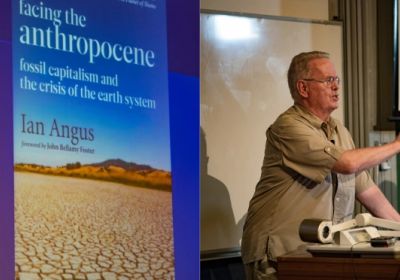
We are living in a time of unparalleled ecological breakdowns and the crisis is much worse than most people realise. There are other books that tell this harrowing story, but Ian Angus's Facing the Anthropocene is different.
-
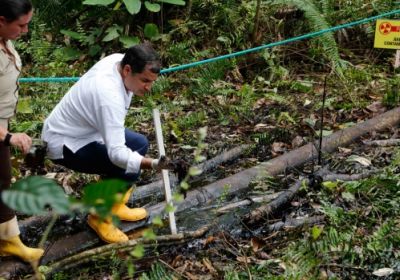
A United States federal appeals court ruled on August 8 in favour of the oil giant Chevron in a case that dates back more than 20 years. The ruling blocks an Ecuadorean indigenous community from collecting a judgement of nearly US$8.6 billion for environmental damage to the Amazon rainforest.
-
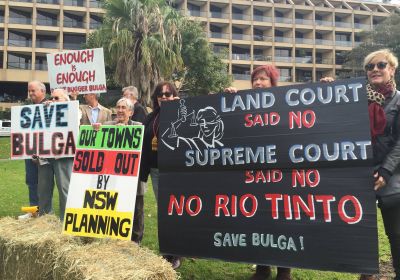
More than 200 people gathered in Sydney's Domain on August 7 to mark the symbolic founding of "New Bulga" behind the NSW State Parliament building.
-
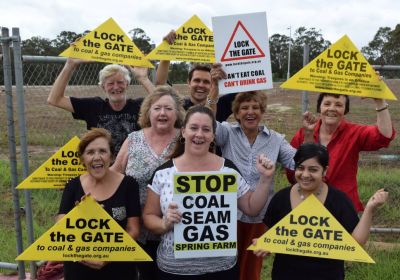
As AGL announced a $400 million loss on August 10, anti-gas protesters assembled outside its headquarters to demand it close its Camden coal seam gas (CSG) project in south-west Sydney.
-
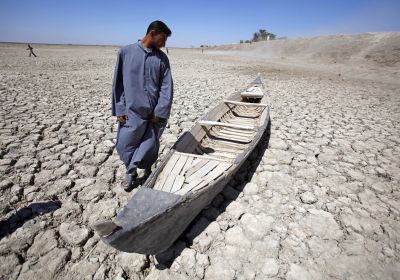
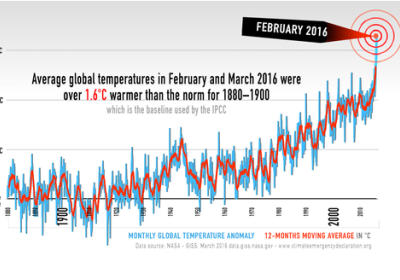
A new climate report released on August 3 by the US National Oceanic and Atmospheric Administration (NOAA) confirms the world is hot and getting hotter.
-
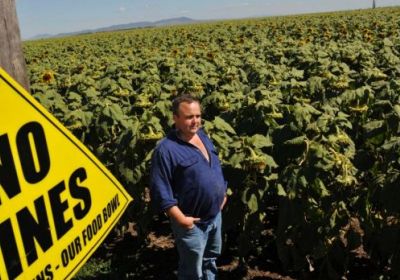
Liverpool Plains' farmers are celebrating the New South Wales state government's decision, on August 11, to buy back BHP Billiton's Caroona coalmine licence for $220 million. This comes after a struggle that began in 2008, when farmer Tim Duddy and the local community began a blockade that put a spanner in BHP Billiton's efforts to start drilling operations on his family's Rossmar Park property. -
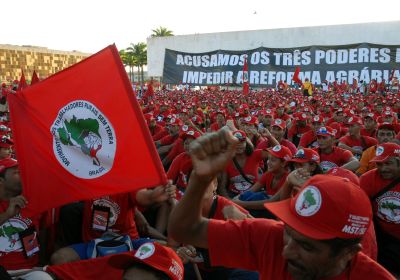
Industrial agriculture and financial sectors are hand-in-hand worsening climate change and then profiting from it, with an unprecedented number of land grabs over the last eight years, according to a report released in June.