-
In 2000, renewable energy made up just 6.3% of Germany's electricity. By last year, it had risen to 31%. Cloudy Germany became a leading innovator in solar energy. It did so not by subsidising large power utility companies, but by mobilising hundreds of thousands into energy cooperatives. The two legs of this democratic energy transition are Germany's commitment to phase out nuclear power and its feed-in tariffs, which allowed small renewable energy producers to sell their electricity. -
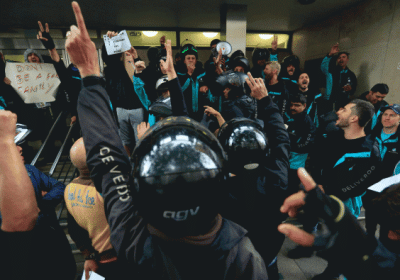
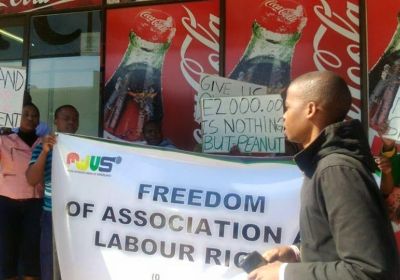
Striking couriers for online food delivery company Deliveroo won a “major victory” in getting bosses to promise that they will not be forced to work under a piece-rate system, their union announced on August 17.
-
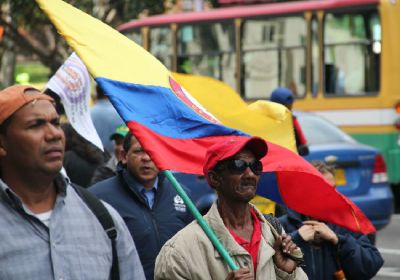
Colombia has just emerged from 50 years of civil war, but its future is still uncertain. Amid the optimism prompted by the peace deal between the leftist Revolutionary Armed Forces of Colombia (FARC) and the government of President Juan Manuel Santos, it is easy to assume the slaughter of trade unionists and other activists is a thing of the past. However, 534 people were murdered from 2011 to last year — 134 of those trade unionists — according to Justice for Colombia, the British trade union-based campaign against paramilitary violence against the Colombian labour movement. -
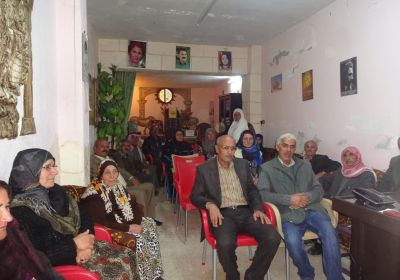
Hawzhin Azeez is member of Kobane Reconstruction Board in the largely Kurdish area of northern Syria and a former politics lecturer at Newcastle university. In Rojava, a profoundly democratic and revolutionary experiment is underway. A multi-ethnic, feminist and socialist-oriented society is being built from the ground up, organised around communes and other bodies of participatory democracy. -
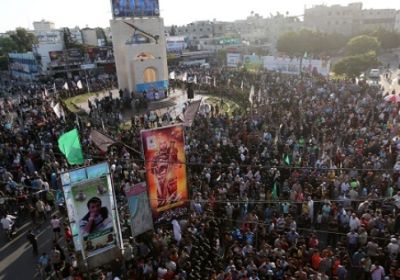
People in the Palestinian Gaza Strip said at least 30 Israeli airstrikes took place in the territory on August 21. The air strikes came after a rocket was fired earlier in the day from the territory into Israel, landing in an open area and injuring no one.
-
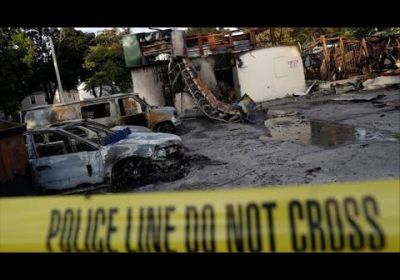
The death of yet another Black man at the hands of police — this time in Milwaukee on August 13 — touched off nights of rebellious protests as crowds of people confronted officers and demanded justice. The bitter discontent was years in the making. It is the result of systematic racism and discrimination that has left Black residents in Wisconsin's largest city as second-class citizens.
-
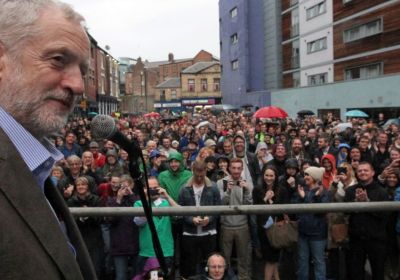
Despite a range of undemocratic measures by the Labour Party establishment in the face of hundreds of thousands of new members enthused by Labour leader Jeremy Corbyn's left-wing politics, Corby n looks set to win Labour leadership elections that finish on September 21.
-
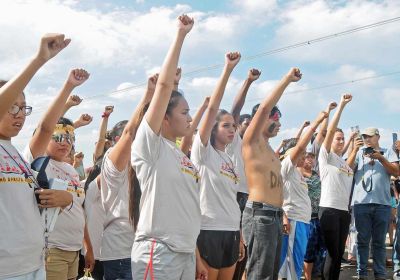
Despite ongoing resistance by the Standing Rock Sioux Tribe, a North Dakota federal court has ordered the indigenous group to stop their blockade protests against a US$3.8 billion oil pipeline.
-
Members of the Media Workers Union of Swaziland (MWUS) protested low wages, management intimidation and poor working conditions at the Swazi Observer. Negotiations between the paper, in effect owned and controlled by absolute monarch King Mswati III, and MWUS had started in April. But no real progress has been made since they became deadlocked in June. -
The US’s first Black swimmer to win a gold medal, Simone Manuel, dedicated her win to ending police brutality on August 11. Manuel tied with Penny Oleksiak from Canada at 52:70 to win gold in the 100 metre freestyle race at the Rio games that day.
-
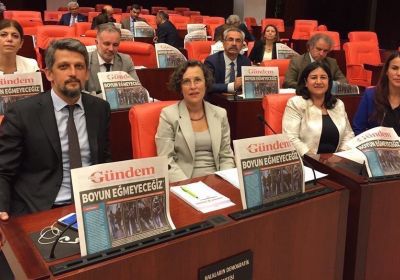
This statement was released on behalf of the Peoples Democratic Party (HDP) on August 17.
-
"And, no, it's not going to end today. I can't tell you it's going to end tomorrow. I don't know when it's going to end. But it's for y'all to start." This is what Sedan Smith, the brother of Sylville Smith, the 23-year-old African American man shot dead by police, told Democracy Now! on August 15. "This is what you get! We're not the ones killing us! You're killing us! We can't make a change if you all don't change."