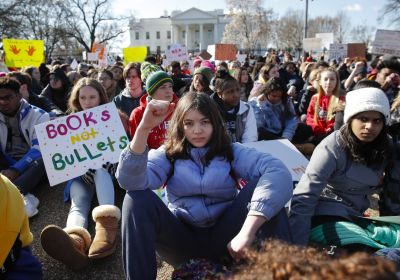
Students, parents and teachers walked out of thousands of high schools across the United States on March 14 to demand legislative action to address gun violence.
Students, parents and teachers walked out of thousands of high schools across the United States on March 14 to demand legislative action to address gun violence.
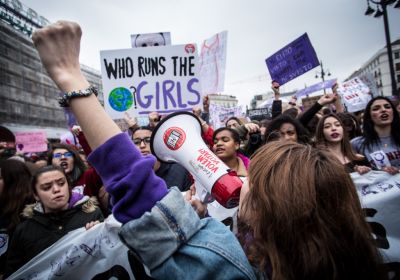
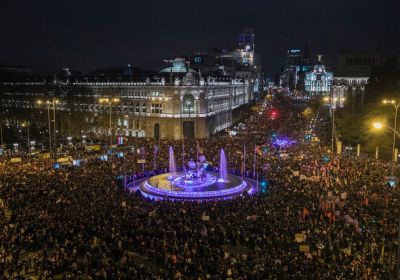
Of all the International Women’s Day (IWD) demonstrations held in an unprecedented 177 countries on March 8, the Spanish state stood out as the site of the largest mobilisation for women’s equality. In fact, it was the greatest mobilisation for women’s right in history, with almost 6 million people — overwhelmingly women — striking and demonstrating in about 120 cities and towns.
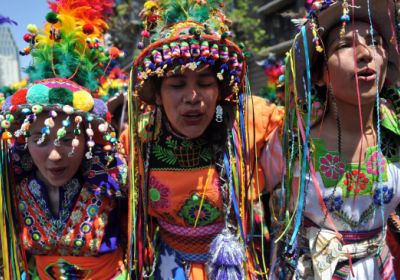
Chile’s new president, Sebastian Piñera, of the right-wing party National Renewal (RN), has announced that he plans to “modernise” the country’s Anti-Terror Law.
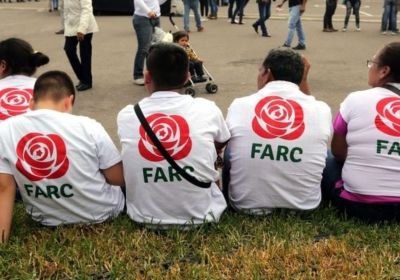
Colombia’s Revolutionary Alternative Force for the Commons (FARC) said on March 8 it was cancelling its presidential election bid.
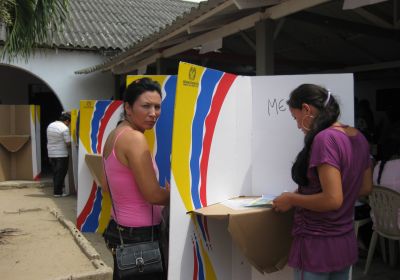
Amid several controversies in the voting process, Colombians went to the polls on March 11 to elect 166 legislators to the House of Representatives and 102 senators.
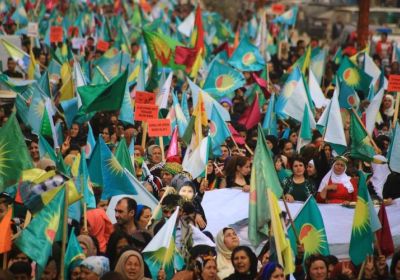
Northern Syria (also known by its Kurdish name of “Rojava”) has been the scene of a social revolution with women’s liberation at its centre in recent years. However, it has come under constant attack.

In January, cryptocurrency Bitcoin dropped from a high of US$19,850 to US$6000. It has since risen to a more stable value of about US$10,000, but the wild ride of Bitcoin is a dangerous development in capitalism that should make us wary.
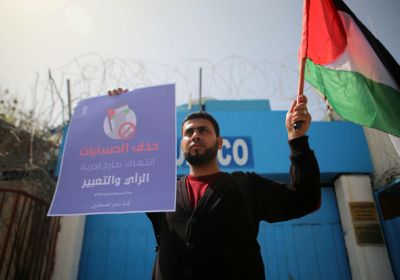
Dozens of Palestinian journalists protested social media giant Facebook on March 5, criticising its routine blocking of accounts from the Middle Eastern country.
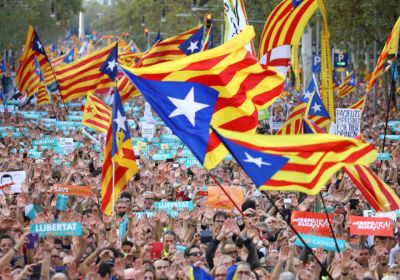
After the December 21 Catalan election reconfirmed a majority for pro-independence forces, it seemed inevitable a new government would soon be formed. More than two months later, however, the spectre of a repeat election haunts Catalonia.
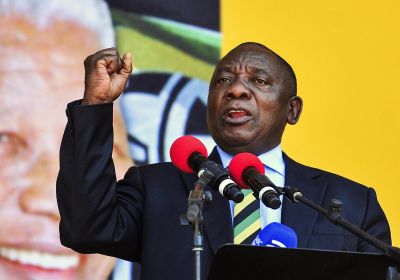
New South African President Cyril Ramaphosa made headlines when the ANC leader backed legal changes that could allow land reform to redistribute land from traditionally powerful white owners to the Black majority.
But this populist posture aside, the new administration is seeking to deepen pro-corporate neoliberalism and austerity.
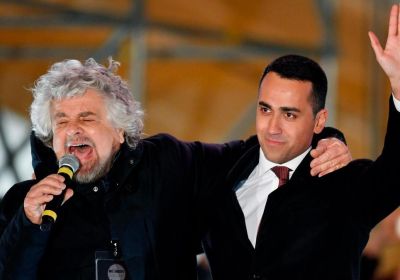
The results of Italy’s March 4 general elections paint an alarming picture. No one holds the numbers to form a new government alone and the situation is very puzzling and uncertain.