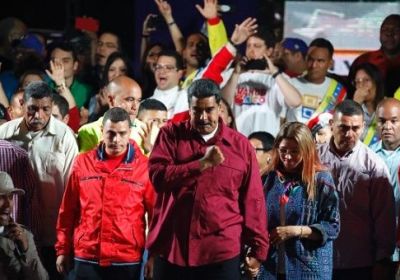
The Cambridge Analytica scandal has put data harvesting in the spotlight, but Tom Walker writes that the problem goes far beyond Facebook.
The Cambridge Analytica scandal has put data harvesting in the spotlight, but Tom Walker writes that the problem goes far beyond Facebook.
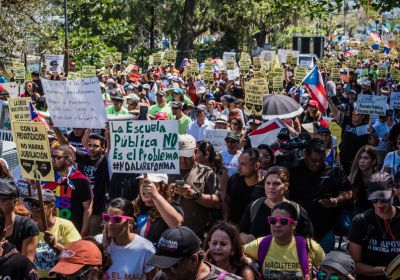
Large-scale teacher-led rebellions against cuts and for workers’ rights have broken out in US states such as West Virginia, Arizona, Oklahoma and Colorado. Although it has received less publicity, teachers are also rebelling in the US’s Caribbean colony of Puerto Rico.
Fighting to keep the island’s public schools open in the wake of the devastation caused by Hurricane Maria last year, teachers are boycotting standardised tests and even teaming up with parents to occupy their schools.
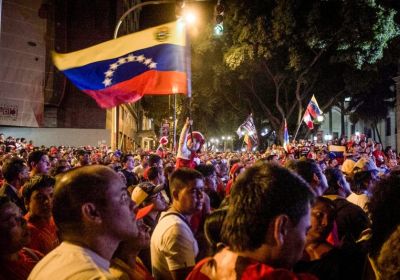
More than 300 international representatives from organisations such as the African Union, the Caribbean Community and the Electoral Experts Council of Latin America, as well as former heads of states, parliamentarians, trade unionists and solidarity activists, were present for Venezuela’s May 20 presidential vote. Among them was Eulalia Reyes de Whitney, a Venezuelan-born activist with the Australia Venezuela Solidarity Network (AVSN).
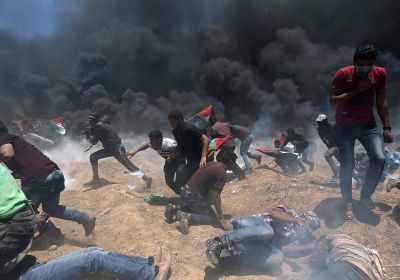
In just over 24 hours on May 14 and 15, the single greatest number of deaths and injuries of Gazans at the hands of the Israeli military since the start of the Great March of Return protests on March 30 occurred. Lisa Gleeson writes Israel’s latest crimes must be a catalyst to strengthen the struggle for Palestinian freedom.
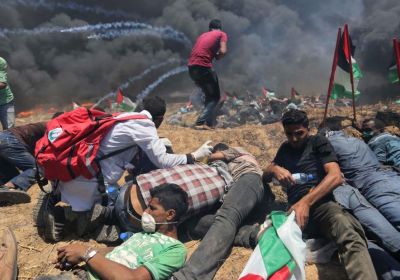
The world saw two starkly opposed moral cultures on May 14, writes Barry Sheppard.
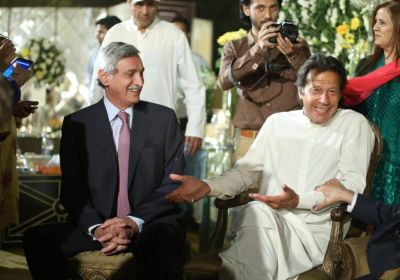
Large swathes of Pakistan are in the stranglehold of a caricatured feudalism, writes Farooq Tariq.

Voices from across South America have denounced Israel’s massacre of more than 50 Palestinians on May 14 and its ongoing repression of protesters participating in the Great March of Return that began in Gaza on March 30.
They have also condemned the United States’ decision to move its Embassy to Jerusalem and pledged support to the boycott, divestment and sanctions (BDS) campaign against Israeli apartheid.

For those who have been following Brazil closely in recent years, the case against former President Luiz Inacio Lula da Silva is clear-cut. And no, it’s not about tackling corruption, it’s about subverting Brazilian democracy for the second time in two years.
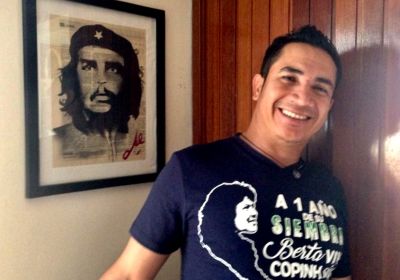
The recent uplifting news that 11 of the 21 political prisoners in Honduras would be released on bail and allowed to contest their charges in freedom has brought joy to their comrades but also brought into sharp focus the situation of those who remain locked up on false charges.
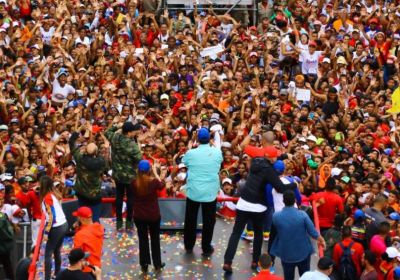
An international group of intellectuals and activists are demanding media corporations report on the May 20 Venezuelan elections in a more balanced and honest way, instead of reproducing the single narrative that is being spread by most media outlets.