

At a time when science should be guiding government policy, important climate research is under attack, reports Ben Radford.
At a time when science should be guiding government policy, important climate research is under attack, reports Ben Radford.

“Stop the cuts,” is the usual left response at budget time. But on the eve of the first budget to be delivered by the Anthony Albanese Labor government, there are three cuts we should support. Peter Boyle reports.

The United Nations Sub-committee on the Prevention of Torture had only just begun its long-awaited visit to check on detainees in Australia when it suddenly cancelled the visit. Paul Gregoire reports on the obstruction it faced while attempting to carry out its mandate.
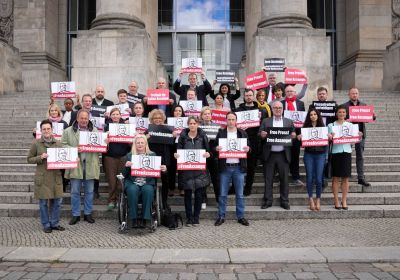
Jennifer Robinson, Julian Assange's lawyer, told the National Press Club that if the appeal fails and Assange is extradited to the US, his prison conditions will be at the whim of intelligence agencies which plotted to kill him. Binoy Kampmark reports.
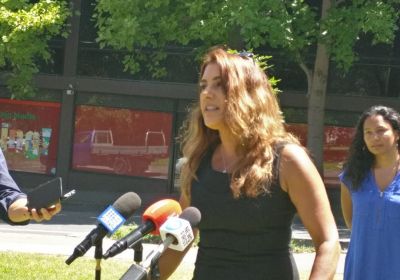
Make no mistake, DjabWurrung Gunnai Gunditjmara woman Senator Lidia Thorpe is under attack because of her militancy, argues Sue Bolton.
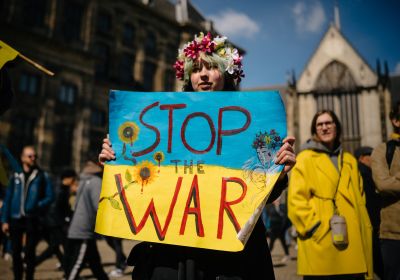
Socialist Alliance (Australia) adopted the following resolutions, on September 18, condemning Russia's attack on Ukraine, opposing NATO expansion and rejecting the war drive on China.
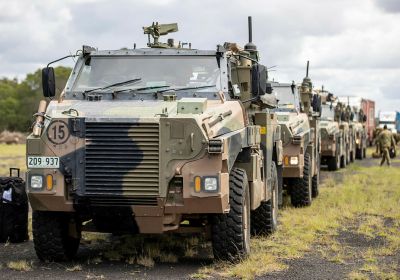
Peace activists in Australia should be demanding that Australia's Prime Minister listen to the just requests of the Ukrainian people and government, argues Federico Fuentes.

Progressives need to build support for the right of the peoples of the Pacific to self-determination, free from interference, including from our own government, argues Sam Wainwright.
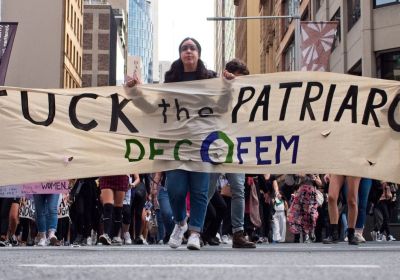
The Labor government has introduced new bills aiming to eliminate gender-based violence and sexual harassment in the workplace.
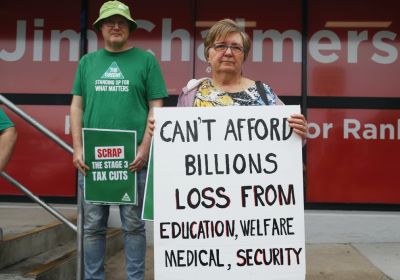
Federal Labor is softening us up for more budget cuts, as interest rates continue to climb and a recession looms. Sue Bull reports.
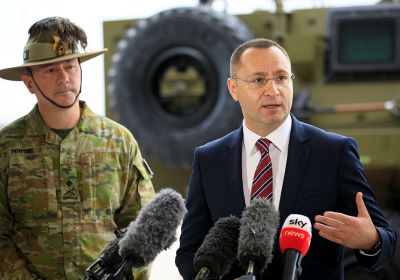
Australia’s slide towards war has continued since the May election, and Labor's war powers inquiry may do nothing to stop it. Alison Broinowksi reports.
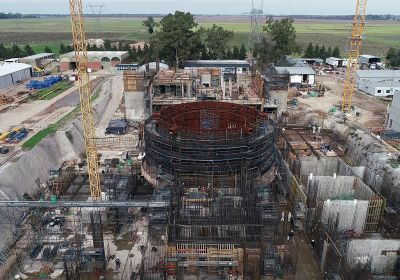
All state and territory governments are focused on the renewables transition, so why is the nuclear power “debate” refusing to die? Dr Jim Green investigates.