
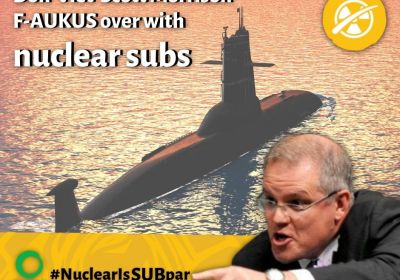
Activists challenge the federal government’s embrace of nuclear-submarine technology and the new AUKUS agreement. Bevan Ramsden reports.
Activists challenge the federal government’s embrace of nuclear-submarine technology and the new AUKUS agreement. Bevan Ramsden reports.
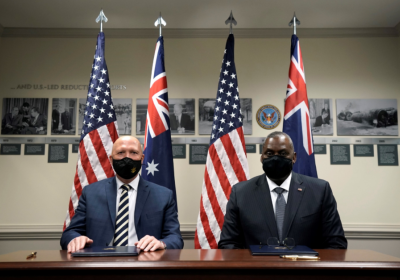
PM Scott Morrison has announced a new security ménage à trois with the United States and Britain. Binoy Kampmark reports on the latest developments in Australia's war alliance.
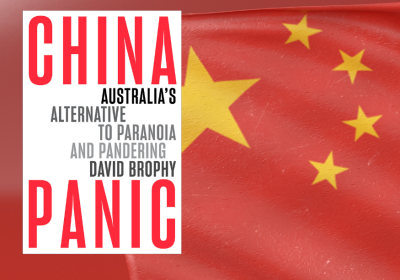
Chris Slee reviews David Brophy's new book, which looks behind the fear campaign about China, and the issues of human rights, the US-Australia alliance and economic rivalries.
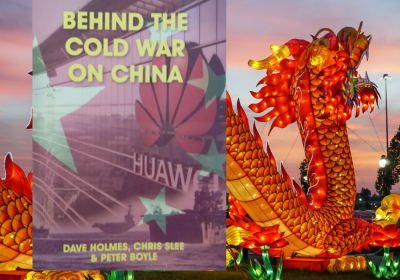
Jim McIlroy reviews Behind the Cold War on China, an important contribution to the current debate about China today.
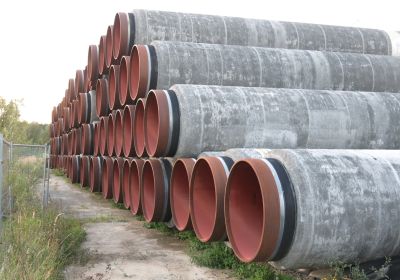
President Biden is attempting to shore up the US’ role as an international leader through multilateral agreements, with the expectation that Europe will fall in behind Washington, writes Barry Sheppard.
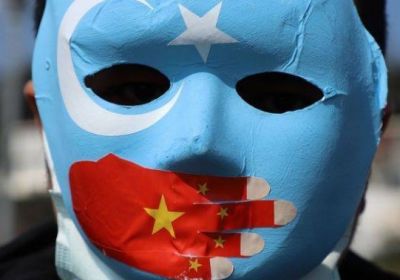
The opening of a new Chinese consulate in Adelaide was protested by contingents of ethnic and religious groups with deeply-felt grievances against China's government, writes Anne McMenamin.
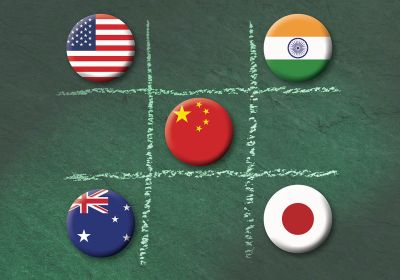
Rather than being “a force for global good”, the goal of the Quadrilateral Security Dialogue is to deepen military and economic pressure on China, writes Vijay Prashad.

Currency battles are a symptom of the race towards global inter-imperialist war, write Graham Drew and Kelvin McQueen

We need a clear-eyed understanding of the implications of current Chinese policies concerning Australia, argues Dave Bell.

China's restrictions on a range of Australian goods has come about because of Australia's double standard on human rights and its alliance with the United States, argues Chris Slee.
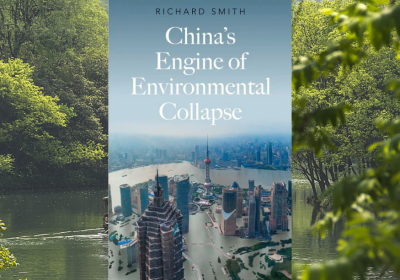
Chris Slee takes a look at a new book that explores the huge environmental cost of China's rapid economic growth over the past 40 years.

The atomic bombing of Hiroshima and Nagasaki was justified by lies that form the bedrock of the United States' war propaganda in the 21st century, writes John Pilger.