

Musician Oliver Simpson explains how hard COVID-19 has hit the arts industry, with its workforce largely comprised of freelancers and casual workers.
Musician Oliver Simpson explains how hard COVID-19 has hit the arts industry, with its workforce largely comprised of freelancers and casual workers.
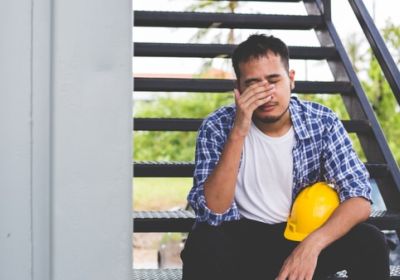
Unions have an opportunity to step up the campaign against casualisation, as more people can see how unfair the system is, argues Sarah Hathway.
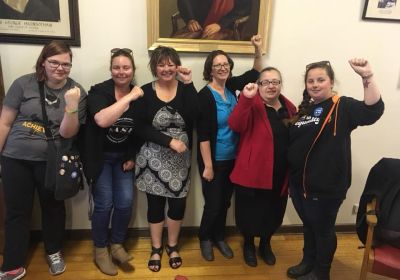
It might seem unusual to describe climate change as a feminist issue. But it uniquely and unequally affects women and girls in many ways, argues Zita Henderson.
Jim McIlroy reports unions are angry that Qantas has been handed a hefty bail-out while workers have been left on the scrap heap.
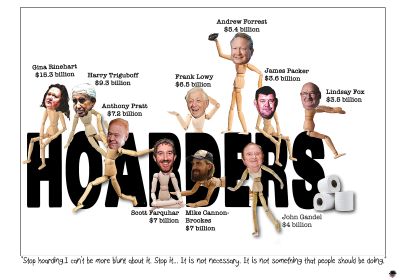
Panic buying is a normal response in a dog-eat-dog system that is clearly failing to meet essential needs, argues Sue Bolton.
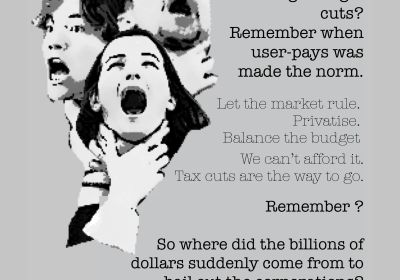
The government and corporate media are on a concerted push to divide us over who's to blame for the COVID-19 spread, argues Zebedee Parkes.
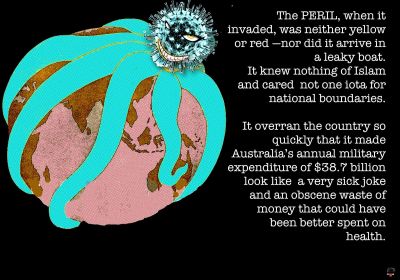
Peace groups want the deployment of United States marines to Darwin to be stopped, arguing there should be no special exceptions during th COVID-19 crisis, reports Kerry Smith.

The Coalition government’s second COVID-19 stimulus package allows workers to draw on their superannuation savings to meet immediate needs. It may sound generous but, as Lisbeth Latham argues, it shifts responsibility onto those already struggling.
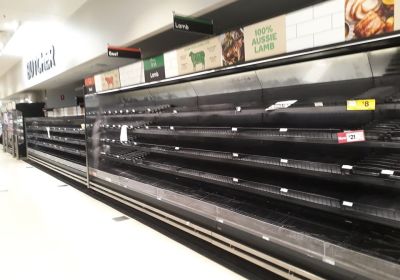
Claudia Forsberg writes the COVID-19 pandemic is unleashing anti-social behaviour that is especially impacting on vulnerable people.
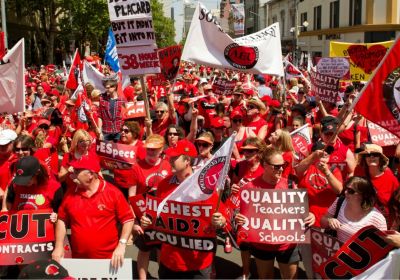
Debate over whether schools should be shut down to stop the spread of COVID-19 have focused on many aspects, but not enough on those who are the most likely to be exposed. Teachers union activist Mary Merkenich puts the case to close schools immediately.
Fresh from the bushfire crisis, communities across Australia are being asked — no, instructed — to “look after each other” during the COVID-19 crisis. That would be fine if governments were not making this simple thing so hard to do, argues Pip Hinman.

While many countries have closed schools as a measure to stem the rate of COVID-19 infection, public schools in Australia are to remain open in stark defiance of the “social distancing” requirements of almost every other aspect of social and economic life. Graham Matthews asks why?