

“Women who seek to be equal with men lack ambition.” That quote is often attributed to Marilyn Monroe, but was more likely said by psychologist and LSD guru Timothy Leary.
“Women who seek to be equal with men lack ambition.” That quote is often attributed to Marilyn Monroe, but was more likely said by psychologist and LSD guru Timothy Leary.

 Teachers protest outside the front of the Chicago Public Schools headquarters.
Chicago teachers staged a one-day strike on April 1 in a bid to get lawmakers to adequately fund education and other programs in the United States' third-largest school district.
Teachers protest outside the front of the Chicago Public Schools headquarters.
Chicago teachers staged a one-day strike on April 1 in a bid to get lawmakers to adequately fund education and other programs in the United States' third-largest school district.
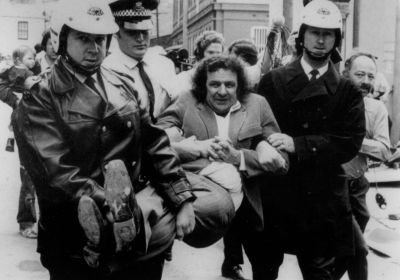
New at Links International Journal of Socialist Renewal: The NSW BLF, the most radical and innovative union the world has ever seen, Overthrowing Dilma Rousseff: It's class war, and their class is winning

Hundreds of thousands of French workers and students joined a general strike on March 31 against their government's attacks on hard-won workers' rights, Morning Star Online said the next day. Protests erupted across France against proposed sweeping attacks on workers' rights, shutting down dozens of schools, transportation and the Eiffel Tower.
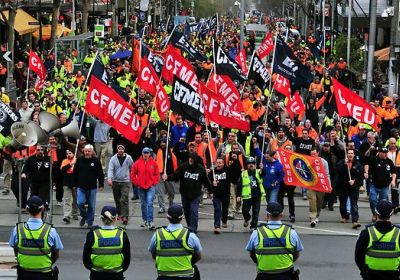
In all the media hype about Malcolm Turnbull's recalling of parliament in April and talk of a double dissolution election, it is easy to lose sight of the “trigger” — the Australian Building and Construction Commission bill (ABCC bill). I recently heard an ABC Radio National commentator talking about the use of the ABCC bill as the trigger.



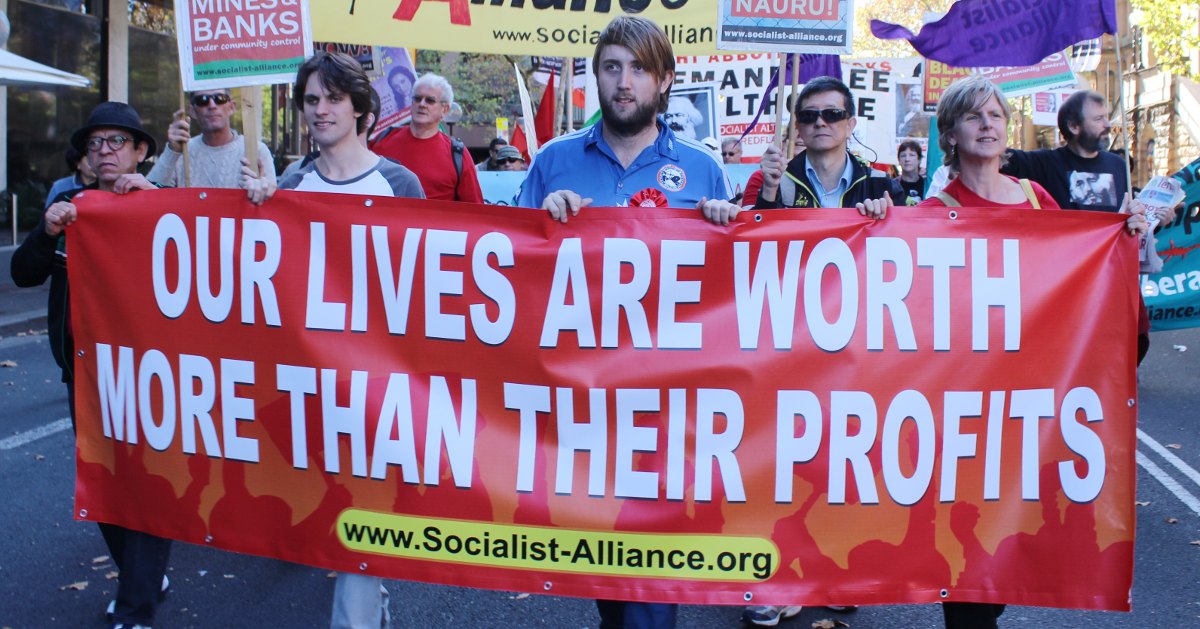 Liberal and Labor politicians, who govern for the big corporations at the expense of people, have overseen decades of cutbacks to social services, privatisations and attacks on our democratic rights.
The neoliberal consensus has meant that our public health and education systems have been starved of funds and semi-privatised. It has also meant that our working lives are less secure and our work rights have been undermined.
Liberal and Labor politicians, who govern for the big corporations at the expense of people, have overseen decades of cutbacks to social services, privatisations and attacks on our democratic rights.
The neoliberal consensus has meant that our public health and education systems have been starved of funds and semi-privatised. It has also meant that our working lives are less secure and our work rights have been undermined.
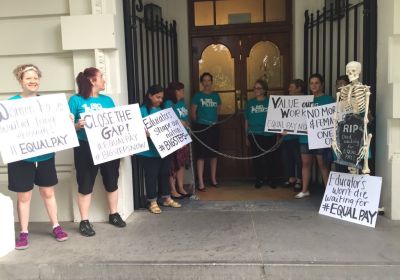
Childcare workers chained themselves to the entrance doors of Prime Minister Malcolm Turnbull's Melbourne office on International Women's Day, March 8 to demand better pay for the mainly women who work in the industry.