It has never been a deadlier time to defend one’s community, way of life or environment, especially in Latin America.
-
-
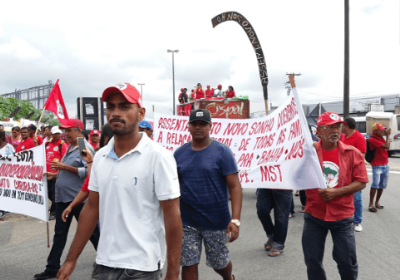
Members of the Rural Landless Movement (MST) protested in front of Brazil's Federal Supreme Court (STF) on July 21, to demand former Brazilian President Luiz Inacio Lula da Silva be release from prison and allowed to register as a presidential candidate in the October general elections.
-
-
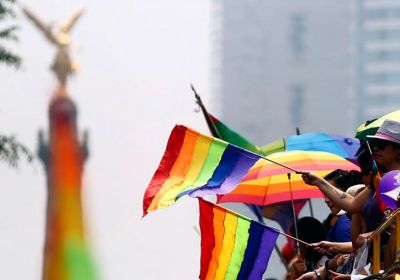
While there have been some major legislative advances for LGBTI rights in Latin America, there is still much to be done, writes Erin Fiorini.
-
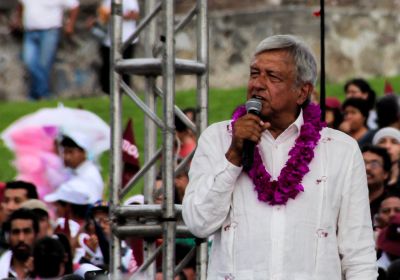
Mexico’s left-wing Morena movement stormed the presidency and appeared poised to flood both houses of congress, despite an election marred by violence and allegations of irregularities.
-
-
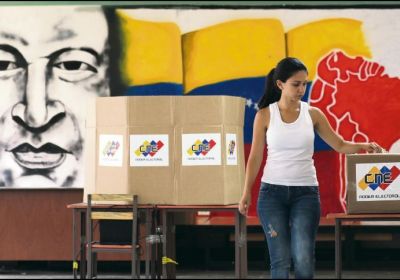
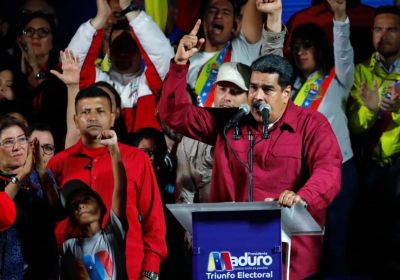
The refusal by presidential candidate Henri Falcón to recognise the results bodes poorly for Nicolas Maduro’s new term as president. The consolidation of a moderate bloc within the opposition that Falcón represented — which recognises the government’s legitimacy — would have significantly cut into the strength of the more intransigent or radical parties on the right and provided Venezuelan politics with much needed stability.
-
-
-
-
-
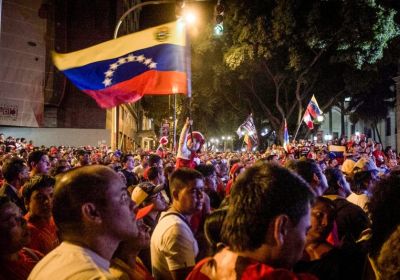
More than 300 international representatives from organisations such as the African Union, the Caribbean Community and the Electoral Experts Council of Latin America, as well as former heads of states, parliamentarians, trade unionists and solidarity activists, were present for Venezuela’s May 20 presidential vote. Among them was Eulalia Reyes de Whitney, a Venezuelan-born activist with the Australia Venezuela Solidarity Network (AVSN).