-
-

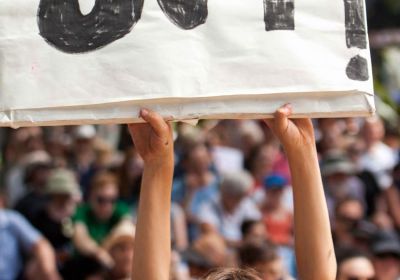
The Occupy movement, which started as a protest against Wall Street, but ballooned across the US and internationally in 2011, adopted the slogan “We are the 99%” to symbolise the struggle for a better world against the greed of “the 1%”. Some people at the time thought it was an exaggeration to talk about the 1% versus the 99%, but according to Oxfam, since 2015, that richest 1% has owned more wealth than the rest of the planet combined.
-
-
-
-
-
-

Ultimately, the only way to ensure a secure future for jobs is to replace the whole capitalist system with one in which human need is prioritised above corporate profits.
-
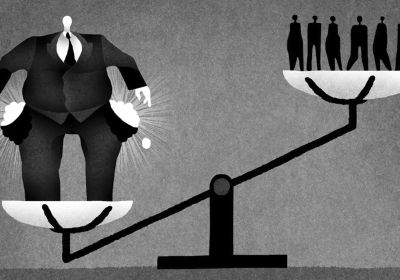 Last month I read an article that first appeared in the Huffington Post titled "X Marks the Spot Where Inequality Took Root: Dig Here". It explains how real wages in the US shadowed growth in productivity in the years after World War II. But in the mid-1970s wages growth completely stalled. If wages had continued to shadow productivity growth they would now be double what they are today. This explains a lot about contemporary US society: all the gains of increased productivity have been absorbed by the rich.
 -
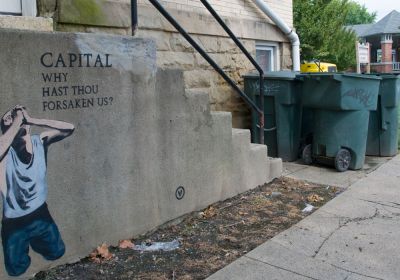 "WOW. This is something you don't often see. Goldman Sachs says it may have to question capitalism itself." So went the tweet from Bloomberg TV correspondent Joseph Weisenthal. I wondered what could possibly cause one of the world’s largest investment banks, a company that is heavily invested in capitalism (both literally and figuratively) to “question capitalism itself”? Why isn't this bigger news?
 -
 Green Left Weekly is marking its 25th anniversary this week, which is a truly remarkable achievement for an independent paper without corporate funding — and one that could not be achieved without a lot of hard work over many years by more people than could be named.
 -
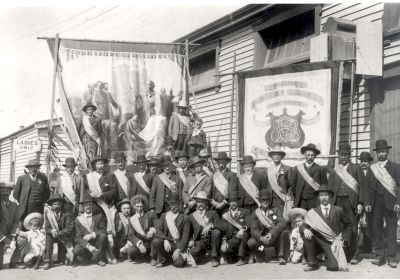 During the 1890s the Australian colonies were ravaged by unemployment, industrial conflict and misery. Economic conditions became so bad there was a determined attempt to create a different society, a society that was protected from the ravages of capitalism. One such attempt was by journalist William Lane who, in 1893, had little difficulty in recruiting members to his new utopian society in distant Paraguay. This attempt was ultimately a failure, mainly due to Lane's demanding personality, but the idea of a new, fairer society lingered.
Capitalism
Capitalism