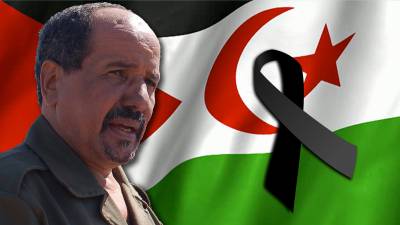
 Mohamed Abdelaziz. Photo: An Phoblacht.
Mohamed Abdelaziz, President of the Saharawi Arab Democratic Republic (SADR), died on May 31, following a long illness.
Mohamed Abdelaziz. Photo: An Phoblacht.
Mohamed Abdelaziz, President of the Saharawi Arab Democratic Republic (SADR), died on May 31, following a long illness.
-
Mohamed Abdelaziz. Photo: An Phoblacht.
Mohamed Abdelaziz, President of the Saharawi Arab Democratic Republic (SADR), died on May 31, following a long illness.
-
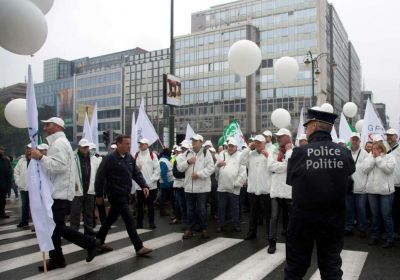
 A general strike rocked France in late May in the latest escalation of protests and workplace actions against the government's attempt to scrap long-standing protections for workers. The economy ground to a halt as dockworkers in port cities, workers in oil refineries and nuclear power stations, airport and Paris metro workers and many more took action. Workers took to the streets on May 26 with massive protests. Unions estimated that 300,000 people took part in demonstrations, including railway workers, postal workers, students, low-wage workers, the unemployed and retirees.
 -
-
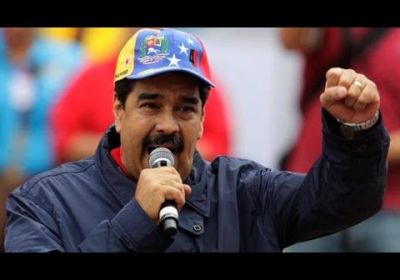
The Organization of American States has announced it will hold an emergency meeting to discuss whether to suspend Venezuela for violating the OAS Charter. OAS Secretary General Luis Almagro said on May 31 that Venezuela had suffered "grave alterations of democratic order."
-
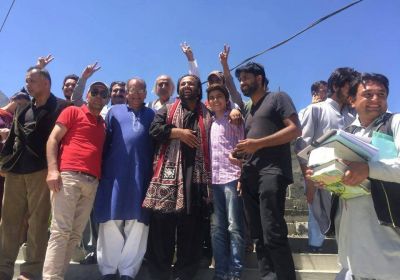
The voice from prison of Baba Jan, social activist and president of the Awami Workers Party (AWP) Gilgit-Baltistan, appears to be so frightening tothe Pakistan Muslim League/Nawaz (PMLN) government of Pakistan that it is using state machinery against Baba Jan's latest election bid from prison.
-
 Ian Angus at global launch of ‘Facing the Anthropocene: Fossil Capitalism and the Crisis of the Earth System’. Sydney, May 13.
-
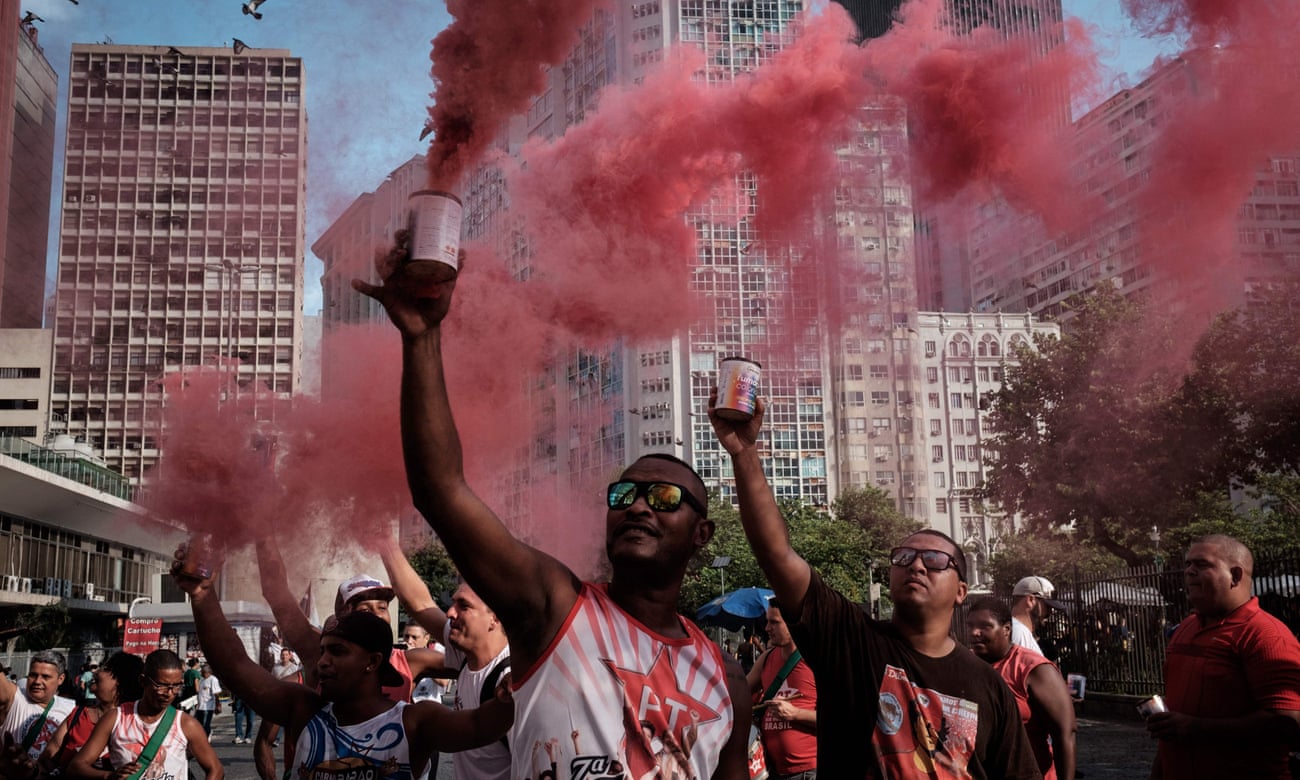 Anti-coup protesters on the streets of Rio de Janeiro in April.
In what has been widely condemned as a US-backed right-wing power grab to impose harsh neoliberal measures, Brazil’s Workers’ Party (PT) President Dilma Rousseff was forced to stand aside by Brazil’s Senate on May 12 while she faces impeachment procedures.
Anti-coup protesters on the streets of Rio de Janeiro in April.
In what has been widely condemned as a US-backed right-wing power grab to impose harsh neoliberal measures, Brazil’s Workers’ Party (PT) President Dilma Rousseff was forced to stand aside by Brazil’s Senate on May 12 while she faces impeachment procedures.
-
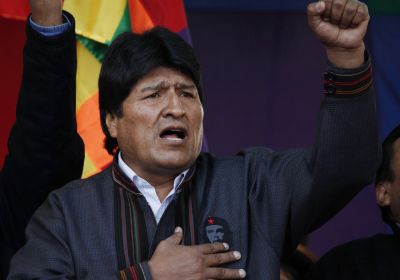 Socialist governments in Latin America must relaunch “democratic revolutions” in order to combat the strategies pushed by the United States to regain control of the region, Bolivian President Evo Morales said in an interview on May 23. “In some countries it should be like a wake-up call where [governments] must start permanent conferences to relaunch democratic and cultural revolutions for Latin America and the Caribbean [region],” Morales said in an interview with Cubavision.
 -
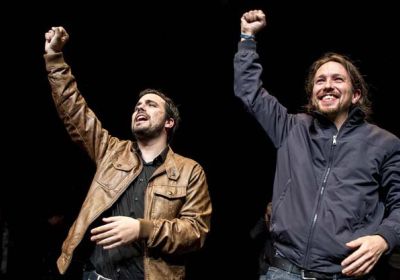
Five months after the December 20 election in Spain failed to produce a government, the country is returning to the polls in the most polarised contest since the end of the Franco dictatorship in 1977.
-
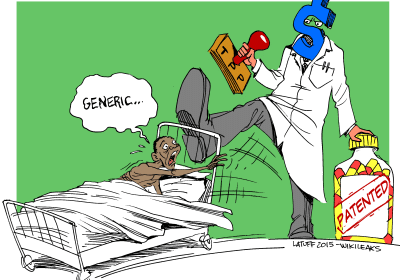 The three remaining presidential candidates — Republican candidate Donald Trump, and Democratic contenders Hillary Clinton and Bernie Sanders — have all come out against the Trans-Pacific Partnership (TPP) agreement in varying degrees. The TPP, a “free trade agreement” involving 16 Pacific Rim nations (including Australia), is an undisguised corporate power grab. However, all candidates in the US presidential election stress a reactionary argument against it.
 -
 Returning to the United States in an election year, I am struck by the silence. I have covered four presidential campaigns, starting with 1968; I was with Robert Kennedy when he was shot and I saw his assassin, preparing to kill him. It was a baptism in the American way, along with the salivating violence of the Chicago police at the Democratic Party's rigged convention. The great counter revolution had begun.
 -
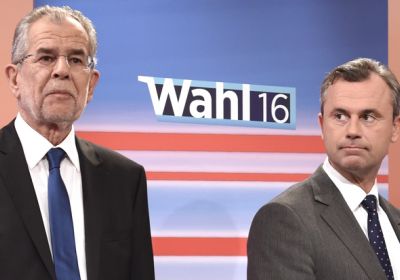 Austria elected its president on May 22 in the second round of voting, with the neoliberal green candidate Alexander Van der Bellen narrowly beating far-right Freedom Party (FPÖ) candidate Norbert Hofer with 50.3% of the vote. The FPÖ, a right-wing populist and authoritarian German nationalist party of former leader Jörg Haider, was founded in the 1950s. It was a political party for ex-Nazis who never broke with their Nazi tradition.