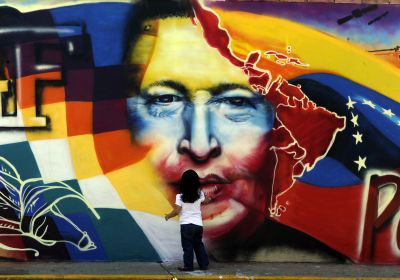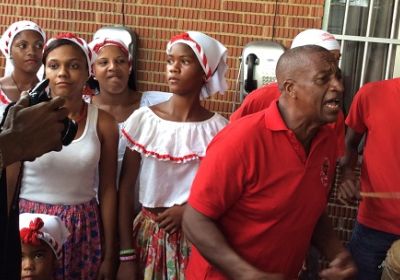
Having spent our first few days in Caracas, we travelled to Higurote, the capital of Brion municipality, in Miranda state, which is part of the coastal region known as Barlovento – a centre of African culture in Venezuela.
Having spent our first few days in Caracas, we travelled to Higurote, the capital of Brion municipality, in Miranda state, which is part of the coastal region known as Barlovento – a centre of African culture in Venezuela.
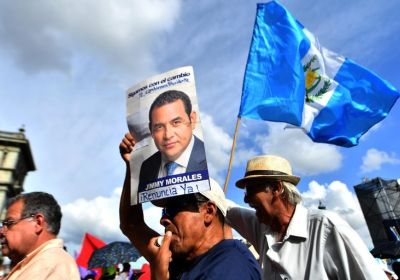
Since September 15, Guatemalans have taken to the streets of the capital, Guatemala City, to demand President Jimmy Morales' resignation.
Morales is being heavily scrutinised for seemingly interfering with a United Nations investigation after he expelled one of the agency's commissioners.
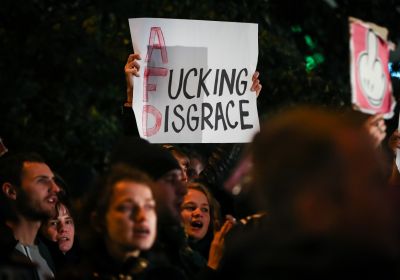
The picture that emerges from the German elections, held on September 24, is cause for concern on multiple fronts — especially in the surge to the neo-Nazi Alternative for Germany (AfD).
Alongside Chancellor Angela Merkel winning a fourth term and the clear defeat of the Social Democratic Party (SPD), the shadow of a resurgent neo-Nazism casts a serious threat not only for Germany itself, but all of Europe.
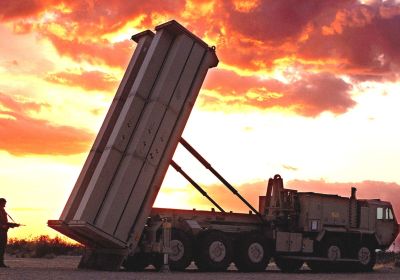
Over the past three months, the world has watched the escalating tensions between North Korea and the United States with growing alarm, writes Linda Pearson.
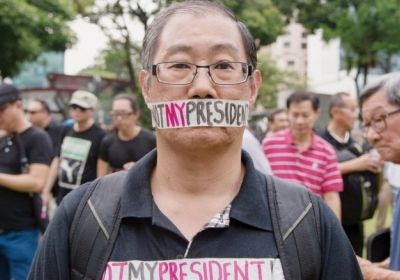
Singaporeans were officially informed of who their next president would be on September 11. Halimah Yacob, elected unopposed, will be the republic’s first female president in its 52-year history as a sovereign nation.
While the milestone of having a country’s first female president is often a lauded, the same cannot be said for Singapore. Underlying this landmark moment are a questionable series of events that left many Singaporeans feeling cheated and disillusioned about the state of Singapore’s democratic process.
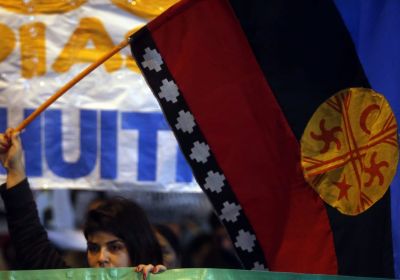
More than 2000 people demonstrated on September 26 in Chile's capital Santiago to support four Mapuche Indigenous community members who have been on hunger strike in prison for 113 days.
The four were charged under a controversial anti-terrorism bill passed during the dictatorship of Augusto Pinochet.
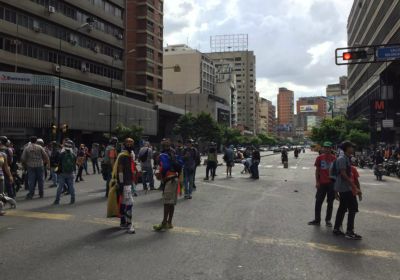
Venezuela’s right-wing opposition announced on September 26 that its representatives would not attend the upcoming round of exploratory talks that were set to be held in the Dominican Republic the following day.
The boycott came one day after a small group of masked opposition militants took to the streets of the wealthy eastern Caracas municipality of Chacao in renewed anti-government roadblocks.