
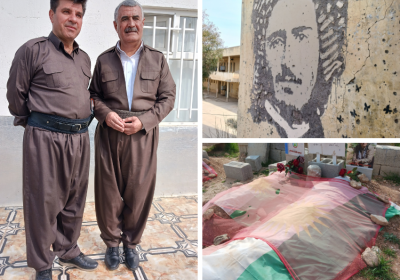
Marcel Cartier recently spent time with leading figures of the Democratic Party of Iranian Kurdistan (PDKI), on a visit to Iraqi Kurdistan.
Marcel Cartier recently spent time with leading figures of the Democratic Party of Iranian Kurdistan (PDKI), on a visit to Iraqi Kurdistan.
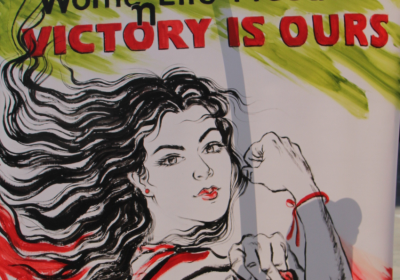
Mohammad Sadeghpour examines the balance of power between the people and Iran's theocratic regime and the tactics being used to attempt to divert the historic people's uprising.
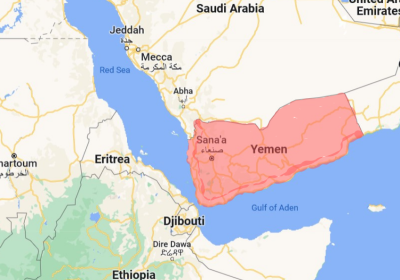
The eight year long Saudi war on Yemen looks, at long last, within reach of a resolution, reports Rupen Savoulian.

Dr Saeed Zeydabadi-Nejad discusses the significance of the revolutionary movement in Iran.
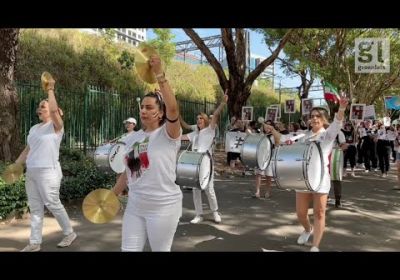
Peter Boyle reports that thousands marched through Sydney to demand democracy in Iran and justice for Jina Mahsa Amini.

The Iranian and Turkish governments have deported more than 240,000 Afghan refugees this year, in violation of international law, reports Ben Radford.
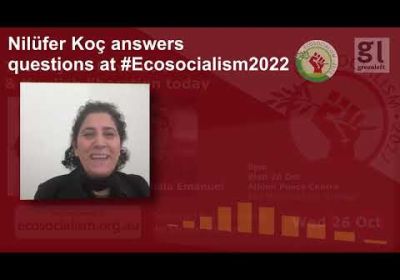
Nilüfer Koç, spokesperson for the Commission on Foreign Relations of the Kurdistan National Congress, spoke at the Brisbane session of Ecosocialism 2022. In the Q&A after her presentation, she answered questions on Ukraine, Iran and Rojava.
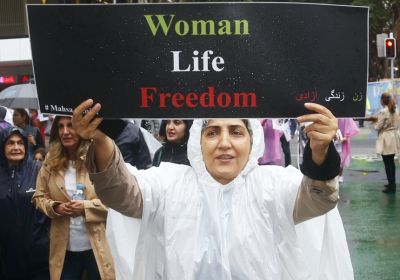
Various Ukrainian feminist activist groups and NGOs have signed a statement expressing their solidarity with the Iranian uprising.
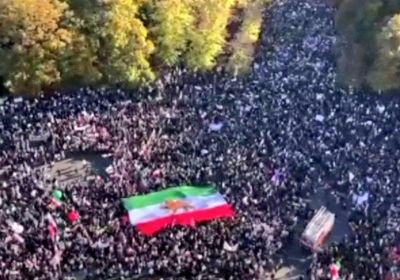
More than six weeks of protests in Iran show there is a real prospect of change, but the Iranian people need our urgent support, reports Peter Murphy.
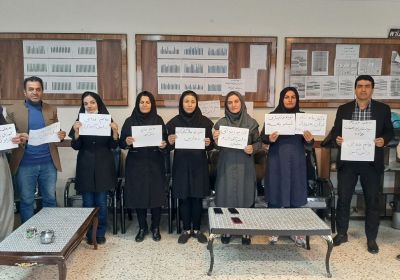
Iranian teachers staged a two-day strike on October 24, as anti-government sentiment continues to grow, reports Susan Price.
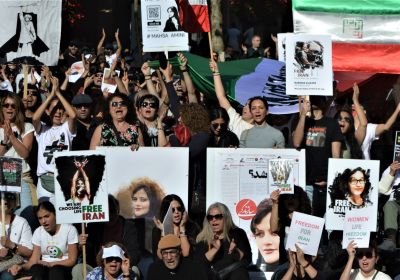
Marcel Cartier spoke to Communist Party of Iran leaders Marzieh Nazeri and Abbas Mansouran about the uprising that has been sweeping Iran for more than a month.
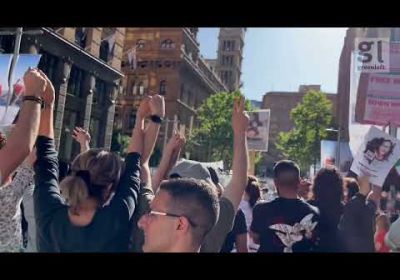
Hundreds at a rally in Martin Place were urged to keep organising solidarity actions with the feminist uprising in Iran that have now run for a month following the death in custody of Kurdish woman Jina/Zina Mahsa Amini. Peter Boyle reports.