
Toms River: A Story of Science & Salvation
Dan Fagin
Bantam Books, 2013
538 pages, $43.95 (hb)
In yet another chapter of the well-thumbed book of “corporate avarice and government neglect”, writes Dan Fagin, the town of Toms River in New Jersey, two hours south of New York, paid a high price in cancer for the pollution of the chemical giant, Ciba-Geigy.
-
-
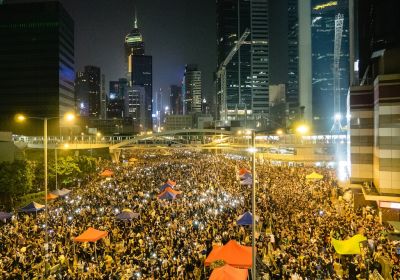 Amid ongoing large protests in support of democratic reforms, Chinese authorities warned of “chaos” on October 2 if protesters carried through their threat to storm Hong Kong government buildings if the region’s Chief Executive Leung Chun-ying did not resign, the Morning Star said that day.
 -
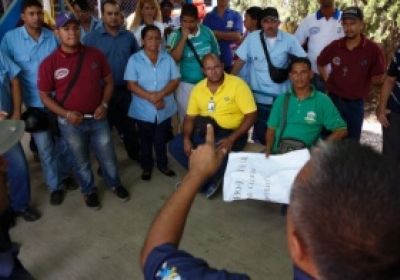 The Venezuelan government initiated a takeover of the abandoned Clorox factory on September 25, with Venezuelan Vice-President Jorge Arreaza calling an assembly of the company's 475 workers to reactivate the plant's activities. Clorox Venezuela called workers and left voicemails stating that their jobs were liquidated due to the company's decision to leave the country. The US-based company claims that economic challenges influenced its decision to close the factories doors.
 -
 Those who were expecting to see the supporters of Scottish independence dispirited ― and who hoped that the issue of independence was settled for at least a generation ― were quickly disappointed after the September 18 referendum. This defeat, in which the pro-independence vote lost by roughly 45% to 55%, bears the seeds of future victory ― for at least three reasons.
 -
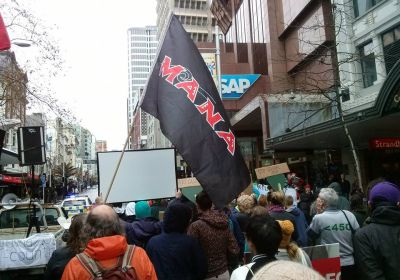 Staring down scandals related to revelations in a recently published book, Dirty Politics, and revelations of mass government surveillance, incumbent Prime Minister John Key led his right-wing National Party to become the first party with an outright majority in parliament since the current electoral system was set up in 1996. The Labour opposition, however, slumped to about 24% of the vote ― its worst result ever.
 -
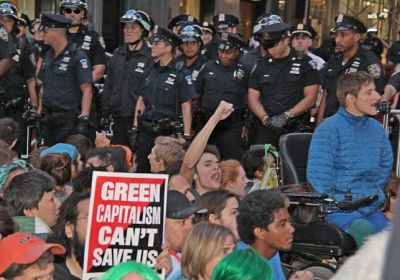 In her previous books The Shock Doctrine: The Rise of Disaster Capitalism (2007) and No Logo: No Space, No Choice, No Jobs (2000), Canadian author and activist Naomi Klein took on topics like neoliberal “shock therapy,” consumerism, globalisation and “disaster capitalism”. Klein extensively documented the forces behind the dramatic rise in economic inequality and environmental degradation over the past 50 years.
 -
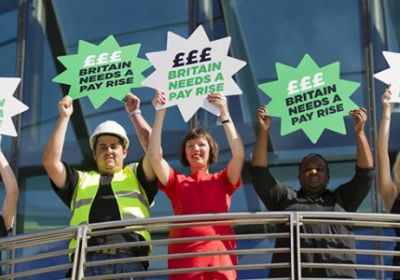 “Britain needs a pay rise!” That was the main running theme through this year’s annual congress of the Trades Union Congress (TUC) of England and Wales, which covers 6.2 million workers in 58 unions in England and Wales, held in Liverpool from September 7 to 10. Its key demand ― for a £1-an-hour wage rise across the entire public sector ― was the main factor behind the successful July 10 public sector general strike.
 -
Yet again, the Fair Work Building Industry Inspectorate (a federal government body set up to attack unions in the building industry) has launched legal action in the Federal Court against the Construction Forestry Mining Energy Union (CFMEU). The inspectorate said on September 12 that CFMEU organiser Theo Theodorou was alleged to have told the director of a demolition company wishing to work at a Carlton building site that: “as [the demolition company] is working in the city, it needs to obtain an enterprise agreement with the CFMEU for its employees”.
-
 A meeting of about 200 union delegates and activists, organised by Unions NSW on September 17, unanimously supported a call for statewide action against the federal budget to defend jobs, workers’ rights and services. Unionists concerned that Unions NSW was failing to lead a campaign against the budget attacks drafted the motion, which was moved from the floor. Initially, Unions NSW Secretary Mark Lennon told the group there would not be time to move the motion. However, just before the meeting closed the motion was put to the vote and unanimously supported.
 -
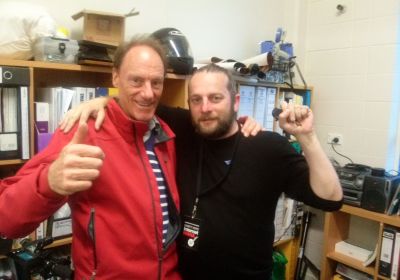 John Minto is a veteran New Zealand activist who became known as a leader of a powerful anti-apartheid campaign in the 1970s. More recently, he was part of organising some of the largest pro-Palestine demonstrations ever in New Zealand.
 -
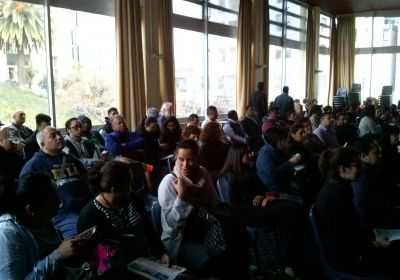
Laila Harre, the leader of the newly formed Internet Party, told a September 16 stop-work meeting in west Auckland organised by the FIRST and Unite unions, that state spying was not due to concerns about terrorism, but to target people who “organise for change”.
-
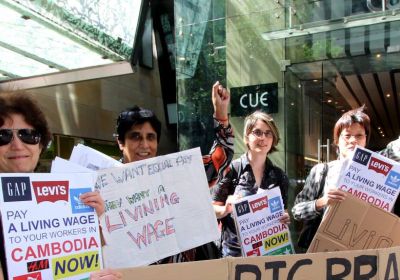 Activists demonstrated outside global big brand fashion outlets in the centre of Sydney's central shopping district on September 17 to demand that these companies pay the workers who make their products (in countries like Cambodia) living wages and respect their right to organise. Other solidarity actions in Australia were held in Canberra and Melbourne.