Two articles and a video presentation looking at Russia's two revolutions in 1917, Marx and Engels on ecology and Lukacs' views on alienation and class consciousness
Two articles and a video presentation looking at Russia's two revolutions in 1917, Marx and Engels on ecology and Lukacs' views on alienation and class consciousness
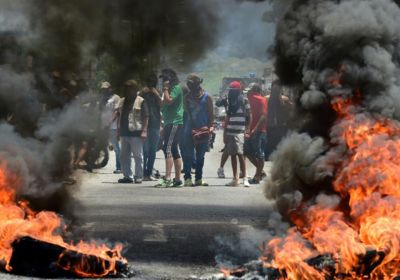
Stalin Perez Borges is an activist with LUCHAS (United League of Chavista Socialists) and a member of the Consultative Council of the Bolivarian Socialist Workers’ Central (CBST).
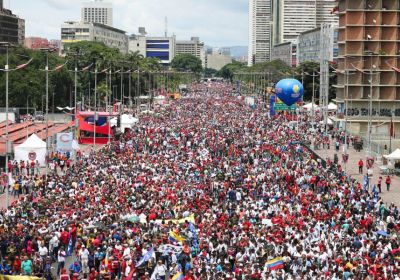
He spoke to Green Left Weekly’s Federico Fuentes about the July 30 elections for the National Constituent Assembly (ANC) and its subsequent inauguration, as well as the August 6 armed assault on a military base by right-wing opponents of Venezuela’s socialist government.
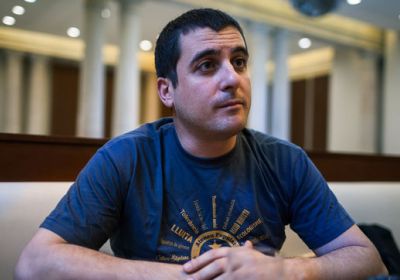
Quim Arrufat is a joint national spokesperson for the People’s Unity List (CUP), an organisation that he has likened to “urban Zapatistas” – in reference to the insurgent indigenous movement based in Chiapas, Mexico – that is committed to Catalan independence and socialism.
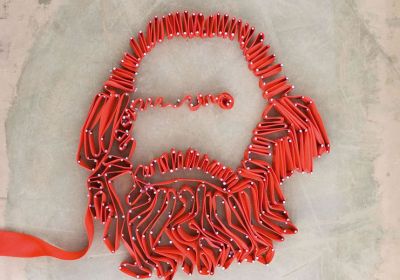
“The general idea of this little book is to understand and explain why Marx will still be read in the twenty-first century, not only as a monument of the past, but as a contemporary author — contemporary both because of the questions he poses for philosophy and because of the concepts he offers it,” French philosopher Etienne Balibar writes in The Philosophy of Marx.
With some reservations, I feel he achieves this goal. It is a thought-provoking book, but it may disappoint readers who seek either an introduction to Marx’s philosophy or a straightforward account of how Marx’s ideas can inspire focused political action in the 21st century.
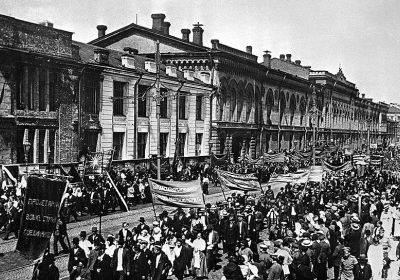
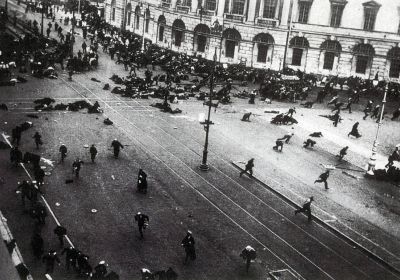
One hundred years ago in the aftermath of defeat of the July 16-20 [3-7 in New Style] protest movement by workers and soldiers, the Bolsheviks responded to the “July Days” setback by calling on the people to ignore provocations and expose rightist slander.
The wave of protests was repelled by military and police attacks, with hundreds of casualties, on the orders of the Provisional Government — the capitalist government that came to power after the February Revolution overthrew the Tsar and which was supported by the moderate socialists.
It was a key phase in the storm that swept Russia during 1917. This storm culminated in the October Revolution when, led by the Bolsheviks, the soviets (councils) of workers, soldiers and peasants took power, overthrowing the Provisional Government.