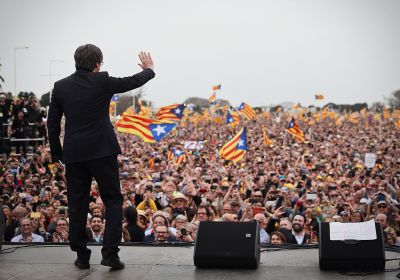
Whenever supporters of Catalan sovereignty and independence have been asked to travel far from home to champion their country’s democratic rights, they have always rallied to the cause, writes Dick Nichols from Barcelona.
Whenever supporters of Catalan sovereignty and independence have been asked to travel far from home to champion their country’s democratic rights, they have always rallied to the cause, writes Dick Nichols from Barcelona.
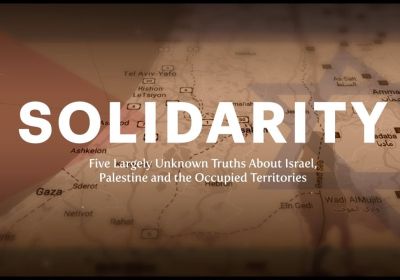
It is a feat to coalesce 72 years of struggle against displacement, apartheid and racism into an accessible 110-minute film, but Solidarity: Five Largely Unknown Truths about Israel, Palestine and the Occupied Territories manages this task well, writes Nora Barrows-Friedman.
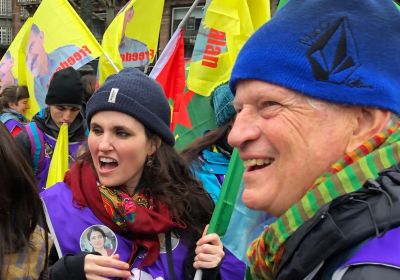
Veteran South Africa anti-Apartheid activist Sidney Luckett spoke to Green Left's Peter Boyle about the important link between South Africa's iconic freedom fighter Nelson Mandela and Kurdish leader Abdullah Ocalan.

Peter Boyle reports from Brussels that European left and green parliamentarians condemned Turkey's invasion of Rojava, the democratic autonomous liberated zone in North and East Syria, at an international conference on February 5–6.

Capitulation to the Spanish state has blown apart Catalonia's pro-independence alliance and forced an early election, writes Dick Nichols from Barcelona.
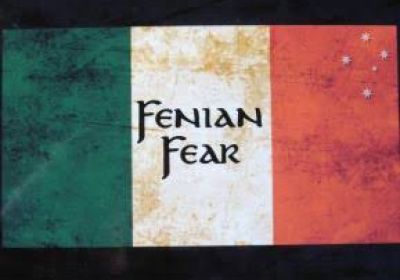
In Fenian Fear, author, historian and filmmaker Peter Murphy has written a work of historical fiction based on O'Farrell's real-life exploits.

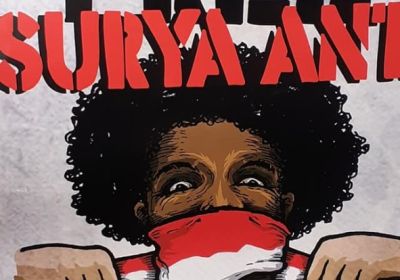
West Papuans and their supporters around the world traditionally raise the Morning Star flag — the symbol of an independent Papua — on December 1. This is an act of defiance, as flying the flag is outlawed by the occupying Indonesian government.
New Zealand-based West Papua solidarity activist and author Maire Leadbeater looks the new uprising in West Papua and the repression being carried out by Indonesian security forces while governments, including NZ’s, remain silent.
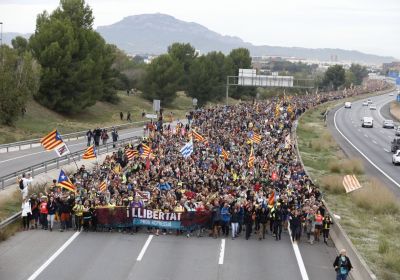
The final act in a week of protest in Catalonia, against the vindictive jail terms imposed on nine Catalan leaders by the Spanish Supreme Court on October 14, was a general strike and vast demonstration in the capital, Barcelona.
Infuriated by the verdict, frustrated with the strategy of the established independence movement (seen as “getting nowhere”), and most of all, outraged by police violence, young Catalans, who had never been on a barricade in their lives, decided that “direct action” was the only solution, writes Dick Nichols.

The gap between the 75%–80% of Catalans who uphold their country’s right to self-determination, and the Spanish elites and parts of Spanish society that do not want to know anything about it, was already very wide before October 14.
But on that day, when the Spanish Supreme Court condemned nine Catalan political and social movement leaders to a total of 99.5 years jail, it most likely became unbridgeable, writes Dick Nichols from Barcelona.