
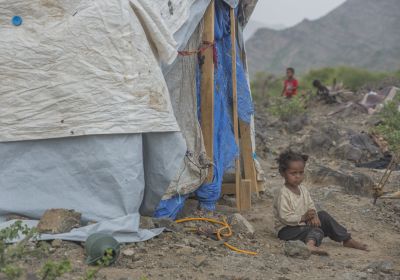
Just weeks after visiting the Middle East, United States President Joe Biden’s administration approved more than US$5 billion in missile sales to Saudi Arabia and the United Arab Emirates (UAE), reports Brett Wilkins.
Just weeks after visiting the Middle East, United States President Joe Biden’s administration approved more than US$5 billion in missile sales to Saudi Arabia and the United Arab Emirates (UAE), reports Brett Wilkins.

International trade unions are calling on Ukrainian President Volodymyr Zelensky to veto two anti-worker bills that were recently passed by parliament amid Russia’s invasion, reports Federico Fuentes.
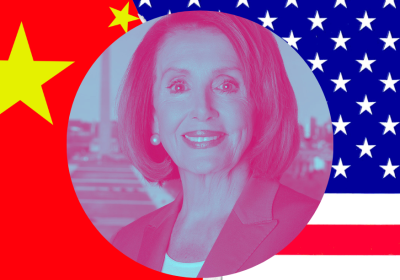
Nancy Pelosi's tour of Asia has deliberately and in a calculated manner heightened tensions in the region, writes William Briggs. It was designed to be provocative and has succeeded.
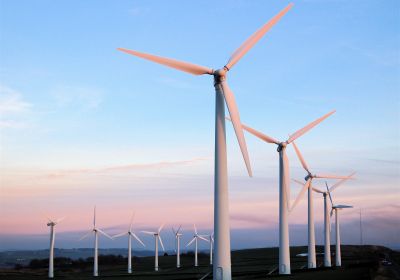
The billions of dollars wasted on military spending and tax cuts for the rich should be used to fund renewables, argues Peter Boyle.

Jiyan Tolhildan (Salwa Yusuf), a leader of the Syrian Defence Force (SDF) Counter Terrorism Units, and who led the fight against ISIS, was murdered by Turkey in a drone strike on July 22, reports Sarah Glynn.

For decades, the Maasai have been resisting displacement by mining, tourism and conservation, reports Hibist Kassa.

Boris Kagarlitsky discusses the domestic factors behind Vladimir Putin’s decision to invade Ukraine and the role of the left in anti-war organising.
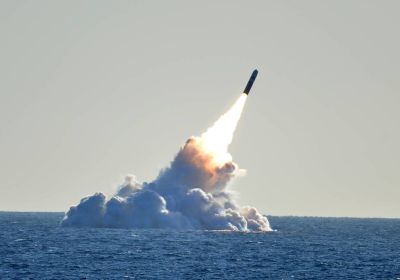
The ABC says China is making “outlandish” claims about Australia. But Tomahawk Cruise missiles on Australian vessels, nuclear-powered submarines and integration of NATO into the Indo-Pacific all point in one direction, argues William Briggs.
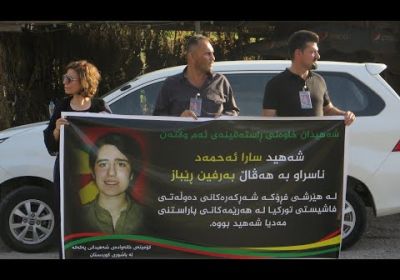
Australian cinematographer Jake Lloyd Jones talks to Peter Boyle about the ongoing “David and Goliath struggle” between the Kurds and the Turkish state from Bashur (South Kurdistan) in northern Iraq.

Rallies supporting the call from Rojava for the United Nations to impose a no-fly zone over north and east Syria were held across the world on July 23. Peter Boyle reports on one of the first, in Sydney.
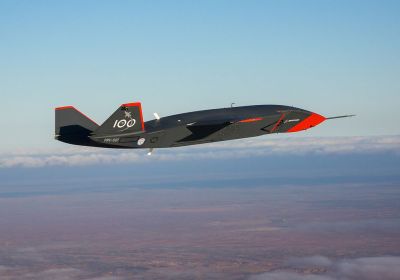
Conservative Australian think tanks, loaded with cash from United States’ sources and in furious agreement, are delighted with the AUKUS pact and its potential for local industries, argues Binoy Kampmark.
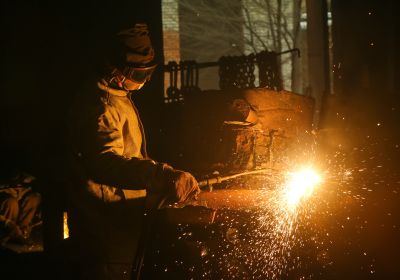
When Russia invaded Ukraine on February 24, social conflict inside the country was not put on hold: any illusion that its defence needs might produce a truce in the class struggle soon vanished, reports Dick Nichols.