
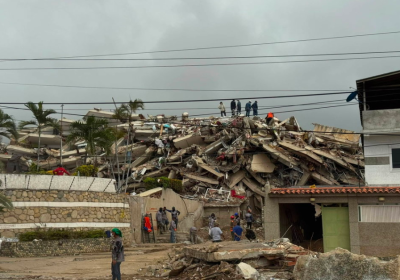
After the June earthquakes, United States and Israeli troops have arrived in Venezuela, but economic and political interests, not humanitarian recovery, appear to be driving their presence, writes Jessica Dos Santos Jardim.
After the June earthquakes, United States and Israeli troops have arrived in Venezuela, but economic and political interests, not humanitarian recovery, appear to be driving their presence, writes Jessica Dos Santos Jardim.
Clinical nutritionist Mohammed Hamad lives in Gaza with his family. Activist journalist Jude Alexander has been in regular contact with him throughout Israel’s genocidal war.

Isaac Nellist spoke with An Cú from the Welsh Underground Network — a Marxist group that campaigns for a Socialist Welsh Republic through community action — about the significance of the May 7 elections for the 96-seat Senedd Cymru (Welsh parliament), the rise of the far right and the developing Welsh nationalist movement.

Ana Cristina Carvalhaes is a founding activist of Brazil’s Socialism and Liberty Party. In this interview with Green Left’s Federico Fuentes, Carvalhaes explains US President Donald Trump’s aggressive neo-colonialist shift and the imperialist and sub-imperialist role played by some 'middle-sized economies'.

Ana Cristina Carvalhaes is a founding member of Brazil’s Socialism and Liberty Party. In this interview with Green Left’s Federico Fuentes, Carvalhaes argues for a non-dogmatic theory of imperialism that incorporates ecology.

Isaac Nellist spoke to An Cú from the Welsh Underground Network about its community action approach to campaigning for an independent, socialist Wales.

Ben Radford joined Green Left Radio to talk about the recent Colombian presidential election.

Less than a month after the United States and Iran signed a Memorandum of Understanding, supposed to provide a framework for a ceasefire, the US resumed its illegal war on Iran on July 10, reports Susan Price.
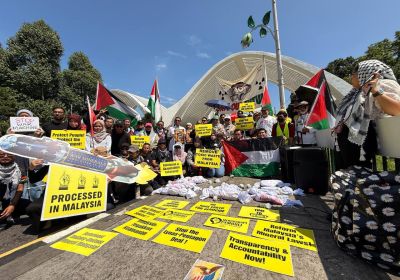
Ever since Western Australian-based company Lynas Rare Earths set up its rare earth refinery near the Malaysian city of Kuantan, it has faced strong community opposition based on well-founded concerns about the plant’s radioactive waste. Peter Boyle reports.
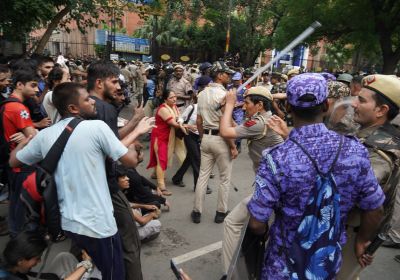
Tens of thousands of protesters were attacked by police using tear gas and batons in New Delhi as they marched to parliament to demand the resignation of the education minister. Isaac Nellist reports.
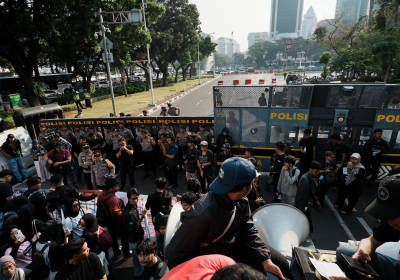
Peter Boyle speaks to Ignatius Mahendra Kusumawardhana from Perserikatan Sosialis (Socialist Union, PS), a left group in Indonesia, about the latest round of youth-led protests that kicked off in June in Jakarta.
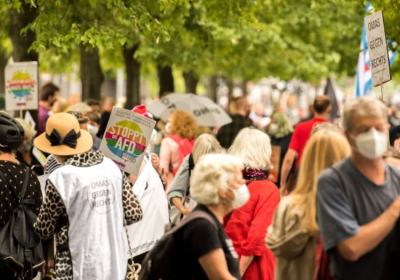
In response to the rise of the far-right, German Chancellor Friedrich Merz’s ruling coalition plans to unleash more neoliberal attacks on workers. Meanwhile, tens of thousands protested outside the far-right Alternative for Germany's national congress on July 4, facing police violence, reports Mary Merkenich.