

University of Melbourne staff voted overwhelmingly to reject a proposed change to their enterprise agreement, writes Susan Price.
University of Melbourne staff voted overwhelmingly to reject a proposed change to their enterprise agreement, writes Susan Price.
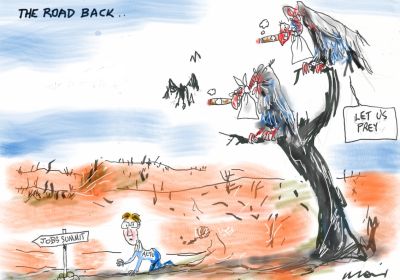
PM Scott Morrison wants unions and employers “to put down their weapons”, claiming this is the way jobs will be created. However, history shows otherwise, writes Mary Merkenich.
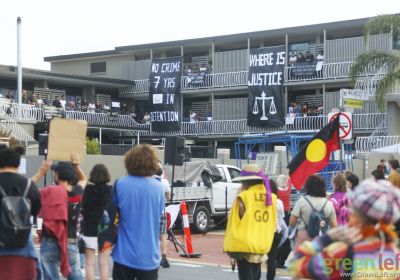
Two days after a powerful and emotional refugee rights rally outside the Kangaroo Point detention centre, police moved in to break up a protest camp on June 15, reports Alex Bainbridge.
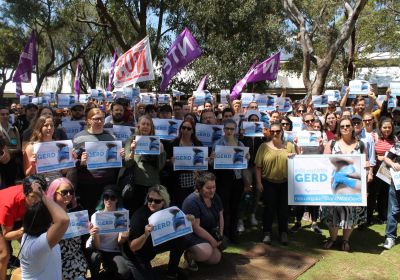
In a victory for academic freedom, Murdoch University announced on June 12 that it has permanently withdrawn all action against academic and whistleblower Associate Professor Gerd Schröder-Turk, report Alex Salmon and Mark Tan.
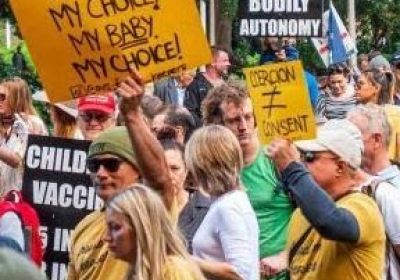
Well-funded reactionary forces are using the COVID-19 shutdown to spread their unscientific views about how to deal with the pandemic, the World Health Organisation, the medical profession and scientists, writes Coral Wynter.
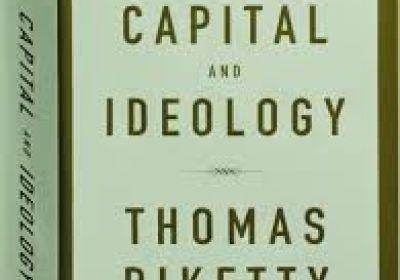
French economist Thomas Piketty became something of a global phenomenon when Capital in the Twenty-First Century topped The New York Times’ Best Seller list in 2014. He has now produced a follow-up work, Capital and Ideology, writes Neville Spencer.
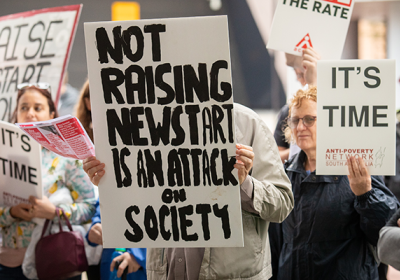
The devastating impacts of Australia’s economic crisis are clear for all to see, but many in the welfare sector believe the worst is yet to come, reports Fred Fuentes.
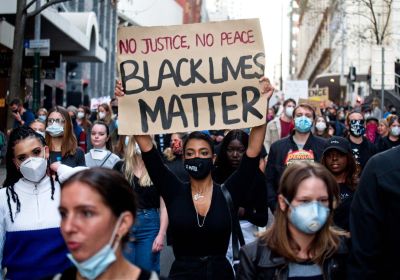
Sue Bolton argues only a sustained mass movement, led by First Nations people, will have a chance of dismantling the racist and repressive system which criminalises people on the basis of their skin colour.
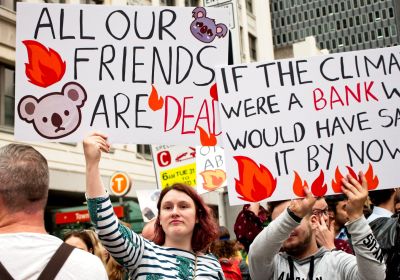
To the relief of communities devastated by the disastrous Black Summer bushfires, the royal commission has focussed on the connection between climate change and the fires that ravaged much of southern New South Wales and eastern Victoria, reports Jim McIlroy.
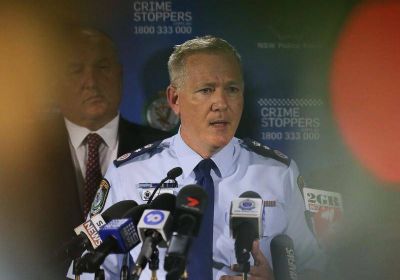
The Black Lives Matter-Stop Black Deaths in Custody movements are highlighting the racism of the police, as well as their repressive role in society. Peter Boyle argues that we don't need the police to keep us safe.
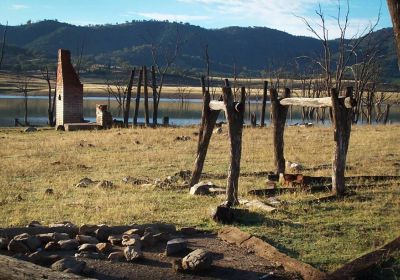
The New South Wales and federal governments say building new dams and raising the walls of others are the answer to the state’s water crisis. Tracey Carpenter outlines why this is not the case.
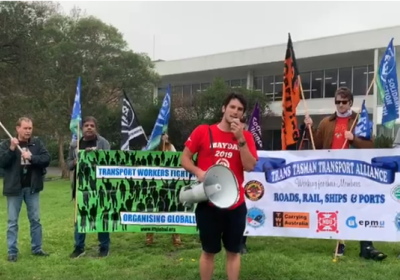
Sydney unionists joined a car convoy to express solidarity with Sonic Health workers in Britain fighting unfair dismissal for standing up for their rights under the COVID-19 lockdown, reports Jim McIlroy.