-
-
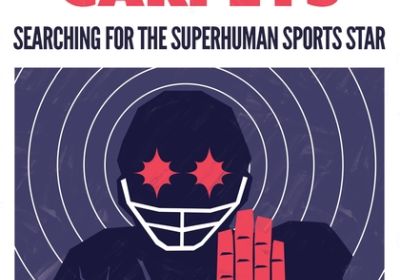
This book is effectively a sequel to Jon Ronson’s The Men Who Stare at Goats, which inspired an hilarious film of the same name. That book exposed the US military's serious experimentation with all sorts of weird and whacky, New Age, mind-altering techniques to produce better killers.
-
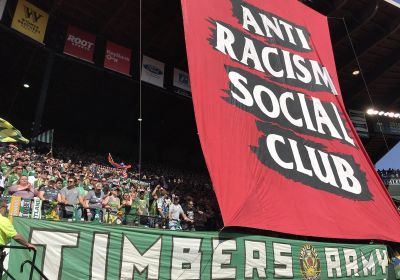
Supporters' groups across the United States have taken issue with a new rule which bans the anti-fascist Iron Front symbol on banners and flags at games because it is deemed “political”.
-
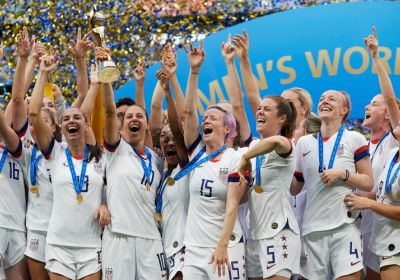
Jake Johnson takes a look at how the US women’s football (soccer) team was driven by their struggle for equal pay, and used their Cup win to escalate the fight.
-
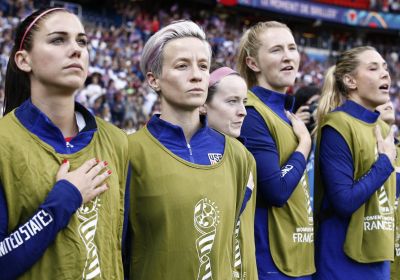
When the United States football (soccer) team beat France in the Women’s World Cup quarter final, it was two goals by US player Meagan Rapinoe that got them over the line. If the US go all the way to win the cup on July 7, Rapinoe will likely have played a decisive role. But the attacker had already made headlines, refusing to sing the national anthem and telling the media that, should the US win the cup, she will not “go to the fucking White House”. Lindsay Gibbs looks at the furore created by Rapinoe’s stances.
-
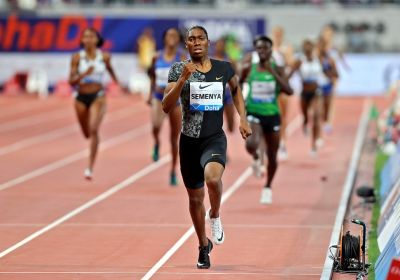
The highest decision-making body in the world of athletics has rendered a judgment that can only be described as both cruel and unusual, writes Dave Zirin.
-
-
-
-
-
-

Bahraini refugee Hakeem Al-Araibi has been held in detention in Thailand since November 27, facing the terrifying prospect of deportation to the country where he was tortured.
Sports
Sports