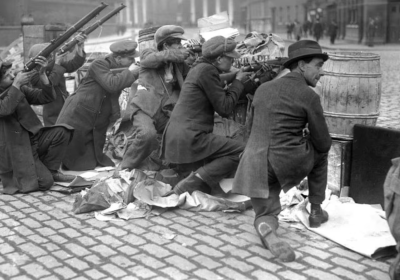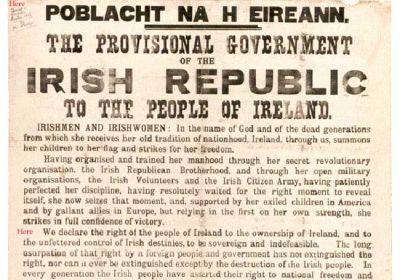
The 100th anniversary of Ireland’s Easter Rising against British rule was commemorated over the Easter weekend in Ireland and across the world. Although the rebellion failed, it spurred the Irish liberation struggle amid widespread anger at savage British repression.
In 1918, Sinn Fein swept elections in Ireland to British parliament, with Sinn Fein MPs refusing to take their seats and instead declaring independence. A war for independence ended in 1921 with a treaty that partitioned the island — provoking an Irish civil war.
Easter Rising
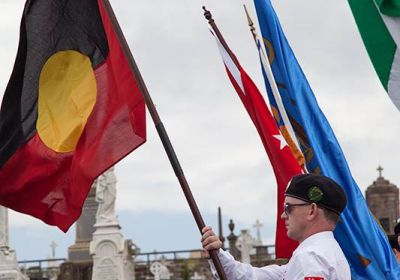
About 800 people gathered at the Irish Memorial at the Waverley Cemetery in Sydney's eastern suburbs on March 27 over two events to commemorate the centenary of Ireland’s 1916 Easter Rising against British rule.
The first commemoration was organised by the James Connolly Association (JCA) and the second by the Irish National Association (INA), which maintains the cemetery’s famous memorial to martyrs of Ireland’s freedom struggle.
The rebels held out against British forces for a week.
This Easter marks 100 years since Ireland's Easter Rising, when republicans launched an armed insurrection against British rule. Seizing Dublin's General Post Office, the rebels proclaimed an Irish republic based on the principles of freedom and equality.