-
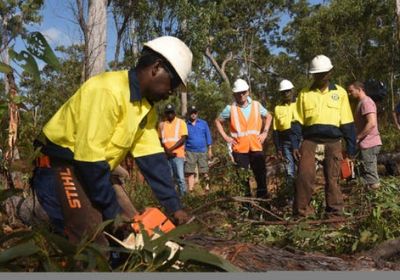
Earlier this month, Department of Employment figures about the government's remote Work for the Dole scheme proved what critics have known for some time: the policy is failing. In Arnhem Land, people are buying less food since tough Work for the Dole penalties were introduced. -
Portuguese politics is in limbo. It has been since elections last October failed to give any party an outright majority. The Socialist Party (PS) was eventually able to form a minority government after forming an agreement with forces to its left: the Left Bloc, the Portuguese Communist Party and the Greens. The good news is that this limbo, the thin ice on which this agreement is skating, also presents an opportunity for the left to engage in clear and clean politics with room for actual negotiation. -
Five months after the December 20 election in Spain failed to produce a government, the country is returning to the polls in the most polarised contest since the end of the Franco dictatorship in 1977.
-
A few months ago, when political commentators looked ahead to the coming year, there was a widespread prediction that Labour would suffer substantial losses in the May 5 local council elections. Would it be 200 seats lost? Perhaps a little less, perhaps even more? After all, these elections would be for seats previously contested in 2012, a mid-term peak for Ed Miliband. It was assumed that Labour's new left-wing, anti-austerity leader Jeremy Corbyn must be electorally unpopular. -
Could things get any worse for the proposed Transatlantic Trade and Investment Partnership (TTIP) deal between the United States and the European Union? On May 2, a hugely damaging leak of TTIP texts confirmed exactly what everyone had feared about the deal — with all its hugely pro-corporate provisions on display for everyone to see.
-
It has taken only nine months for the third memorandum between the near-bankrupt Greek state and its creditors — the “Quartet” of the European Union (EU), European Central Bank (ECB), International Monetary Fund (IMF) and European Stability Mechanism (ESM) — to lurch to the brink of crisis. That deal, which the Syriza-led government of Prime Minister Alexis Tsipras felt forced to swallow despite the Greek people rejecting an earlier version by over 60% in a referendum last July, will provide the country with €86 billion. About 90% of this will go to paying off debt. -
Despite a decisive victory on April 19, providing further confirmation of her likely nomination, in many respects Democratic presidential candidate Hillary Clinton emerged from the New York primary more damaged and her party more divided.
-
I live and work as a nurse in Fremantle and I'm the Socialist Alliance candidate for the seat of Fremantle in this year's federal election. The Socialist Alliance recognises that not only has corrupt, business-as-usual politics caused a deepening social and climate crisis, but that those entrenched and greedy interests are unwilling and incapable of providing real solutions. Major system change is needed. There is a growing despondency amongst large sections of the community; real anger and frustration in the way things are going. And rightly so. -
“Thank you for these protests. We love you and our hearts are with you in this moment.” This message was sent from a refugee inside Northam Detention Centre in West Australia to activists who were protesting outside in 2014. Messages like this inspire many of us to get active and persist with campaigns to make the world more humane. A whole generation, to which I belong, has only known mandatory detention: it was introduced by “left” Labor immigration minister Gerry Hand in 1992. -
I am not sure if I fully understand recent political developments, but the message I am getting from the Malcolm Turnbull government is that we have to send babies to hellish prison camps or else the gay lobby will persecute Christian students. And we need a big increase in military spending or house prices will tragically collapse, or tragically rise, depending on which tragedy you wish to choose. Say what you will about the Turnbull government, it offers no shortages of tragedies. -
When veteran socialist Jeremy Corbyn was elected British Labour Party leader in September, many commentators in the corporate media and inside the Labour Party establishment warned his anti-austerity and anti-war positions would be a “disaster” for the party — rendering it “unelectable”. Assumed to have no chance at the start of the campaign, his staunch opposition to austerity measures impoverishing millions helped generate a tidal wave of enthusiasm. -
Hundreds of people rallied against the federal government’s proposed cuts to health care in #These Cuts are Killing Us rallies around Australia.