

Graham Matthews argues that while it is important to go beyond the for-profit NDIS system, it is nevertheless wrong to call for the flawed scheme to be nationalised.
Graham Matthews argues that while it is important to go beyond the for-profit NDIS system, it is nevertheless wrong to call for the flawed scheme to be nationalised.

Peter Boyle spoke to Graham Matthews, the Socialist Alliance spokesperson on disability rights, about the proposed cuts to the National Disability Insurance Scheme in the upcoming budget.

Graham Matthews joins the Green Left Show to discuss Labor’s planned cuts to the NDIS.

The Anthony Albanese government’s decision to savage the National Disability Insurance Scheme ranks high in the scale of betrayals by neoliberal Labor governments, argues Graham Matthews.

Lots of kites are being flown about how to make housing affordable in the lead-up to the May budget. Graham Matthews argues that Labor could raise the tax rate to the OECD average and immediately have an extra $140 billion for public housing.

Boffins, bosses and the ACTU will discuss making the economy more “productive” in the upcoming Economic Reform Roundtable, but their main aim will be to find ways to protect the wealth of those who already have it. Graham Matthews reports.
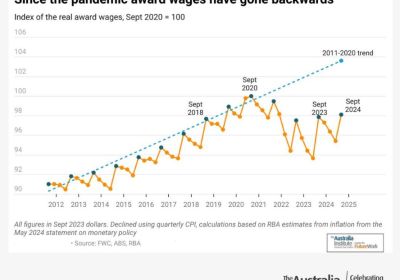
Capitalism has long ceased to provide for the majority, yet its institutions — government, the RBA and the corporate media — continue to try to tell us that there is no alternative. Graham Matthews argues that solidarity is key.

Pre-class Aboriginal society suggests that people with significant impediments were integrated into community life, participating and contributing to society. Graham Matthews looks at the relationship between people’s disability and the means of production.

A Labor bill, currently in parliament, looks like it wants to shift the cost of NDIS to the states and territories. Graham Matthews argues the debate over future NDIS funding is an argument among thieves.

The final report of the National Disability Insurance Scheme Review is difficult reading for many people with disability because its central aim is cost-cutting, argues Graham Matthews.

Members of the United Services Union in NSW are calling on their executive to support the calls for a ceasefire in Palestine, as the Australian Council of Trade Unions and many others have. Graham Matthews reports.

Graham Matthews reviews Dancing with Empty Prams, the second book published by Tasmanian-based poet and ecosocialist Susan Austin.