

There is a growing push in Washington to designate the Polisario Front — the independence movement at the forefront of the struggle to end Morocco’s illegal occupation of Western Sahara — as a terrorist organisation, reports Ron Guy.
There is a growing push in Washington to designate the Polisario Front — the independence movement at the forefront of the struggle to end Morocco’s illegal occupation of Western Sahara — as a terrorist organisation, reports Ron Guy.

Known as the last colony of Africa, Western Sahara is the largest country on the United Nations’ decolonisation list waiting for a referendum of self-determination. Australia-Western Sahara solidarity activist Ron Guy spoke with Ambassador Malainin Lakhal, deputy permanent representative of the Sahrawi Republic to Ethiopia and the African Union.
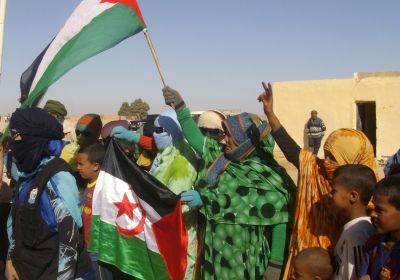
Morocco invaded and occupied Western Sahara 50 years ago this month. Australian Western Sahara solidarity activist Ron Guy discusses these events and the role of WikiLeaks in revealing the truth behind them, with researcher and human rights activist Isabel Lourenço.

Polisario Front’s Australian representative Kamal Fadel has urged Fortescue not to undermine United Nations decolonisation efforts by making a deal with the occupation government in Western Sahara. Ron Guy reports.
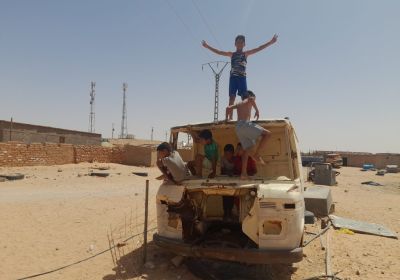
Marc B Sanganee visited a refugee camp in Western Sahara — home to the Sahrawi people and administered by the Polisario, which is fighting to liberate their homeland from Morocco.

The people of Western Sahara — known as Africa's last colony — marked the 50th anniversary of the founding of their liberation organisation, the Polisario Front, on May 10, 1973, writes Ron Guy.
Australian fertiliser company Incitec Pivot has confirmed that it is expecting delivery of phosphate rock exported by Morocco from occupied Western Sahara, reports Kerry Smith.

The Spanish state has announced it will accept the incorporation of Wester Sahara into the Moroccan state as an “autonomous province”, betraying the right to self-determination of the Sahawari people, reports Dick Nichols.

Thanks to manoeuvring by the United States, the prospects for peace and self determination for Western Sahara have suffered a serious setback, writes Vijay Prashad.

Moroccan authorities have set in motion a wave of migration to the Spanish enclave of Ceuta to punish it for providing hospital care to leaders of the Polisario Front, writes Dick Nichols.

Morocco's occupation of Western Sahara has always been illegitimate. Responsibility for the resumption of war lies with the United Nations, argue the Socialist Alliance.
The Australia Western Sahara Association has expressed solidarity with the people of Western Sahara and condemned Morocco’s flagrant violation of the terms of the ceasefire.